US air traffic control enters the 21st century, starts to abandon floppy disks
The FAA will need to come up with more money to finish the wider overhaul, though
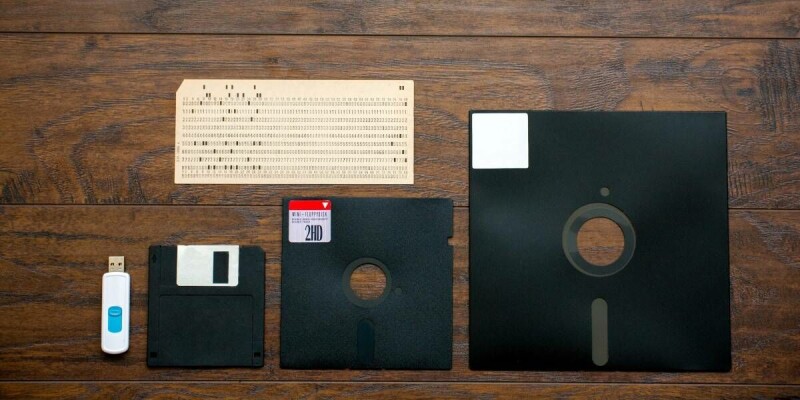
The Federal Aviation Administration still uses computers that require floppy disks. But those are finally on the way out within the next few years.
Yes, it’s still 2026, and yes, you read that right: The FAA – the agency responsible for overseeing aviation safety in the US – is finally getting rid of four systems dating back to the 1980s that remain in use at more than 400 facilities around the country, the agency announced on Thursday.
“Good news America: floppy disks are out, 21st century tech is in,” Transportation Secretary Sean Duffy said in the FAA’s announcement. Only a few decades late, Sean, but we’re sure the flying public appreciates it.
REG AD
The new system, known as Enterprise Information Display System (E-IDS), is designed to consolidate data from various systems into a common digital platform, allowing air traffic controllers to access operational information and alerts needed to manage flights.
REG AD
E-IDS is replacing four legacy systems: Information Display System 4, used to track weather and operational info; the Automated Surface Observing System Controller Equipment Information Display System, which also relays weather information; the NAS Information Display System, which relays information about airports and other airspace conditions; and the En Route Information Display System (ERIDS), which handles information about flights.
The FAA said E-IDS will improve how Pilot Reports and Notices to Airmen (NOTAMs) are collected and distributed. The agency has had its share of air traffic control SNAFUs, including one in 2023 that temporarily halted domestic flight departures nationwide after someone accidentally deleted a file from the NOTAM system.
The FAA said it has already lined up five facilities to receive E-IDS upgrades: airports in Atlantic City, Nashville, and Rochester, New York, along with data processing hubs in Atlanta and Salt Lake City. The agency plans to install the system at 435 sites by the end of 2028.
That 2028 deadline echoes the ambitious three-year timetable Duffy laid out last year for overhauling the nation's air traffic control system.
Aside from the four systems E-IDS will replace, the FAA has a lot of outdated technology, with the Government Accountability Office saying in 2024 that 51 of the agency’s 138 ATC systems were unsustainable due to lack of parts and funding to sustain or replace them.
Trump’s Big Beautiful Bill allocated $12.5 billion for the FAA’s overhaul efforts, but that’s far short of what’s actually needed. In December of last year, the FAA said that it needed an additional $20 billion to handle upgrade costs, and that appears to still be the case.
"To continue modernizing our air traffic control facility, Secretary Duffy and FAA Administrator Bedford are calling on Congress to pass the Modern Skies Act," an FAA spokesperson told The Register in an email. That bill is asking for $30 billion to get ATC modernization across the finish line, the spokesperson added.
"It will modernize our air traffic control system, replace crumbling aviation infrastructure, and build world-class airports across the country," they said. In other words, the FAA wants to get rid of floppy disks, but it's probably not accurate to say they're "out," as Duffy put it.
REG AD
The GAO said in September that the FAA was still well short of its financial needs, with an additional $10.2 billion needed for the second phase of upgrades, which has yet to receive a completion date.
As with so many government ambitions, budgets often get in the way, and this wider modernization effort still seems more ambitious on paper than the FAA may be able to deliver. ®
KioskNews shows a cleaned-up reading view extracted from the publisher’s page — the original always lives on their site, not ours.