Amid Nvidia Row, India Joins US Push To Secure AI Supply Chains From China: Report
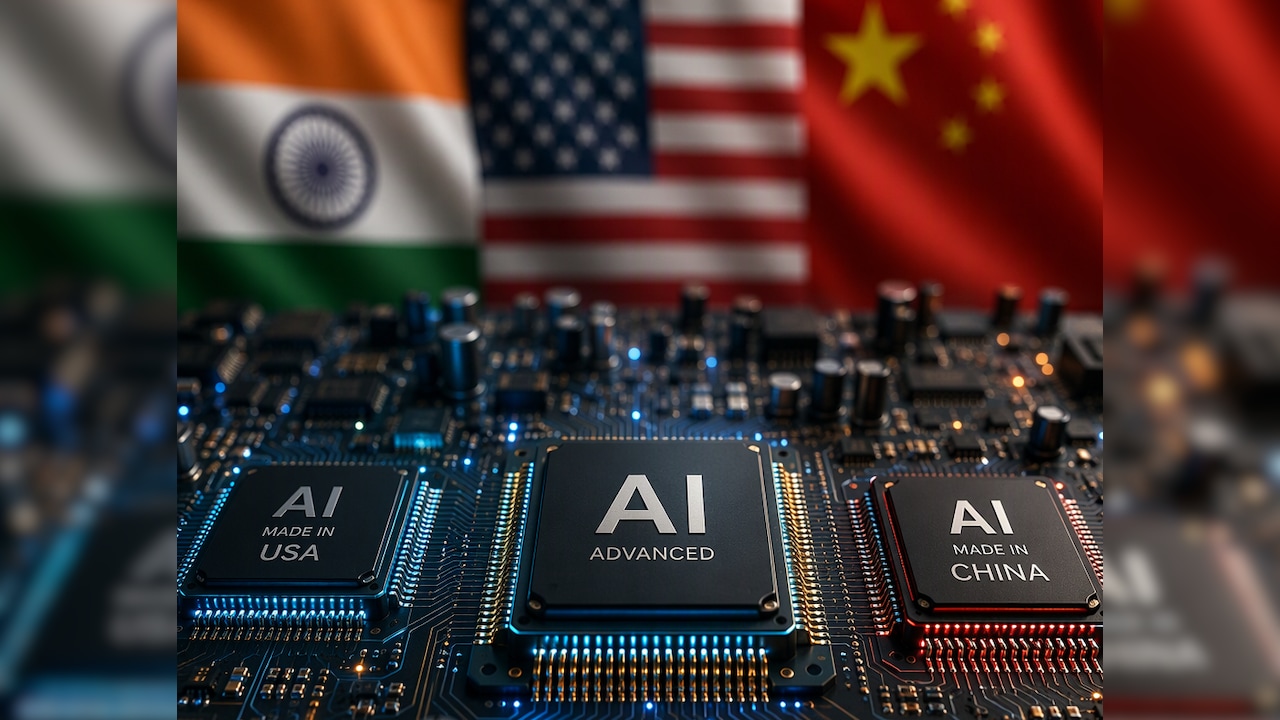
India has joined a US-led initiative to protect critical artificial intelligence (AI) technologies and supply chains from China, according to a report by The Financial Times.
The agreement, called the San Francisco Declaration on the Secure Foundations of Enduring Prosperity, has been signed by the US, Japan, Australia, Israel, the UK, South Korea, India, Qatar and the United Arab Emirates. Meanwhile, Germany, Sweden, the Netherlands and the European Commission are expected to join the accord next week.
The agreement comes amid growing concerns in Washington over China's access to advanced AI chips, particularly those developed by Nvidia. US President Donald Trump has reportedly ordered a crackdown on companies suspected of illegally transferring Nvidia's advanced chips to China.
Also Read | Layoffs Are Rising In Tech, But These Skills Are Helping People Unlock Better Pay
The timing of this accord becomes significant as the report comes days after Jensen Huang admitted to having an extramarital affair with an alleged Chinese spy (known as Alice Huang). Following this, Huang stepped down as Nvidia's CEO.
What Is Pax Silica And Why Does It Matter?
The declaration marks a new phase of Pax Silica, a US-led initiative launched in December 2025 to make AI supply chains more resilient and reduce dependence on Chinese-controlled chokepoints. The initiative covers the entire AI ecosystem, including semiconductors, critical minerals, advanced manufacturing, energy infrastructure and data centres.
The concern is that AI supply chains are spread across several countries. A chip may be designed in one country, manufactured using equipment from another and shipped through a third. This makes securing the technology difficult for any single government.
US Under-Secretary of State for Economic Affairs Jacob Helberg told The Financial Times that the initiative would establish a shared approach to protecting critical technologies. "What makes the San Francisco Declaration historic is that Pax Silica partners have agreed to treat the security of those technologies and the infrastructure behind them as a shared responsibility," Helberg said.
Signatories will establish working groups to identify vulnerabilities, exchange information and explore economic hubs that could attract investments in AI-related industries.
Why India's Participation Matters
For India, the agreement could strengthen its position in the global technology supply chain at a time when the country is seeking to expand semiconductor manufacturing, AI infrastructure and domestic technology capabilities.
India's participation also comes as New Delhi and Washington deepen cooperation on critical technologies. India formally joined Pax Silica in February 2026 during the India AI Impact Summit.
The partnership could provide opportunities for Indian companies to participate in trusted supply chains, attract investments and collaborate with global technology firms.
However, participation in the initiative does not automatically translate into domestic chip manufacturing or eliminate dependence on foreign technology. India will still need to develop manufacturing capabilities, secure access to critical minerals and build infrastructure to support its AI ambitions.
AI and public policy expert Sagar Sai told NDTV, "India's opportunity is not simply to become another consumer of AI technology. It is to build capabilities across the supply chain, from infrastructure and semiconductor manufacturing to applications and enterprise AI. Trusted international partnerships can accelerate this journey, but long-term resilience will depend on developing domestic capabilities and reducing critical dependencies."
The agreement also highlights a wider shift in the global AI race. Countries are increasingly treating access to chips, computing infrastructure, critical minerals and energy as strategic assets rather than merely commercial resources.
KioskNews shows a cleaned-up reading view extracted from the publisher’s page — the original always lives on their site, not ours.