Pop Mart reports 45 to 50% revenue decline as Labubu sales weaken across major markets
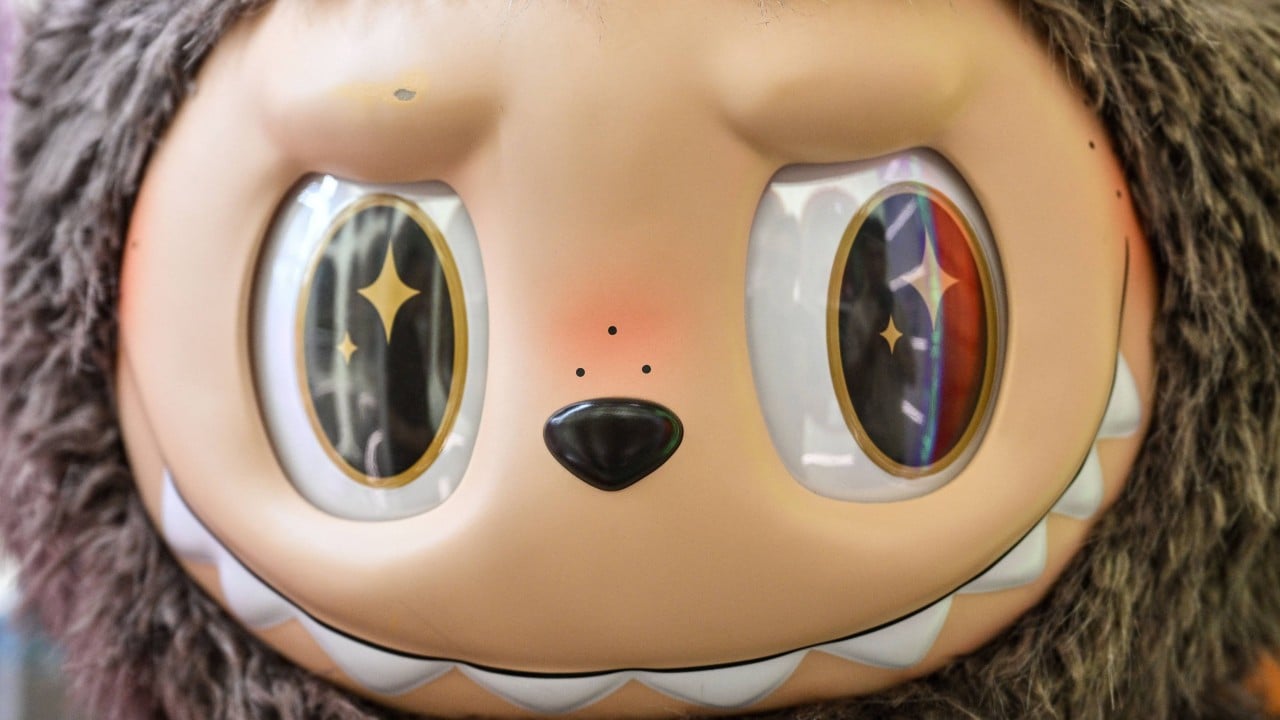
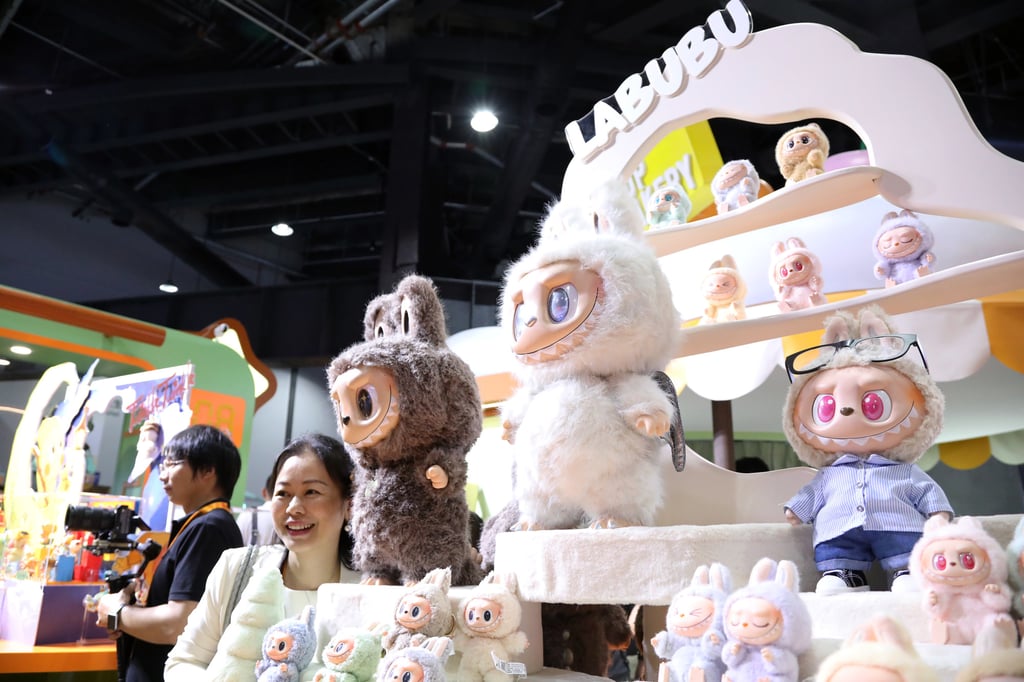
Pop Mart, the Chinese toymaker famous for Labubu collectible dolls, reported a 45 to 50 per cent year-on-year decline in third-quarter revenue, as sales weakened across its major markets, with overseas operations and online channels bearing the brunt of the slowdown.
Revenue in mainland China fell 25 to 30 per cent in the third quarter from a year earlier, while revenue in Asia-Pacific markets outside mainland China and Oceania dropped 65 to 70 per cent, according to a business update filed to the Hong Kong stock exchange late Tuesday.
Revenue in the Americas declined 70 to 75 per cent, while Europe and other regions recorded a fall of 50 to 55 per cent during the same period, the filing showed.
In mainland China, its revenue from offline channels for the third quarter fell by 5 to 10 per cent year on year, compared with a 45 to 50 per cent decline in online revenue, according to the company, underscoring a sharper weakness in digital sales.
The results came as investors reassessed the company’s growth outlook following last year’s global frenzy over its flagship Labubu line. Investors have also questioned the sustainability of demand for its collectible toys and its ability to develop new, popular characters.
The update followed a steep retreat in Pop Mart’s shares, which had fallen for six consecutive trading sessions through Thursday, losing more than 13 per cent over the period.
Shares of Pop Mart closed 0.8 per cent lower at HK$132 on Tuesday, ahead of the release of the business update. Its shares have fallen more than 60 per cent from their peak of HK$337.10 recorded in August 2025.
Swiss bank UBS on Monday lowered its target price for the toymaker to HK$181.30 from HK$203.10, while maintaining a “buy” rating.
Still, the sell-off has not deterred famous investors such as Duan Yongping, who has built a substantial stake in the company. Duan, often dubbed “China’s Warren Buffett”, said last week that he would probably buy more shares, but would not own more than 10 per cent of the company.
“I should buy some more, but not more than 10 per cent of the company, otherwise the company would have a problem with that,” he said in a post on October 21 on the online Chinese investor community Xueqiu.
KioskNews shows a cleaned-up reading view extracted from the publisher’s page — the original always lives on their site, not ours.