NCD burden rising as Ghana struggles with prevention, awareness and long-term care – Health Expert
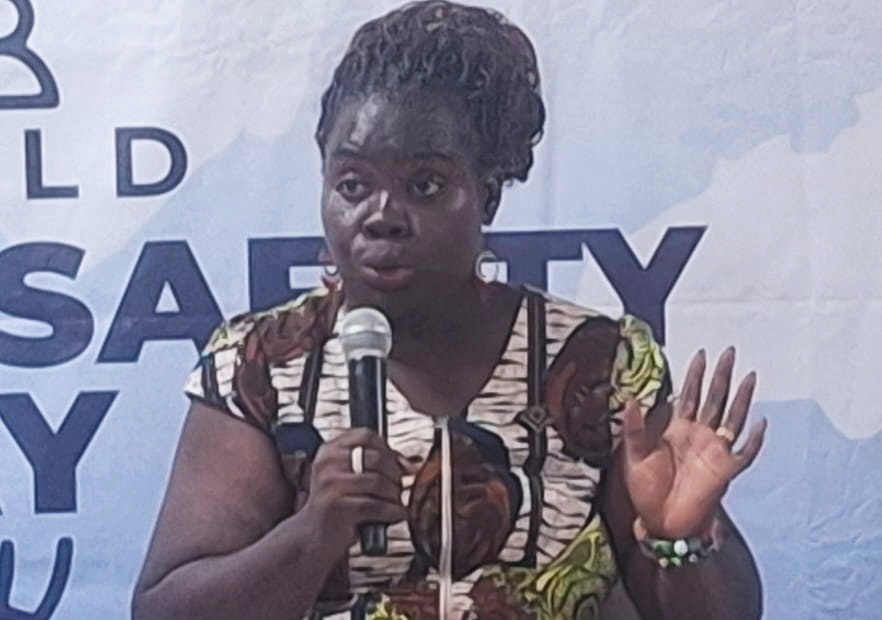
Dr Efua Commeh, Municipal Director of Health at La Nkwantanang-Madina in the Greater Accra region
Ghana is facing a growing burden of non-communicable diseases (NCDs), with low public awareness, unhealthy lifestyles and challenges in long-term disease management complicating efforts to provide safe care, according to Dr Efua Commeh, Municipal Director of Health at La Nkwantanang-Madina in the Greater Accra region.
She said although infectious diseases remained prevalent, chronic conditions appeared to be increasingly overtaking them, requiring a stronger response from the health system and greater public awareness of NCD risk factors.
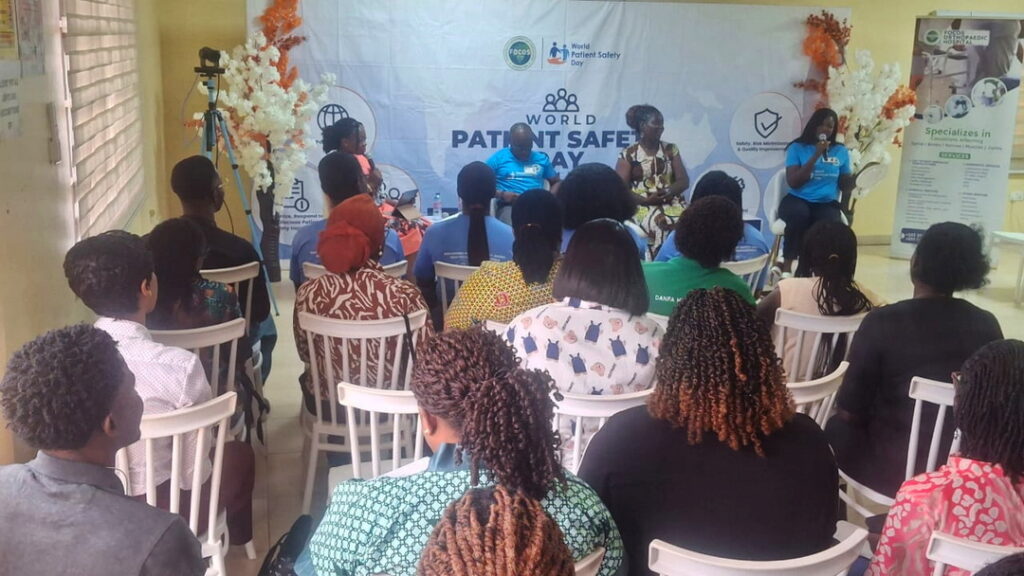
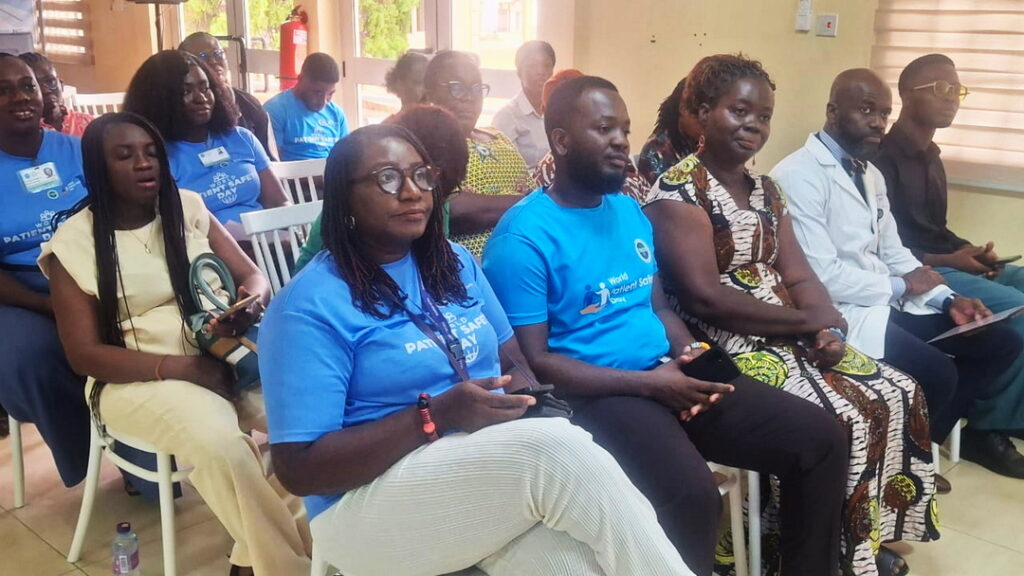
Dr Commeh was speaking during a panel discussion held as part of the 2026 World Patient Safety Day celebrations on the theme “Safe Care for Non-Communicable Diseases (NCDs).”
She said unhealthy diets and physical inactivity were among the modifiable risk factors contributing to the NCD burden.
According to her, changes in lifestyles had reduced the amount of physical activity incorporated naturally into people's daily routines, while access to fast food had increased.
“We need to be conscious of ensuring that we can incorporate physical activity into our lifestyle,” she said.
Hypertension largely undetected
Dr Commeh cited hypertension as a particular concern, saying available data indicated that 21.7 per cent of adults aged 18 to 69 in Ghana were hypertensive.
What is worse, she said less than half of people with hypertension were aware that they had the condition, leaving many undiagnosed until they developed complications.
“One out of every five Ghanaians is hypertensive,” she said, stressing that the condition could remain unnoticed because blood pressure could rise without obvious symptoms.
She said diabetes and cancer also contributed significantly to the country's NCD burden.
Dr Commeh cited breast cancer figures for 2022, when more than 5,000 new cases were recorded, with more than 2,000 deaths. She also cited cervical cancer, for which about 3,026 cases were recorded, with more than 1,000 deaths.
She attributed some of the high cancer mortality to late presentation and limited screening, which meant that some conditions were not detected early.
Dr Commeh said the long-term nature of NCD treatment also presented challenges for patients and healthcare providers.
Unlike some infectious diseases that may require treatment for a relatively short period, patients with conditions such as hypertension and diabetes may have to take medication and manage their conditions for many years.
She said the financial burden of medicines, combined with the demands of lifelong treatment, could affect patients' adherence to treatment.
She also cautioned against the use of alternative treatments promoted as cures for conditions that healthcare professionals describe as requiring long-term management.
According to her, some patients turn to alternative medicine partly because of the way NCD treatment is communicated to them and their desire for a cure.
Dr Commeh counseled that healthcare workers consquently needed to communicate with patients in language they understood and explain their conditions, medicines, possible side effects and how such effects could be managed.
She also urged health workers to consider patients' individual circumstances when making recommendations, particularly regarding diet.
“Somebody's home is different from another person's,” she said, adding that dietary recommendations should take into account what patients can access and afford.
Patients need greater knowledge
Dr Commeh said patients should be better informed about their conditions and involved in managing their own health.
She noted that while some patients became highly knowledgeable about their conditions after diagnosis, others had little understanding of the medicines they were taking.
She said healthcare providers had a responsibility to ensure that patients understood what their medicines were for and how they should be taken.
“On one side, I'll put the blame back on us, in that once we are prescribing, we should be able to engage the client in a language that they understand, on terms that they appreciate,” she said.
She also called for greater emphasis on self-care, particularly for people living with chronic conditions.
According to her, the health system could not provide direct care to patients throughout their lives, making it necessary to equip patients with the knowledge and skills to manage aspects of their conditions at home.
Dr Commeh said Ghana's health system had traditionally been structured to respond strongly to infectious diseases, but needed to adapt to the growing NCD burden.
She said the country's experience in responding to infectious diseases had demonstrated its capacity to mobilise resources and respond to major health threats, but NCDs required a different and sustained approach.
“With the non-communicable diseases, our response is not optimal. We are still learning,” she said, and called for continued training of healthcare professionals and greater incorporation of NCD management into the curricula of institutions training doctors, nurses and midwives.
She said health authorities were engaging nursing and midwifery training institutions to incorporate NCDs into their curricula.
Awareness and community engagement
Dr Commeh also called for greater public education on NCDs, saying awareness remained low despite the growing burden of the diseases.
She said increased awareness was particularly important because people who had not been diagnosed could still be at risk because of their environment, lifestyles and, in some cases, genetic factors.
She urged Ghanaians to undertake regular health screening to facilitate early detection.
She also highlighted the need for healthcare providers to consider NCDs when assessing children, noting that some chronic conditions and cancers could occur in childhood.
She said low awareness among both the public and healthcare providers could contribute to delayed diagnosis.
Dr Commeh further called for stronger engagement with communities and influential groups to address misconceptions about NCDs and treatment.
She said alternative medicine and religious messaging could influence patients' decisions and suggested that influential religious leaders could use their platforms to promote prevention and accurate health information.
Caution against self-medication
Dr Commeh also cautioned against sharing prescription medicines with other people, saying similar symptoms did not necessarily indicate the same underlying condition.
She used headaches as an example, noting that one person's headache could be caused by malaria while another's could be associated with uncontrolled hypertension.
“Sometimes even two people might be having the same condition, but I might have a kidney problem in addition to the BP I'm having. He might not,” she said.
She urged people experiencing unusual or persistent symptoms to seek professional medical assessment rather than self-medicating or using another person's prescription.
Salt intake and hypertension
Dr Commeh also drew attention to the prevalence of hypertension in some coastal fishing communities, saying further research was needed to establish the reasons for the trend.
She said dietary patterns in some coastal communities involved high consumption of salty foods, including traditionally preserved fish products.
According to her, this could be contributing to high blood pressure, although she stressed that additional studies were needed to establish the relationship.
She said some people in fishing communities had been found with blood pressure readings as high as 180/100 mmHg, and emphasised that more research was needed to understand the factors contributing to hypertension in these communities and to guide appropriate interventions.
DISCLAIMER: The Views, Comments, Opinions, Contributions and Statements made by Readers and Contributors on this platform do not necessarily represent the views or policy of Multimedia Group Limited.
Tags:
DISCLAIMER: The Views, Comments, Opinions, Contributions and Statements made by Readers and Contributors on this platform do not necessarily represent the views or policy of Multimedia Group Limited.
KioskNews shows a cleaned-up reading view extracted from the publisher’s page — the original always lives on their site, not ours.