181 acres protected across Maryland, Delaware after 15 years of family talks
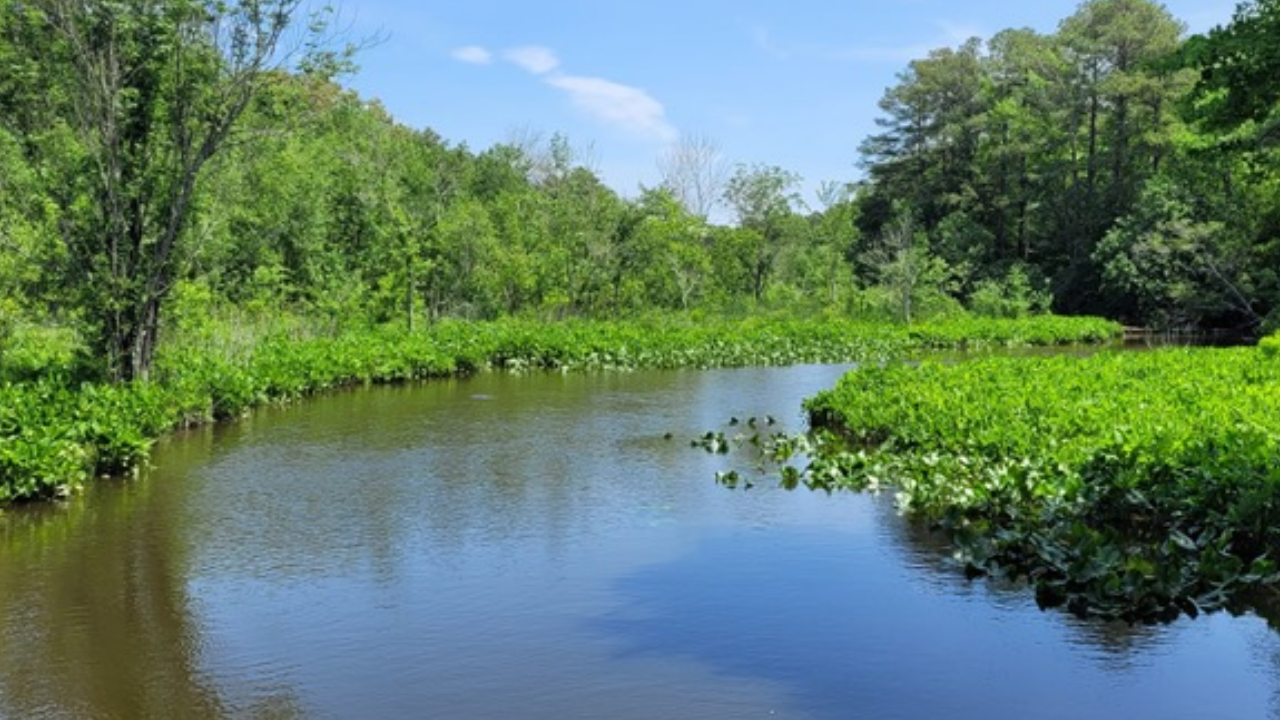
A conservation effort spanning more than 15 years has secured 181 acres of forests, wetlands and waterways along the Nanticoke River and Wright Creek, preserving ecologically significant land across Maryland and Delaware.
The project, announced by the Nanticoke River Watershed Conservancy and Chesapeake Conservancy, brings together multiple generations of the Porter family, state conservation agencies and federal partners to protect the landscape from future development. The newly established Henry F. Porter Preserve in Delaware and the adjacent Porter Tract in Maryland form part of a wider effort to safeguard the Chesapeake Bay watershed, where forests, tidal creeks and wetlands support wildlife and help maintain the health of connected waterways.
A family inheritance becomes a conservation priority
The project began more than 15 years ago, when the Nanticoke River Watershed Conservancy started working with eight descendants of Henry F. Porter to secure the future of their inherited property. Deeds and successive inheritances dating back to the mid-19th century complicated negotiations, requiring years of coordination among family members and conservation organisations.Porter purchased the land in 1950. To honour his legacy, the protected areas have been named after him, with the Delaware property becoming the Henry F.
Porter Preserve and the Maryland parcel joining the state’s Chesapeake Forest Lands system.Chesapeake Conservancy subsequently helped advance the acquisition, purchasing the land temporarily while arrangements were made to transfer it into long-term conservation ownership. The initial acquisition comprised approximately 138 acres in Delaware and 39 acres in Maryland. The family later worked with the conservation organisations to protect an additional four wooded acres along Wright Creek.
How the 181 acres will be protected
The conservation arrangement divides the land between the two states, with different agencies overseeing its long-term protection. In Maryland, the 39-acre tract was acquired by the Maryland Department of Natural Resources using Program Open Space funding. It has been incorporated into Chesapeake Forest Lands, a network spanning more than 75,000 acres across six Maryland counties. The property will be managed as a sustainable forest and is leased to a private hunting club.In Delaware, the 142-acre preserve has been transferred to the Nanticoke River Watershed Conservancy. A conservation easement held jointly by the US Navy and the Delaware Department of Natural Resources and Environmental Control restricts future development to protect the land’s conservation value.Funding for the Delaware easement came through the state’s Open Space Program and the Department of Defense’s Readiness and Environmental Protection Integration (REPI) programme.
REPI supports partnerships that protect land around military installations and testing areas, helping prevent incompatible development while preserving environmental resources. The preserve borders other protected areas, including the Nanticoke Wildlife Area and Pete Gum Preserve near Seaford, Delaware.
Plans also include improving existing logging trails to make the property more accessible for hiking and nature study.
A wider impact on the Chesapeake Bay watershed
Beyond protecting the property itself, the agreement strengthens a network of conserved landscapes in a region facing increasing development pressure. The Nanticoke watershed extends across roughly 725,000 acres and contains extensive tidal wetlands, forests and habitats for migratory birds and other wildlife.Local reporting by WBOC highlighted the project’s importance for water quality, particularly because forests and wetlands help limit sediment entering waterways.
That matters for the wider Chesapeake Bay ecosystem, where changes in land use can affect aquatic habitats and the species that depend on them. The Nanticoke also supports important fish populations, including Atlantic sturgeon in its connected waterways.The project is also significant for its cross-border approach. Conservation officials have identified the need to protect connected habitats rather than isolated parcels, allowing wildlife to move through larger stretches of natural land while helping maintain ecological resilience.
Chesapeake Conservancy has helped protect 26 properties covering 3,466 acres in the Nanticoke watershed with support from Mt.
Cuba Center. The organisation has also identified more than 1,000 additional acres in the Mid-Atlantic Flyway that could offer substantial conservation benefits if protected.The Henry F. Porter Preserve represents a long-term investment in that broader effort, combining family stewardship, public funding and conservation partnerships to keep a landscape of forests and wetlands intact for future generations.As officials consider further opportunities to connect protected areas, the project offers an example of how sustained negotiations and cooperation between neighbouring states can deliver lasting environmental benefits.
KioskNews shows a cleaned-up reading view extracted from the publisher’s page — the original always lives on their site, not ours.