Brazil’s Lula hails ‘bold’ Chinese investors as rival pitches rare earths to Trump
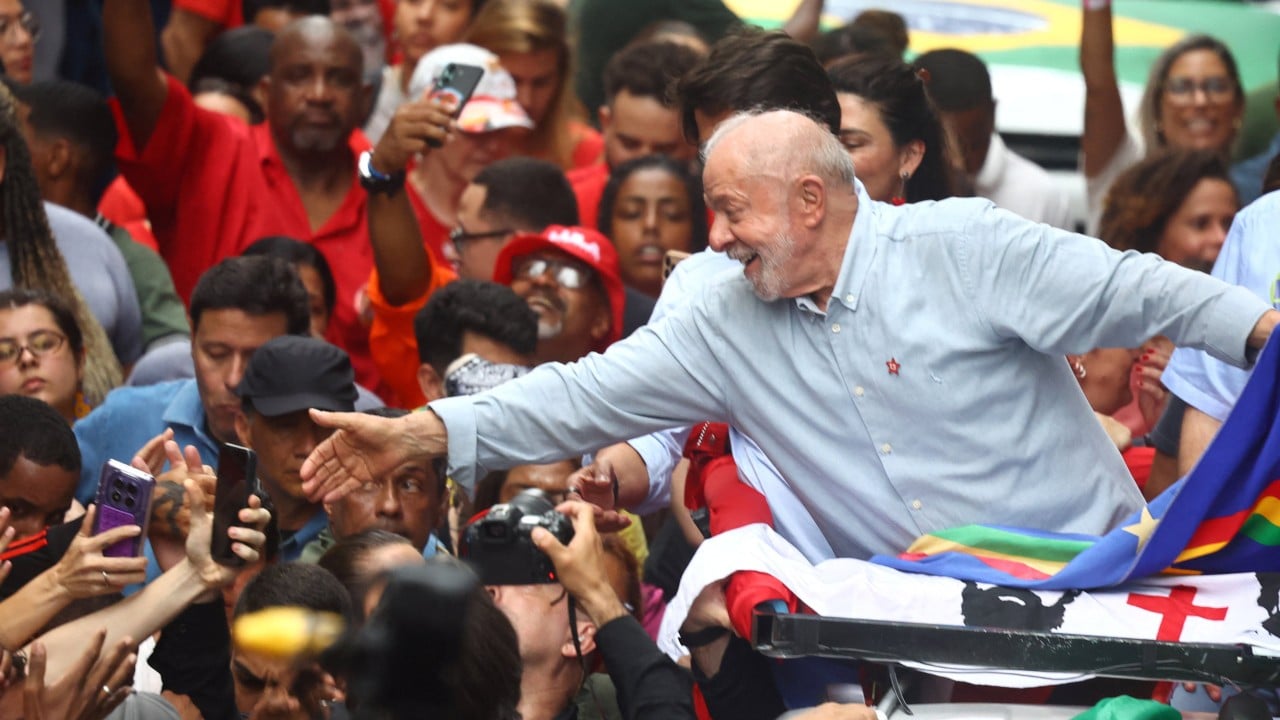
Brazilian President Luiz Inacio Lula da Silva named China as a possible partner in his critical minerals plans, three days before Sunday’s closely fought election.
Lula told Flow, one of the country’s most-watched podcasts, on Thursday evening that Brazil should stop shipping out raw ore. “We want to transform them here in Brazil,” he said of the minerals.
Asked whether China fit into his plans, Lula said it could be a partner “bringing technology to us”, as could the United States. “[Donald] Trump has to know that he takes care of the United States. I take care of Brazil,” he said.
Brazil holds the world’s second-largest rare earth reserves after China, and both Washington and Beijing are seeking supplies outside Chinese control.
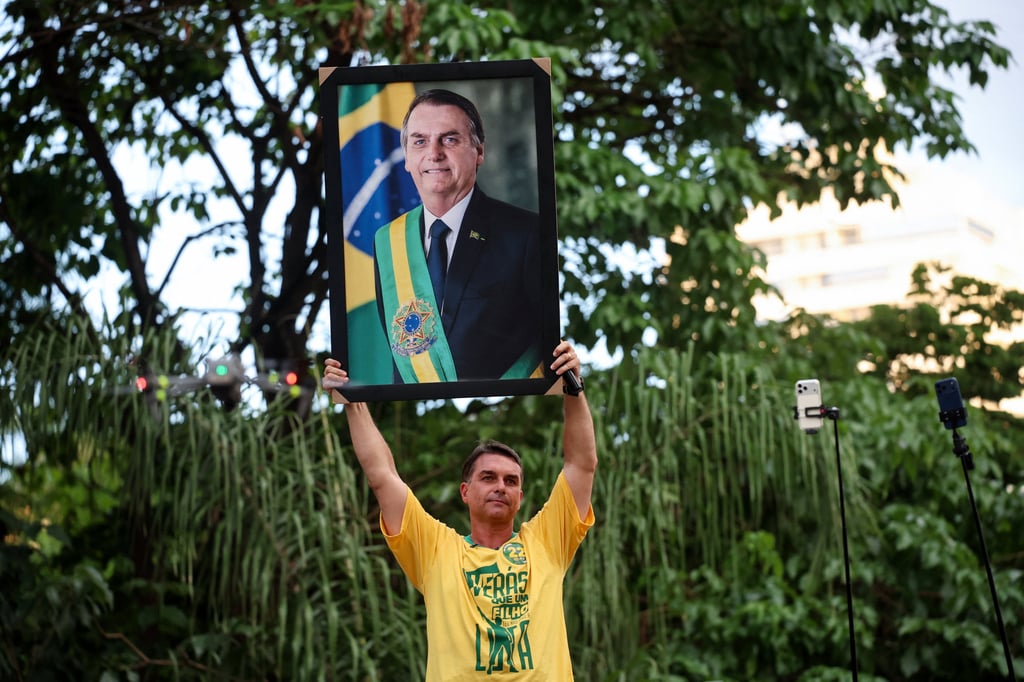
His main rival, Senator Flavio Bolsonaro, has courted the Trump administration and pitched Brazil as “the only real alternative to China for the free world” in rare earths.
08:58
What are rare earths, and why is China’s dominance facing global pushback
The senator met Trump at the White House in May and promised a “long-term strategic partnership” on rare earths, with “shared re-industrialisation” between the two countries.
Lula gave the podcast interview instead of attending TV Globo’s final televised debate, which the network cancelled less than an hour before airtime after a series of court rulings.
One granted a request from Lula’s coalition to bar Globo from showing an empty lectern bearing his name. Bolsonaro then withdrew, citing “censorship”.
A poll by Datafolha released on Thursday gave Lula 45 per cent of valid votes against 40 per cent for Bolsonaro, pointing to a run-off later in October.
Companies from both countries are already mining in Goias state, where Chinese miner CMOC bought Anglo American’s niobium operations in 2016 and became the world’s second-largest niobium producer.
In April, American company USA Rare Earth agreed to buy Serra Verde, which mines rare earths in the same state, for about US$2.8 billion.
In September, Lula signed a law creating a council attached to the presidency to steer the sector. It will review foreign stakes in strategic projects and grant tax credits for processing until 2034.
Asked about Chinese carmaker BYD, which builds electric vehicles in Bahia state, Lula placed Chinese capital alongside Western investment. “We have a lot of Chinese investment in Brazil. We have a lot of German investment; we have a lot of American investment,” he said.
“What happens is that the Chinese are bold,” he added. In his account, Europe turned to former communist states after the fall of the Berlin Wall, while the US, which “always has an enemy”, stayed focused on war.
“So the Chinese took the opportunity and came to invest in Latin America and Africa. And we are taking advantage of that,” he said.
Lula’s ambitions went beyond minerals to goods that China now dominates. He asked whether Brazil would go on “depending on the Chinese to make electric batteries” and said it would start making them, along with chips and phones.
Niobium leverage in talks with Washington
Lula also invoked minerals in the trade dispute with the US, which imposed a 25 per cent tariff on a range of Brazilian goods in July.
He said he had not yet used a reciprocity law allowing retaliation and pointed to US reliance on Brazilian niobium, a metal used in steel alloys and aerospace.
“Sixty per cent of his niobium is from here in Brazil,” he said of Trump.
Washington’s final tariff order, however, exempted niobium ores and ferroniobium, the alloy in which most niobium is traded along with rare earths.
Rather than “crying about Trump”, Lula said, Brazil had gone looking for other buyers. Official data show exports to the US fell 9.7 per cent in the first eight months, while shipments to China rose 15 per cent.
Lula also said he had spent an hour and a half on the phone with each of Xi Jinping, Vladimir Putin and Trump. He said he told them the permanent members of the UN Security Council were “not doing a damn thing to end wars”.
Brazilian and Kremlin readouts date the calls to July and August. Brasilia said critical minerals came up in the call with Xi, alongside a China-Mercosur trade deal.
KioskNews shows a cleaned-up reading view extracted from the publisher’s page — the original always lives on their site, not ours.