Oil down as traders weigh US sanctions threat against Iran
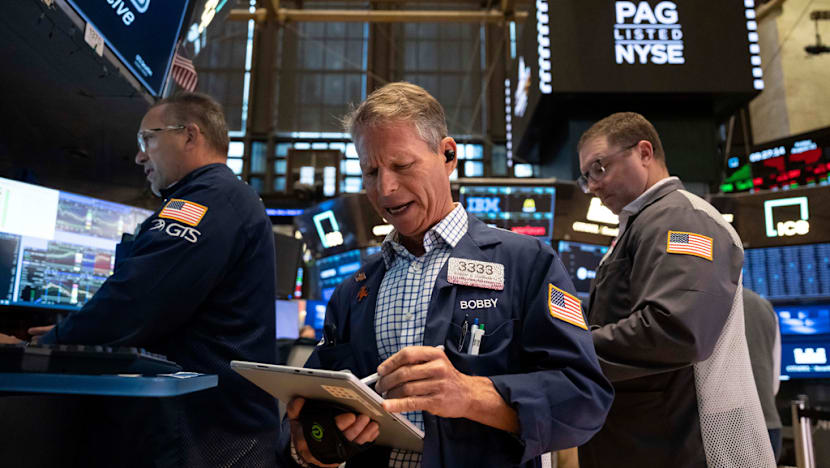
Brent crude fell below US$90 a barrel, while US stocks rose as markets reacted positively to softer-than-expected sanctions and positive talks between Pakistan and Iran.
26 Aug 2026 05:27AM
NEW YORK: Oil prices fell for a second day on Tuesday (Aug 25) as traders judged the risk of renewed military strikes on Iran to have receded, after the United States instead threatened broader economic sanctions.
Although Treasury Secretary Scott Bessent said the White House was declaring an "economic D-Day" against Iran and its trade partners, the US gave no timeline for its new sanctions and did not name any other countries it would punish.
The measures were softer than analysts had expected and were accompanied by renewed shuttle diplomacy, with key Pakistani mediators reporting positive talks with Iran's president on Monday.
Pakistan Interior Minister Mohsin Naqvi reported "a very positive and productive meeting," saying on X he believes the "momentum will help pave the way for further progress and lasting peace in the region."
The news helped calm oil markets, with prices falling more than three per cent and the international benchmark Brent back below US$90 a barrel, following weeks of rising prices caused by deadlock in talks to reopen the Strait of Hormuz.
Wall Street stocks finished solidly higher, with the broad-based S&P 500 advancing 0.3 per cent.
But FHN Financial's Chris Low warned that markets seemed to be shrugging off the US-Canada trade war, with Canada unveiling counter-tariffs on US goods ranging between 15 and 50 per cent.
"There may be a mistaken belief that because there were already tariffs in place, that it won't make much difference," Low said. "But that is a mistake because the tariffs imposed over the weekend are much broader and much bigger than the tariffs that were there before."
Major European markets closed higher, aside from Paris, which slipped back slightly in late trading.
"European stock markets rebounded early Tuesday with some relief evident from the lack of any material increase in the economic pressure on Iran," said Neil Wilson, investor strategist at Saxo UK.
Markets were also boosted by German data showing the country's second-quarter growth was stronger than previously estimated.
Investors are looking ahead to earnings Wednesday from artificial intelligence pace setter Nvidia.
The chipmaker's performance has become a key test of the AI boom, with concerns growing over whether the sector can match lofty expectations.
"The most actively traded stocks in the US right now are all the major AI names," said Kathleen Brooks, research director at XTB trading group.
She added that Nvidia's results "will be a key driver of price action, and potential volatility later this week".
Investors are also looking to the annual Jackson Hole gathering of central bankers, economists and finance chiefs beginning Thursday, where Federal Reserve boss Kevin Warsh is due to speak.
His comments will be parsed for clues about monetary policy, with US inflation still stubbornly high and after Bessent said the Treasury would buy back more of its own bonds to push down borrowing costs after the 30-year yield hit a 19-year high.
KioskNews shows a cleaned-up reading view extracted from the publisher’s page — the original always lives on their site, not ours.