Government sets 2027 deadline for local refining of 70% of small-scale gold
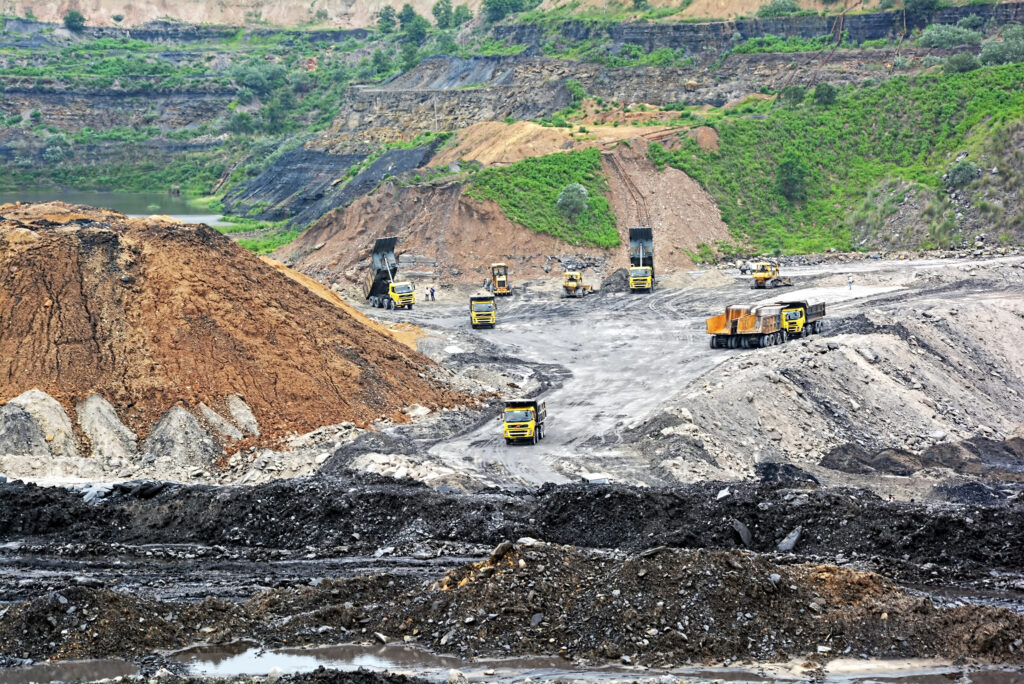
The government is targeting local refining of at least 70 per cent of Ghana’s artisanal and small-scale mining gold by December 2027, as part of efforts to retain more value from the country’s mineral resources.
Finance Minister Dr Cassiel Ato Forson announced the target while presenting the 2027 Budget Statement and Economic Policy to Parliament on Thursday, November 12.
He said government would expand local mineral processing and refining to reduce the export of raw resources and create opportunities for employment, technology transfer and industrial development.
“At least 70 per cent of artisanal and small-scale gold will be refined locally by December 2027,” he told Parliament.
Dr Forson said the government intended to achieve 100 per cent local refining by December 2028, when exports of raw artisanal and small-scale gold would be prohibited.
The initiative forms part of a broader US$1.5 billion investment under Pillar Four of the government's economic programme to develop an industrial minerals economy around manganese, bauxite, lithium and gold.
He said the investment would be assessed based on the value retained in Ghana, export earnings per tonne, skilled jobs created, participation of Ghanaian suppliers, technology transferred and environmental performance.
The government is also targeting local processing of at least 50 per cent of Ghana’s manganese and bauxite by the end of 2028.
“By the end of 2030, Ghana will process all its manganese and bauxite locally and prohibit raw manganese and bauxite exports,” Dr Forson said.
He added that bauxite processing would support the development of alumina refining and aluminium smelting.
For lithium, the government plans to begin with local refining before progressing into the production of battery-grade chemicals, components and cells.
Dr Forson also announced plans to establish a 24-hour critical minerals processing enclave in the Western Region.
The proposed enclave is expected to support the government's broader strategy of expanding domestic mineral processing and strengthening Ghana's position in the minerals value chain.
DISCLAIMER: The Views, Comments, Opinions, Contributions and Statements made by Readers and Contributors on this platform do not necessarily represent the views or policy of Multimedia Group Limited.
Tags:
DISCLAIMER: The Views, Comments, Opinions, Contributions and Statements made by Readers and Contributors on this platform do not necessarily represent the views or policy of Multimedia Group Limited.
KioskNews shows a cleaned-up reading view extracted from the publisher’s page — the original always lives on their site, not ours.