Autonomous airplane completes first cross-country flight
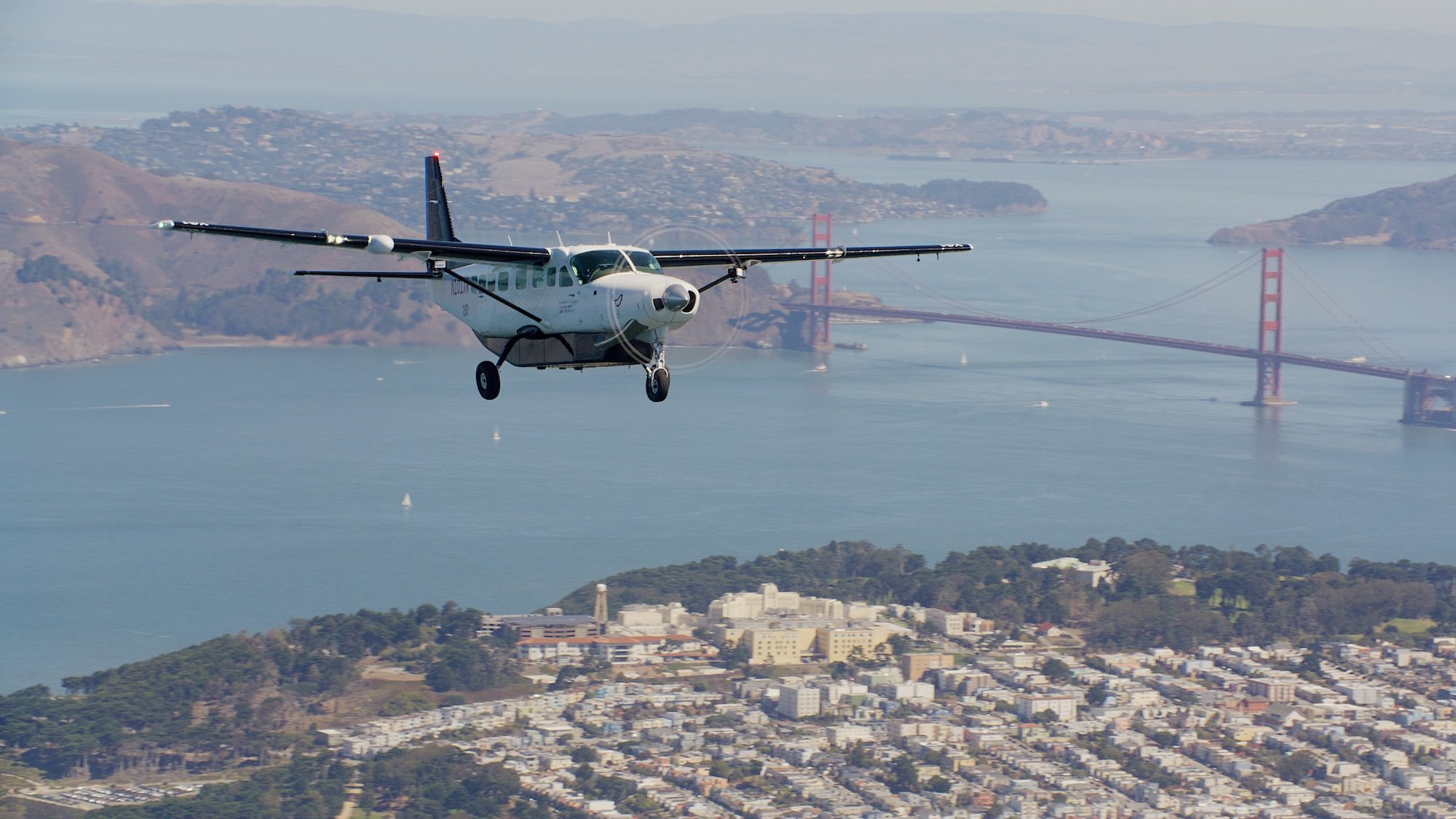
A single-engine prop Cessna Caravan has reportedly become the first airplane to autonomously complete a cross-continental flight across the United States. Overseen by the aeronautics company Joby, the retrofitted aircraft began its challenge in Concord, California, on September 7, ultimately traveling 3,199 miles with no assistance from its onboard human safety pilot. However, the plane didn’t only fly itself once airborne. Autonomous programming directed every stage of its multi-stop journey, including taxiing, takeoffs, and landings.
“Autonomy has an important role to play in the future of flight,” Joby founder and CEO JoeBen Bevirt said in a statement on September 18. Bevird added that the technology could soon help “connect remote communities, deliver critical supplies, respond faster to disasters, support military operations, and keep pilots out of harm’s way.”
The endeavor couldn’t always follow a preset course. Instead, the autonomous plane needed to navigate numerous common air travel challenges in real-time. These included piloting through one of the nation’s busiest regions above Phoenix, Arizona, as well as rerouting around thunderstorms and severe weather fronts. During its trip, the experimental plane also made demonstration stops at Alliance Airport in Fort Worth, Texas, and at South Carolina’s Shaw Air Force Base.
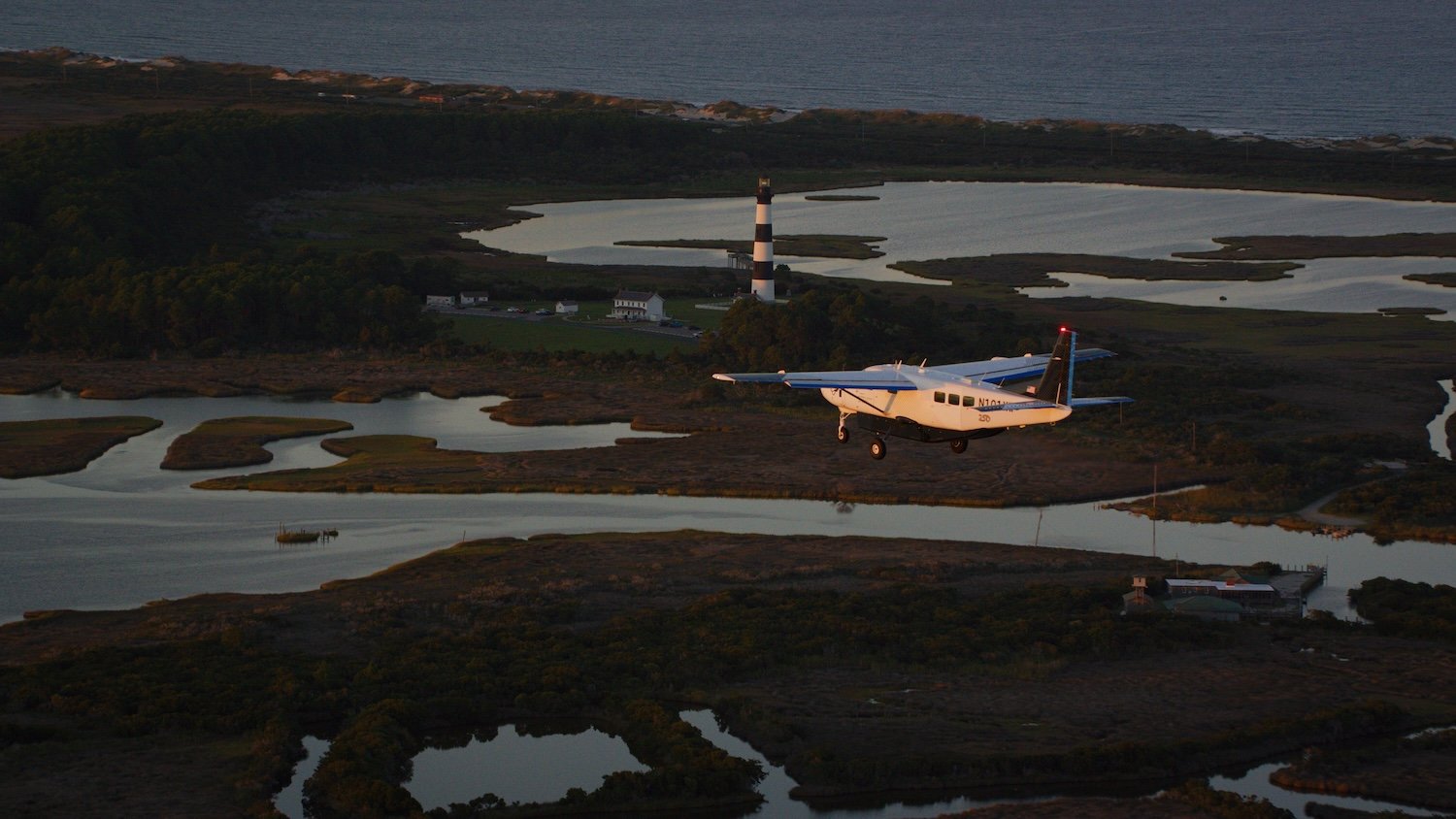
The Cessna completed the journey on September 14, but Joby tasked it with one more symbolic excursion. Soon after its cross-continental flight, the plane performed a low pass near the First Flight Monument in Kitty Hawk, North Carolina, not far from the site of Orville and Wilbur Wright’s historic aviation feat in 1903.
Next up is the return flight back to California. As it self-pilots back home to California, the plane will make additional stops at airports in Washington, D.C., Kentucky, Kansas, Oklahoma, Utah, and Oregon.
Multiple companies and governments around the world have also pursued autonomous aviation technology for years. In 2010, a collaboration between the Piasecki Aircraft Corporation and Carnegie Mellon University resulted in the first fully self-piloted helicopter. Today, many commercial aircraft also rely on an array of autopilot capabilities for specific tasks including landing and maintaining stability during flight.
KioskNews shows a cleaned-up reading view extracted from the publisher’s page — the original always lives on their site, not ours.