Ebola survivors can return to community after 21 days without symptoms, says Amoth
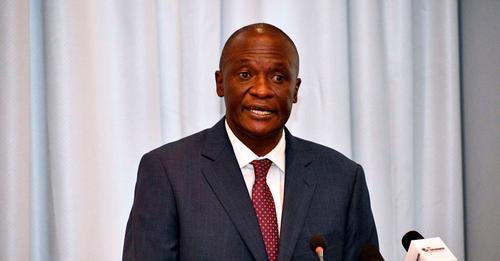
NAIROBI, Kenya, Oct 7 – Acting Director-General for Health Patrick Amoth has explained the measures taken to support Ebola survivors as they recover and reintegrate into their communities, stressing the need to treat them with dignity and avoid stigma.
Amoth said recovery from Ebola is not the end of the process, noting that survivors require appropriate support as they return to their families and communities.
He said the health authorities’ approach is to ensure survivors are respected, treated with dignity and supported to resume their lives after completing the required monitoring period.
“After beating the case of Ebola, there is reintegration into society, and what we preach is that you respect the person, treat them with dignity, and bring them back into the community,” Amoth said.
He explained that individuals who have recovered from Ebola are monitored for 21 days, with those who do not develop additional symptoms allowed to leave the monitoring process.
“After 21 days, if you don’t develop other symptoms, you are free to go,” he said.
The 21-day period is significant in Ebola response because health authorities closely monitor people for signs of illness and possible transmission.
Amoth also addressed follow-up measures for male Ebola survivors, particularly in relation to sexual transmission.
He said male survivors undergo regular semen testing as part of post-recovery monitoring.
“For male partners, what we normally do is that we test the semen every month until you have two consecutive negative semen tests,” Amoth said.
He explained that men who achieve two consecutive negative semen tests can then be advised that they may resume normal sexual relationships.
The follow-up is intended to provide additional safeguards because Ebola virus can persist in certain body fluids after a person has clinically recovered from the disease.
Amoth’s remarks come as Kenya strengthens its preparedness and response measures following confirmation of the country’s first imported Ebola case.
The Ministry of Health has intensified contact tracing, surveillance at points of entry and preparedness at designated health facilities to identify, isolate and manage suspected cases.
The National Ebola Virus Disease Taskforce is coordinating the response in collaboration with county governments, development partners and other technical and humanitarian partners.
Health authorities have also urged Kenyans to remain calm and vigilant and to rely on official information from the Ministry of Health.
The focus on survivor reintegration highlights the importance of addressing not only the medical aspects of Ebola but also the social challenges that may arise after recovery.
Amoth stressed that survivors should be welcomed back into their communities with dignity, rather than being isolated or stigmatised because they previously contracted the disease.
The Ministry continues to strengthen surveillance and preparedness as health officials monitor contacts linked to the imported case and work to prevent further transmission in Kenya.
KioskNews shows a cleaned-up reading view extracted from the publisher’s page — the original always lives on their site, not ours.