Nike Alphafly 4: 5 things (including the science) behind new marathon shoes
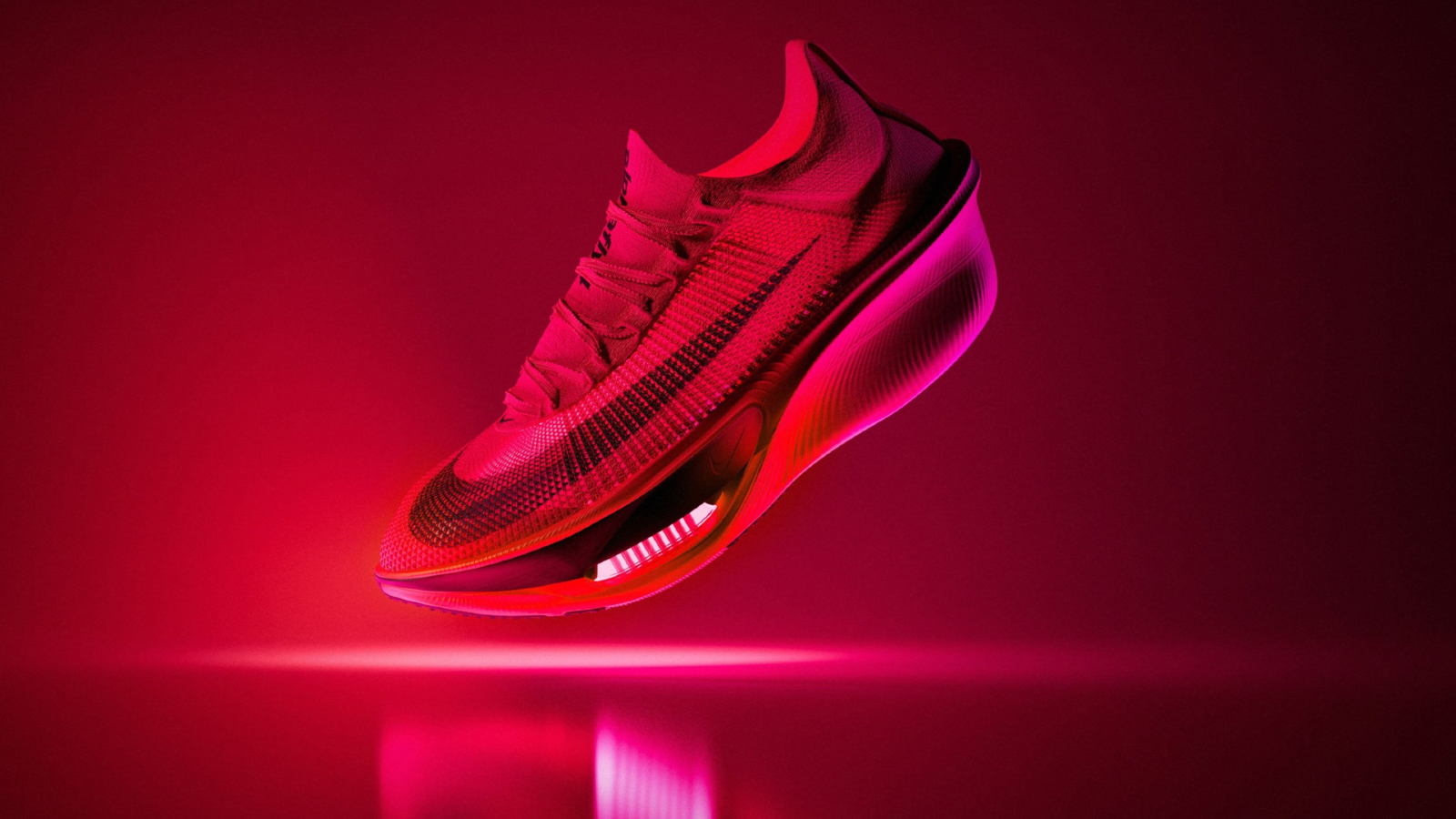
Nike has launched the Alphafly 4, the fourth version of its marathon racing shoe, nearly three years after the launch of its predecessor. The Alphafly 4 is the lightest and most responsive Alphafly released to date and is designed for runners and athletes. It is priced at $280 (approximately Rs 26,861) and is available in a limited run at Nike.com, with broader availability beginning October 29 at Nike.com and select retailers. While the Alphafly 4s are marketed as premier racing shoes, the science behind one of the fastest marathon shoes makes them even more interesting.
Here are five things to know about the Nike Alphafly 4.
Understanding the science behind the Alphafly 4
The idea behind the Alphafly is what makes the shoe different: simply put, it stores more of a runner’s energy and returns more of it with each stride, helping them run more efficiently. The Alphafly 4 boasts 10 percent greater energy return than the Alphafly 3, claims Nike. With each stride, runners store and recycle energy in their muscles and tendons, helping propel them forward. Nike uses the term “running economy,” which essentially measures how efficiently a runner uses that energy by tracking the amount of oxygen their muscles require during sustained effort.
Nike says it advanced biomechanics research and mechanical testing to predict and improve athlete performance in the Alphafly 4. This work is carried out by the Nike Sport Research Lab, which developed a mechanical model linking shoe properties to an athlete’s running economy. Biomechanics data quantify how midsole materials store and return energy in joules, helping predict potential performance gains. This model accelerates product development by allowing Nike to test mechanical properties before conducting on-foot trials. It also enables precise tuning of components such as foams, plates and airbags to optimise energy return and comfort.
Nike says biomechanical testing shows that the Alphafly 4 improves force loading, joint rotation smoothness and lateral stability. Force-plate measurements show reduced impact forces, contributing to a softer ride. Joint-motion analysis reveals smoother transitions through the foot-strike and toe-off phases. Medial-lateral stability is also improved, reducing instability, particularly during the later stages of a race when fatigue sets in.
Nike has designed the Alphafly 4 to help prevent sudden biomechanical breakdowns at critical late-race points, such as mile 20. The shoe also addresses acoustic stealth by reducing noise, helping athletes tactically pass competitors during the later stages of races.
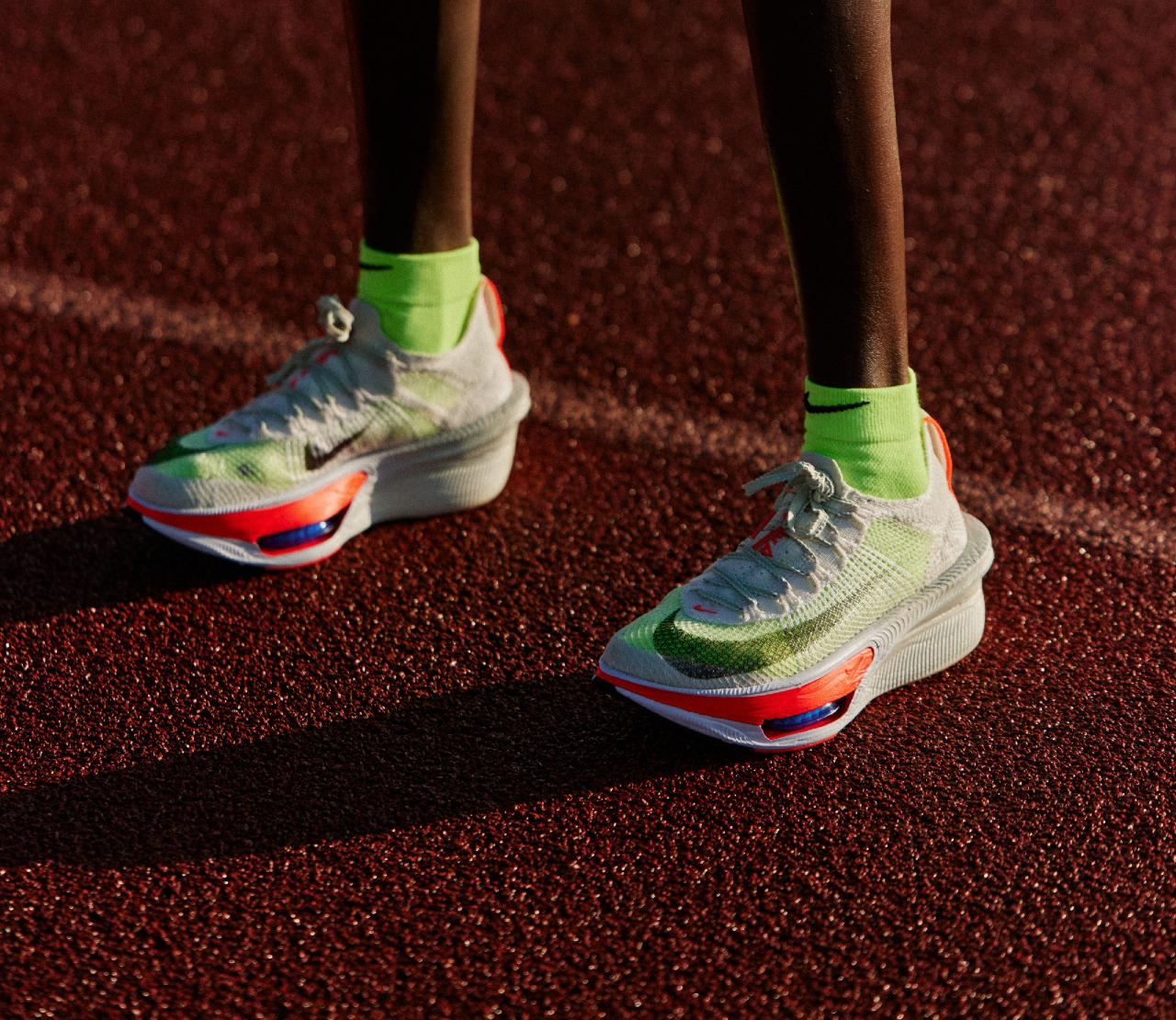 While the Alphafly 4’s design has remained largely unchanged, Nike promises a better experience for runners when tackling a race. (Image credit: Nike)
Improved cushioning and lightweight deisgn
The Alphafly 4 features Nike’s responsive ZoomX foam alongside the new ZoomX LT foam, with “LT” standing for “lightweight.” It is 17 per cent lighter and offers 8 per cent more energy return than regular ZoomX. The ZoomX LT foam is layered above and below the Flyplate.
Story continues below this ad
The carbon-fibre Flyplate, according to Nike, has a more pronounced scoop geometry than the Alphafly 3 and a wider base, giving the shoe a wider overall platform and a more noticeable rocker in the forefoot. The dual Air Zoom pod units remain a key feature, but they are now made using a new process that makes them lighter and softer than those in the previous model.
The Alphafly 4 also uses a new outsole material called Light Shot. Nike says the combination of the new outsole and updated Air Zoom pods results in a quieter ride. This is a notable change from the previous Alphafly 3, which was known for being relatively loud while running.
Nike has confirmed that the Alphafly 4 weighs 208 grams in a men’s size 10 and 168 grams in a women’s size 8. Not only has the new shoe is 5 per cent lighter than the Alphafly 3, but it also maintains the stability and energy return that are critical for managing fatigue during the later stages of a race.
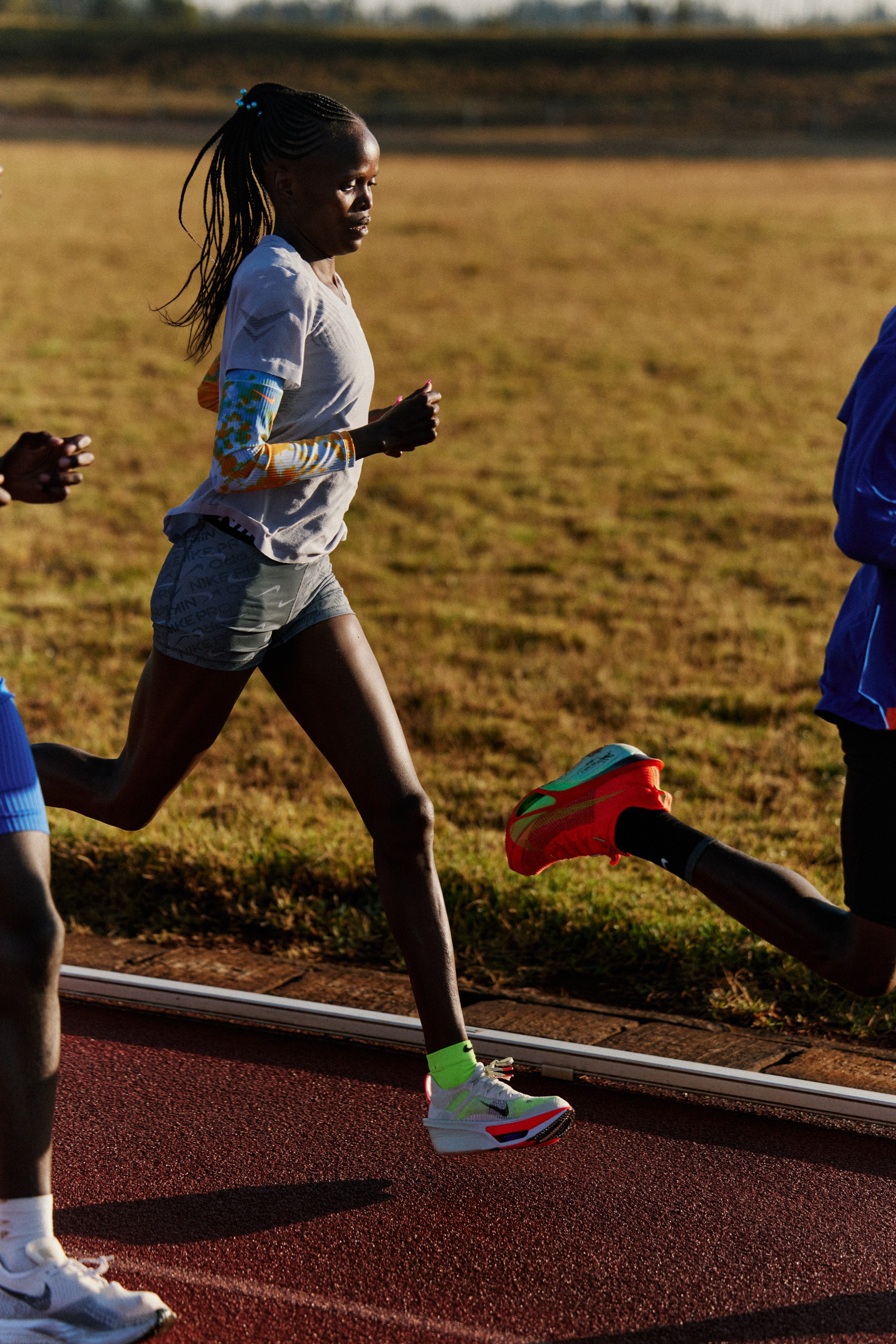 Alphafly 4 is 5 per cent lighter and gives 10 per cent more energy return than Alphafly 3. (Image credit: Nike)
Athlete feedback to design shoes
Nike has worked closely with athletes to design the Alphafly 4, and the company says athlete feedback is essential for product improvements. This feedback comes from conversations with athletes, wear testing and biomechanical measurements conducted both in the lab and in training environments. For Nike, input from athletes is important when designing a shoe that offers comfort and stability, particularly as fatigue builds during a race. The product team then combines this feedback with scientific research to identify opportunities that athletes may not explicitly articulate and validates potential solutions through repeated engagement with athletes.
Story continues below this ad
“Nike does not design Alphafly 4 around a specific geography or demographic. Instead, the shoe was informed by feedback from runners across a wide range of backgrounds, abilities and experience levels around the world. Our goal is to understand the common needs of runners globally and translate those insights into products that can serve more athletes,” a Nike spokesperson told indianexpress.com when asked if the company took insights from Indian runners and athletes when designing the Alphafly 4.
Data is critical in designing a modern running shoe
“Data helps us connect athlete feedback with measurable performance outcomes. Athlete insights help us identify the problems worth solving, while biomechanical research, wear testing and lab testing help us understand how runners move and validate how a solution performs,” the spokesperson added.
Development versions of the shoe have already been used in some performances, including Jacob Kiplimo running the second-fastest half marathon and third-fastest marathon of all time, and Conner Mantz breaking the men’s American marathon record.
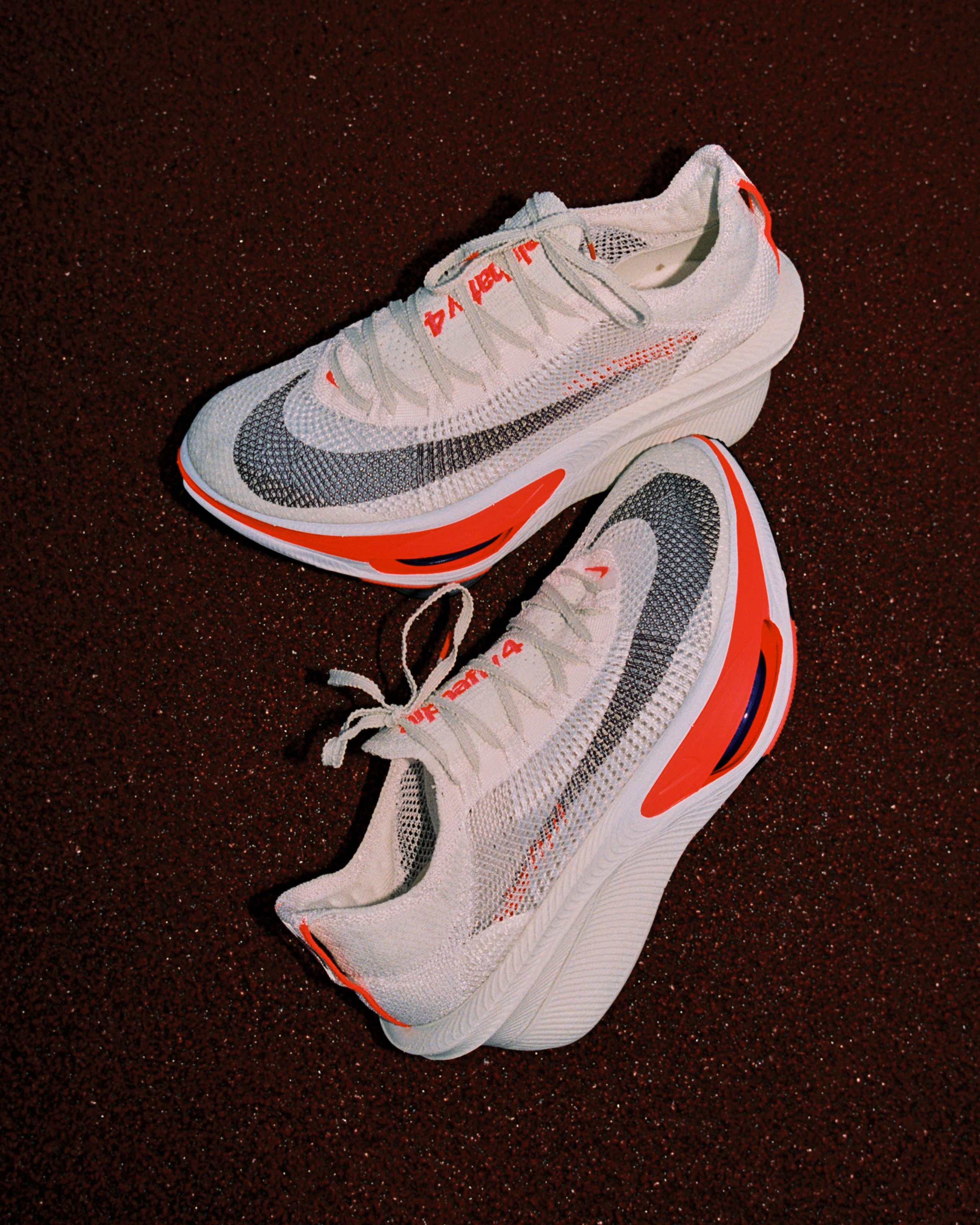 Nike pitches the Alphafly 4 as a shoe for all runners. (Image credit: Nike)
History of Nike Alphafly
The Nike Alphafly is considered one of the most influential running shoes, and since its debut, there has been ongoing discussion about the technology used to create it, as well as how athletes have been able to achieve some of the fastest marathon performances in history.
The story of the Alphafly begins with Nike’s “Breaking2” project, with the aim to help a runner complete a marathon in under two hours. Nike engineers worked closely with elite athletes, particularly Kenyan marathon legend Eliud Kipchoge, to develop footwear that maximised running efficiency.
Story continues below this ad
The project led to the development of Vaporfly series, featuring ZoomX foam and a carbon-fibre plate designed to improve energy return. Although Kipchoge narrowly missed the two-hour barrier during Nike’s first Breaking2 attempt in 2017, the key lessons learned from the project laid the groundwork for a more advanced racing shoe. Nike, of course, continued worked on the technology and developed a prototype that would known as the Alphafly.
In 2019, Kipchoge made history in Vienna by running a marathon in 1:59:40 at the INEOS 1:59 Challenge, becoming the first person to break the two-hour barrier. That brought the Alphafly into the spotlight for the first time. A few months later, in 2020, Nike officially launched the Alphafly. The running shoe featured a knitted upper with a carbon-fibre plate embedded within the ZoomX midsole and exposed Zoom Air pods in the forefoot.
KioskNews shows a cleaned-up reading view extracted from the publisher’s page — the original always lives on their site, not ours.