Zelda: Every Version Of Ocarina Of Time, Ranked Worst To Best


Updated
Kyle Gratton is an editor and writer based out of Kansas City. He received a bachelor's degree, dual majoring in English and History with a minor in Film and Media Studies, and has been a senior staff writer and reviewer for Screen Rant's Gaming section since 2021, with roles in editorial, and various freelance projects.
A terminal Midwesterner who graduated from the University of Kansas, Kyle also has knowledge and interest in literature, film, film adaptions of literature, and history.
Find Kyle on Letterboxd: KyleG5
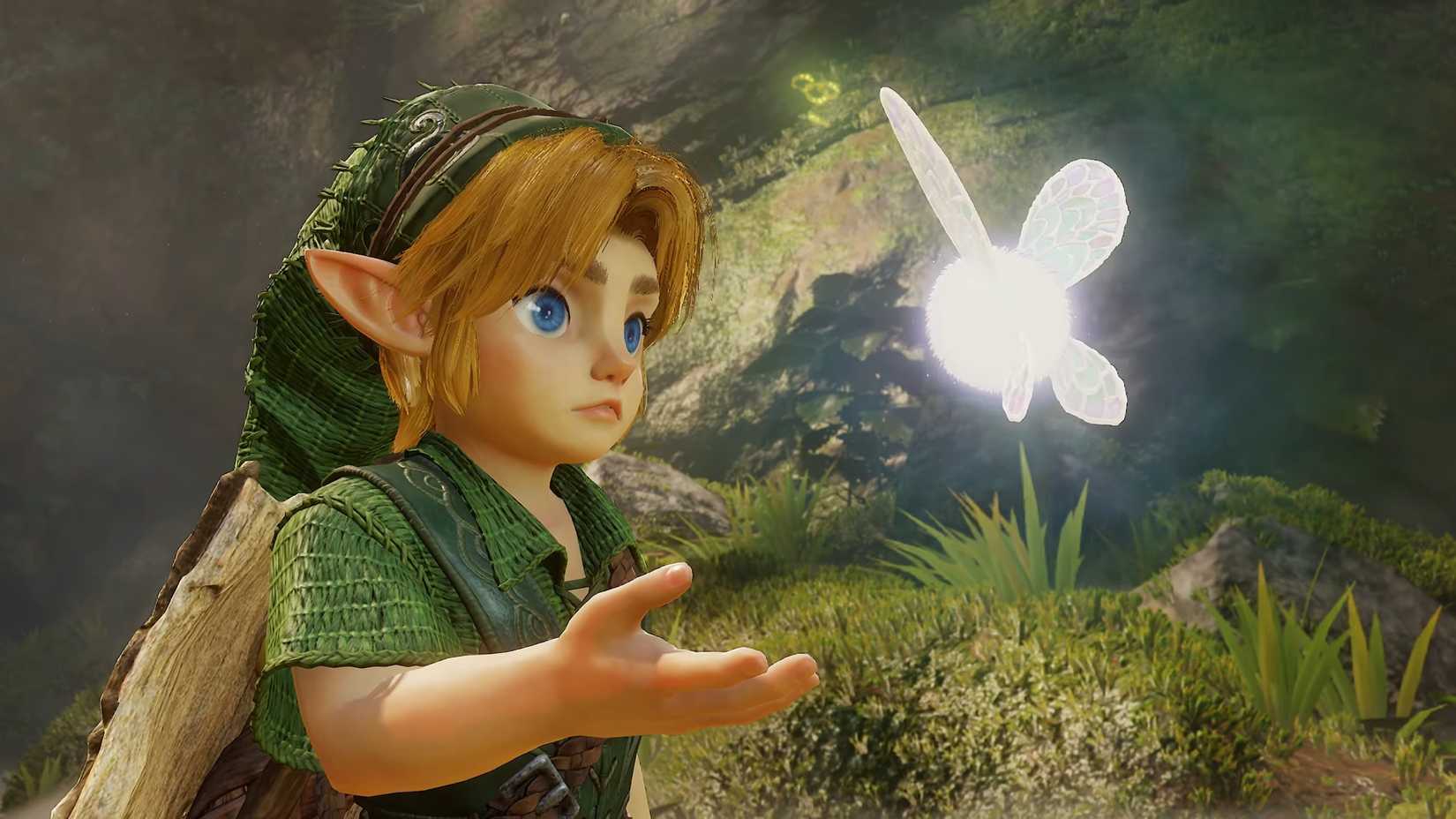
Since The Legend of Zelda: Ocarina of Time debuted on the Nintendo 64 in 1998, it has received numerous re-releases, including significant variations for different systems, including a remake coming to the Switch 2. Each is perfectly playable, and will deliver an experience still widely considered to be one of the best in video game history, but the different versions of Ocarina of Time are not equal.
For Nintendo as a whole, Super Mario 64 is the quintessential 3D milestone, but Ocarina of Time was Zelda's first foray into that new era of gaming. To this day, many consider it still an unmatched masterpiece. It remained in high regard through 2002, when Nintendo offered an enhanced GameCube version (along with Master Quest, which changed Ocarina of Time's original formula) as a pre-order bonus for The Wind Waker.
Since then, there have been several remakes and ports of the title to other Nintendo consoles. Out of all of them, one stands out as by-far the best way to experience the magic of Ocarina of Time.
NSO Has Ocarina Of Time's Worst Version
Performance Issues And Emulation Problems Create A Lackluster Experience

This version of Ocarina of Time is also sadly its worst. In a cruel bit of fate a la The Monkey's Paw, the game finally came to the Switch—as so many had been hoping for—but came as part of the Nintendo Switch Online Expansion Pack. Ultimately, this port is a technical inferiority to earlier iterations, with a significant amount of input lag that comes from the game's emulation. The NSO version is not just disappointing, it can be downright insulting.
Although the original version of Ocarina of Time had input lag too, it wasn't nearly as bad as the NSO version. There are also a host of graphical drawbacks, including missing atmospheric effects, Switch Ocarina of Time's water textures looking worse than the original. A number of missing reflections, issues with lighting and shadows, and other performance issues also caused this game to have its infamous 3D graphics represented poorly.
The Wii and Wii U Virtual Console also have similar adaptions to the 3DS, but those more faithfully emulated the original N64 version, and have been omitted from this list for the sake of brevity.
The availability of the NSO version was also egregious, as it was locked behind Nintendo Switch Online's new, too-expensive Expansion Pack subscription tier. Many had been hoping for Ocarina of Time and Majora's Mask to be bundled on the Switch, just like The Wind Waker and Twilight Princess were on Wii U, the best fans got was this haphazard emulation. The NSO version of Ocarina of Time is still perfectly playable, but it still doesn't quite stack up to the original release.
Original Ocarina Of Time Is Held Back By The N64
Older Hardware Comes With Its Own Pros And Cons

Retro video game enthusiasts would proclaim that the only true way to experience Ocarina of Time is on its original hardware. There may be some incredible sentimental value in playing it on an N64, but that also comes with hardware limitations that have been solved by later versions of the game. Unique restrictions tied to the N64 make it difficult to play the game, especially if you don't appreciate the restrictions that come from Ocarina of Time's original system.
The packaging notes that Ocarina of Time is "Designed For N64 Rumble Pak," which was a separate peripheral to bring rumble to the N64 controller. Without the Rumble Pak, the Stone of Agony (admittedly a non-essential item) was useless. The dated nature of the original N64 version also has some modern concerns over resolution and frame rate, though neither of these were particularly bad for the time.
That being said, there is a reason why players fell in love with this game on the N64. Ocarina of Time would not have reached its iconic status without this version, so it holds a unique status. Overall, the original iteration is essentially a baseline for comparison with the others, and is still the hallowed title which may have only recently been overtaken by Breath of the Wild as the best Zelda game.
The GameCube Elevates Ocarina's N64 Version
A Classic Remade For A Different Controller

The N64 classic was again made available on the GameCube the next year after its release, when it was bundled in The Legend of Zelda Collector's Edition. This bundle included the original Legend of Zelda, The Adventure of Link, Ocarina of Time, and Majora's Mask, creating a number of definitive versions of beloved titles from throughout multiple eras of the series.
Many opinions of the GameCube and N64 iterations of Ocarina of Time come down to preference, nostalgia, or simply which controller you prefer to use for the more retro experience.
In the grand scheme of comparison, the GameCube and N64 versions of Ocarina of Time are essentially the same. A major benefit to the GameCube version, however, is one of posterity. The N64 may have more trouble working on new displays, and the GameCube version's higher resolution will look better on LED and OLEDs anyway. Coupled with a higher frame rate, the GameCube version performs better for modern sensibilities.
The GameCube controller also has built-in rumble, meaning the Stone of Agony will always work, but the controller is simultaneously the cause of a minor drawback. The C Stick is less intuitive for Ocarina of Time's controls than the original C Buttons, and while those inputs are doubly mapped to X, Y, and Z for the GameCube as well, those are similarly confusing since Z (on top of the controller) corresponds to Down C.
The 3DS Is One Of The Best Ocarina Of Time Versions
A Port Done Mostly Right

In 2011, Zelda's most iconic title got its greatest upgrade in Ocarina of Time 3D for the 3DS. This version also came with Master Quest, and had remastered graphics among other improvements, including making use of the 3DS's glasses-less 3D screens. In many ways, Ocarina of Time 3D is the most thorough reimagining of the N64 classic, refining the experience into something equal parts nostalgic and improved.
Nintendo made significant graphical updates for this remastered version, which many fans want ported to the Switch. The 3D effects may come down to personal preference, but the overall graphical fidelity for environment textures, character models, and lighting is unmatched by any other version of Ocarina of Time. The 3DS version also makes several improvements to gameplay, with ample consideration for the hardware it was built on.
Some fans are not as fond of the 3DS version due to how it changes a variety of features from the N64 or GameCube versions of Ocarina of Time, but there's no denying that some systems added in hindsight should have been part of the original game.
The 3DS version is also the most feature-complete of the bunch. Not only does it include Master Quest, as previously noted, but it also has a boss challenge mode where players can fight individual bosses for new record times or face all of them one after another in a gauntlet with only five hearts. Thankfully, the exclusive Stone of Agony item from other versions was fully replaced with the Shard of Agony, since the 3DS doesn't have rumble capabilities.
Major annoyances like having to enter the pause screen to equip and remove the Iron Boots (one reason the Water Temple is the most hated Zelda dungeon) were fixed by use of the 3DS's touchscreen as well. This allowed for more intuitive inventory management, with other features added to this version's overhauled systems. For example, gyroscopic aiming is also available for items like the Slingshot and Fairy Bow, making them far easier to use.
The Nintendo Switch 2 Is A Loving Remake
The Full Remaster Revitalizes The Game
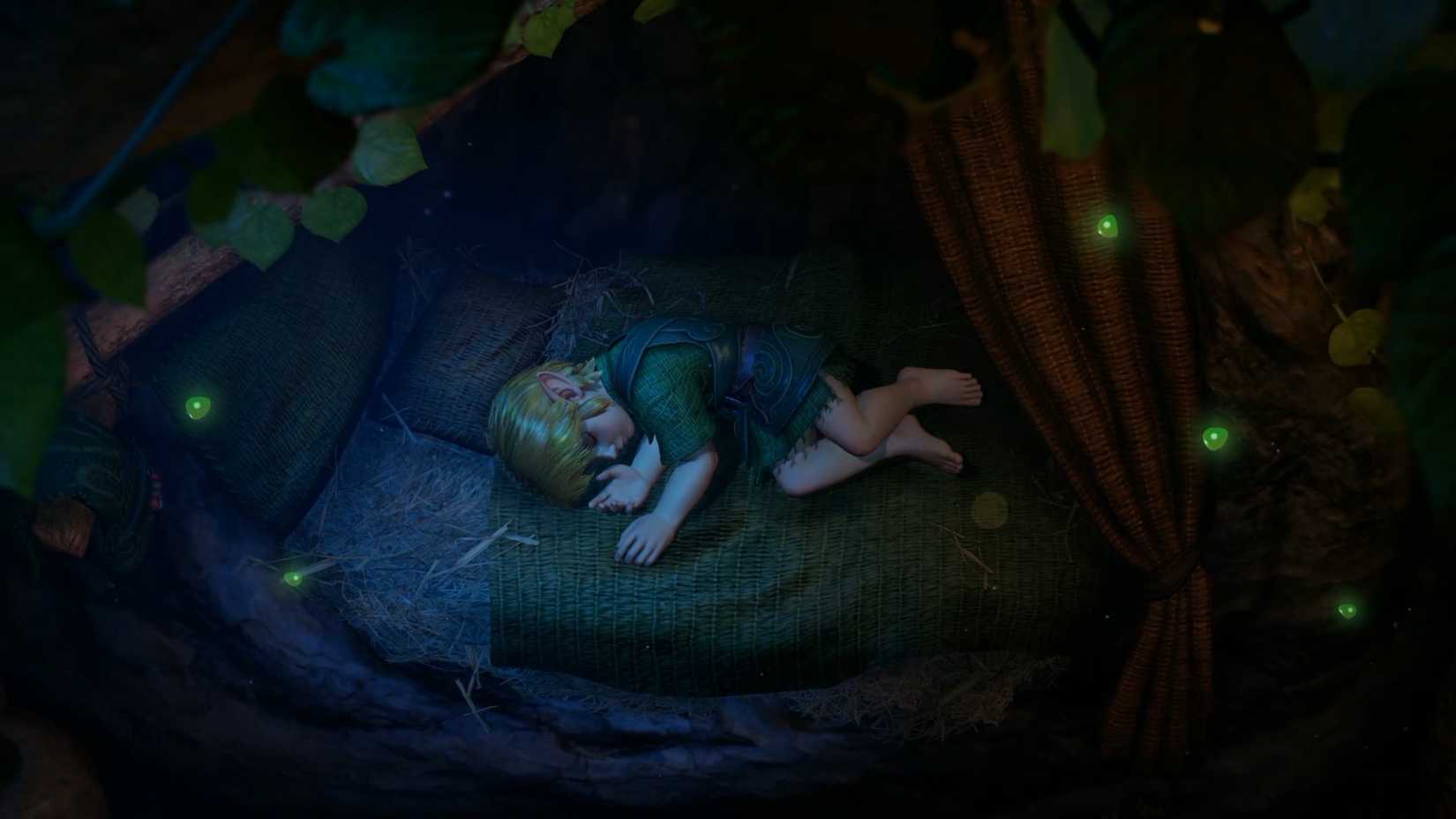
The latest version of Ocarina of Time is a full remake for the Nintendo Switch 2, released on November 5, 2026. The new game completely overhauls the visuals with a new look for Link and the other characters. The whole world has gotten a rework, making it a joy to traverse, and it's all set against the backdrop of a sweeping orchestrated score and full voice acting.
This is easily be the most "modern" rendition of Ocarina of Time yet. It adds quality of life upgrades like the ability to switch weapons and tools without opening the inventory, and jumping and running (you'll no longer have to roll across Hyrule field to speed things up). It also adds new systems like the stunning tapestry that fills out as you progress through the game. On top of everything else, the controls simply feel good.
The world really comes alive with the addition of new NPCs, each quirkier than the last. The combat and puzzles are also intact, and the game faithfully recreates many iconic moments from the original. It feels like a nod to longtime fans who have grown up with the game, while also being welcoming to new players who have never experienced any of the other versions. In other words, this remake is a stellar version of Ocarina of Time that fans have never seen before.
When it comes to which version of this game is the "best," everyone has their own preference at the end of the day. Yet, as fans now debate whether Ocarina of Time, Breath of the Wild, or Tears of the Kingdom are their favorites, this one will always be remembered fondly and brought back for new generations. The Legend of Zelda: Ocarina of Time is a timeless classic, and can still be thoroughly enjoyed in its original incarnation, but the Nintendo Switch 2 remaster might be the definitive version of the game.
- Released
- November 21, 1998
- ESRB
- E10+ for Everyone 10+: Animated Blood, Fantasy Violence, Suggestive Themes
- Developer(s)
- Nintendo
- Publisher(s)
- Nintendo
- Engine
- Zelda 64 Engine
- Franchise
- The Legend of Zelda
KioskNews shows a cleaned-up reading view extracted from the publisher’s page — the original always lives on their site, not ours.