Bird flu fears prompt orders for poultry to be kept inside in England and Scotland
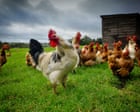
Poultry and captive birds across England and Scotland must be kept inside for the second year in a row due to an increased risk of a devastating strain of bird flu.
The British government has issued an England-wide avian influenza prevention zone, meaning individuals with 50 or more poultry or captive birds must house them inside. A similar designation was made across the whole of Scotland on Tuesday.
Birdkeepers must also follow enhanced biosecurity measures including reporting changes in egg production and reporting suspected disease immediately to the Animal and Plant Health Agency.
The government said the declaration followed an increased risk and escalating number of confirmations of the highly pathogenic avian influenza, or bird flu, in kept and wild birds.
A prevention zone was also declared across all of England, Scotland and Wales in 2025.
Since 2014, the disease has been spreading rapidly and has devastated UK wild bird populations since the summer of 2021. It has also spread across an unusually broad range of species around the world, with four of the five main southern elephant seal populations reporting the disease. In some south Atlantic colonies, more than 90% of newborn pups have died, alongside about half of all adult females.
The disease has also been detected in humans, with 11 deaths recorded globally between 1 January and 4 August 2025.
This strain of bird flu causes illness and high death rates in birds, as well as flu-like symptoms and conjunctivitis in humans who come into close contact with infected animals.
The British government said the current risk to human health from bird flu remained very low.
The government says it does not anticipate an impact on the availability of Christmas turkeys or other seasonal poultry for consumers. The Food Safety Authority said properly cooked poultry and poultry products, including eggs, were safe to eat.
The UK chief veterinary officer, Christine Middlemiss, said: “Having avian influenza confirmed in your flock can be devastating. I understand the impact this disease can have on the poultry sector and am extremely grateful for the continued cooperation of the industry.”
KioskNews shows a cleaned-up reading view extracted from the publisher’s page — the original always lives on their site, not ours.