We haven’t handed over our forex role to Goldbod – BoG Governor Asiama
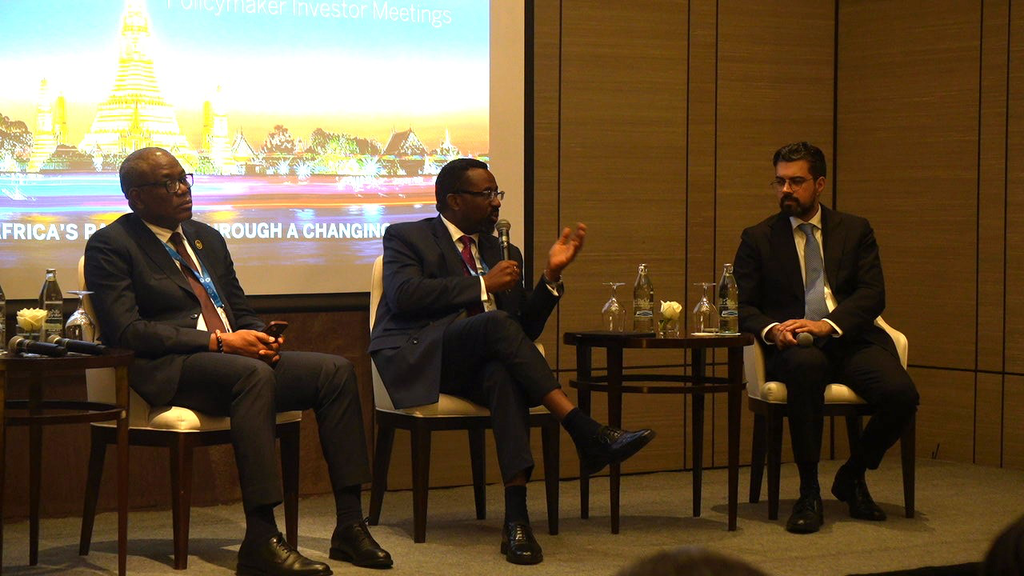
Bank of Ghana (BoG) Governor, Dr Johnson Asiama, has dismissed suggestions that the central bank has handed over its foreign exchange market responsibilities to Goldbod, saying it remains ready to intervene when necessary to maintain stability.
He said the Bank’s focus on building reserves, with Goldbod supporting foreign exchange intermediation and market supply, did not mean it had abandoned its core functions.
“We want to focus on reserve build-up while Goldbod supports with FX intermediation as well as some level of intervention for the market,” he said.
Dr Asiama explained that the central bank would enter the market when necessary, particularly if volatility threatened orderly trading conditions.
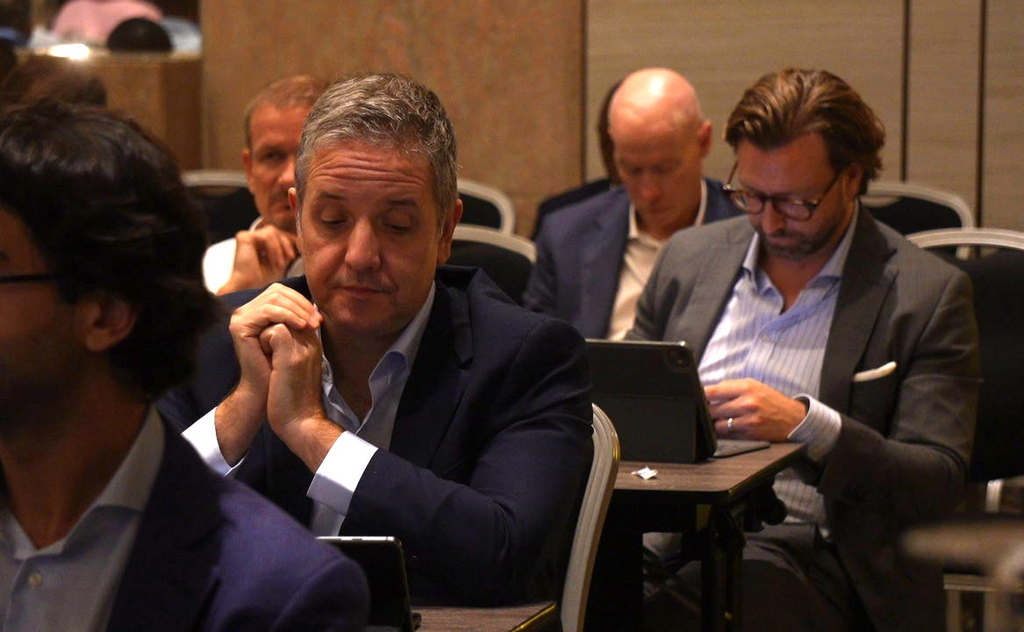
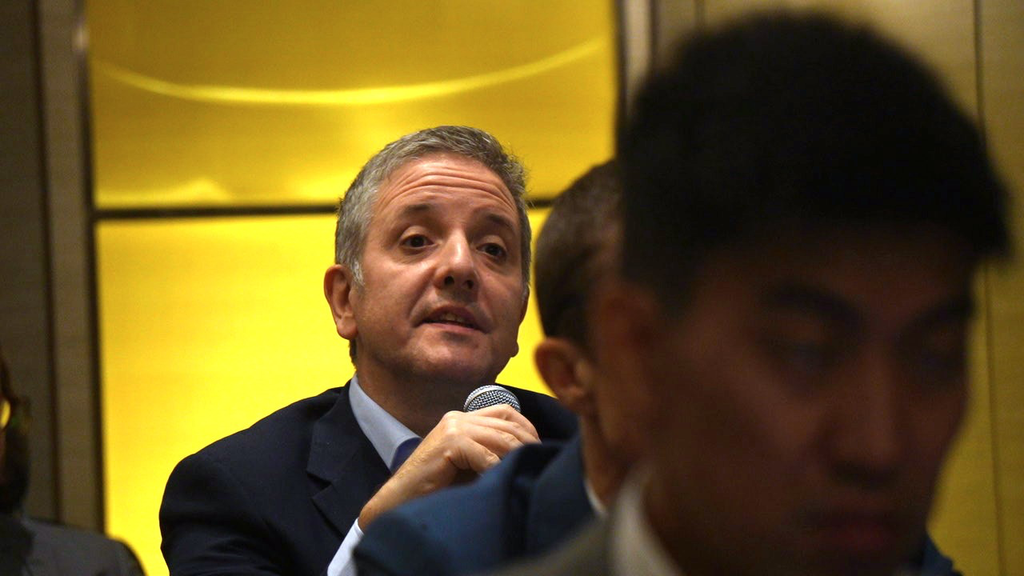
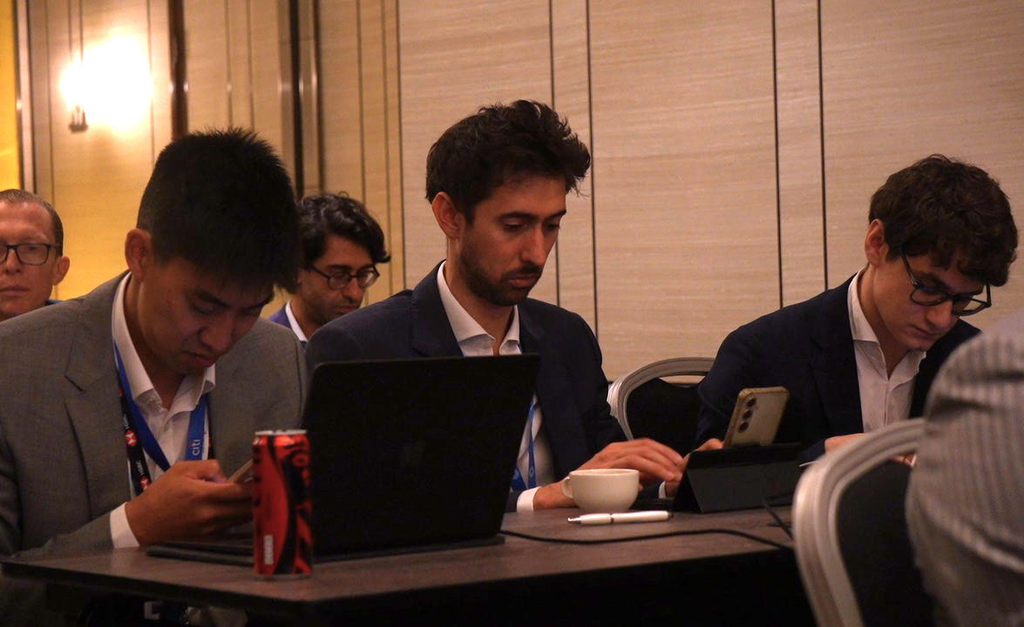
He was speaking at a meeting with institutional investors, brokers and fund managers organised by Standard Bank at the Conrad Hotel in Bangkok, Thailand, on the sidelines of the annual IMF/World Bank meetings.
Market concerns
The Governor was responding to questions about the respective roles of the Bank of Ghana and GoldBOD in foreign exchange intermediation and what the arrangements mean for the cedi’s stability.
Some market watchers have questioned Goldbod’s role, citing provisions of the Bank of Ghana Act, the foreign exchange operations framework and the Constitution.
The issue was also featured at a recent hearing of Parliament’s Public Accounts Committee, where GoldBod’s Chief Executive appeared.
Addressing the concerns, Dr Asiama said Goldbod was supporting the central bank rather than taking over its functions.
He explained that the foreign exchange inflows being channelled through Goldbod would ordinarily have reached the market. Under the revised framework, GoldBOD is directing those inflows to support market supply.

The Governor praised GoldBOD’s contribution, describing its support as particularly valuable under current conditions, and assured investors that there was no cause for alarm.
“I have been wondering why we had not set up Goldbod long ago,” he said, adding that developments so far justified its establishment.
Since the beginning of October 2026, GoldBOD has sold about US$452 million to commercial banks through its GoFX platform, which conducts foreign exchange sales twice a week.
The platform supports electronic submissions, allocation processing, time-stamping, transaction histories, and audit trails.
The programme operates under the Bank of Ghana’s regulatory oversight. The central bank will have real-time access to the platform, while GoldBOD submits transaction reports after each sale.
Under its revised foreign exchange programme, Goldbod plans to generate about US$1.5 billion in October. Of this amount, US$1 billion is earmarked for sale to commercial banks, while US$500 million will be transferred to the Bank of Ghana to support the accumulation of reserves.
The central bank has indicated that it does not anticipate undertaking a foreign exchange intermediation programme, although it remains ready to intervene to maintain orderly market conditions.
In a September communication to market participants, the Bank said it remained prepared to undertake foreign exchange interventions where necessary, while preserving overall exchange rate flexibility.
Reserve build-up and cedi stability
The cedi has faced sustained pressure in recent months, although it has stabilised marginally over the past two weeks. Its year-to-date depreciation stands at 10.33 per cent.
Responding to investors’ concerns, Dr Asiama described the recent pressure as a marginal blip and said he expected conditions to normalise.
He attributed some of the pressure to profit-taking by multinational companies and other businesses, adding that ongoing reforms should help restore stability.
The Governor reiterated the central bank’s readiness to intervene when necessary to prevent excessive volatility.
On Ghana’s gross international reserves, which stood at about US$12.04 billion as of September 22, 2026, Dr Asiama said the Bank remained committed to its accumulation programme.
He acknowledged that energy-sector payments had put pressure on reserves in recent months but maintained that the Bank was on track to meet its year-end targets under the Policy Coordination Instrument (PCI).
Dr Asiama said Ghana would achieve the programme’s target of six months of import cover by December.
He told investors that the reserves were being built to strengthen Ghana’s ability to withstand less favourable external conditions, including a significant decline in global gold prices.
The Governor said these measures would provide the buffers needed to safeguard exchange rate stability under more challenging circumstances.
DISCLAIMER: The Views, Comments, Opinions, Contributions and Statements made by Readers and Contributors on this platform do not necessarily represent the views or policy of Multimedia Group Limited.
Tags:
DISCLAIMER: The Views, Comments, Opinions, Contributions and Statements made by Readers and Contributors on this platform do not necessarily represent the views or policy of Multimedia Group Limited.
KioskNews shows a cleaned-up reading view extracted from the publisher’s page — the original always lives on their site, not ours.