France and Spain welcome idea of UK rejoining EU after Burnham’s speech
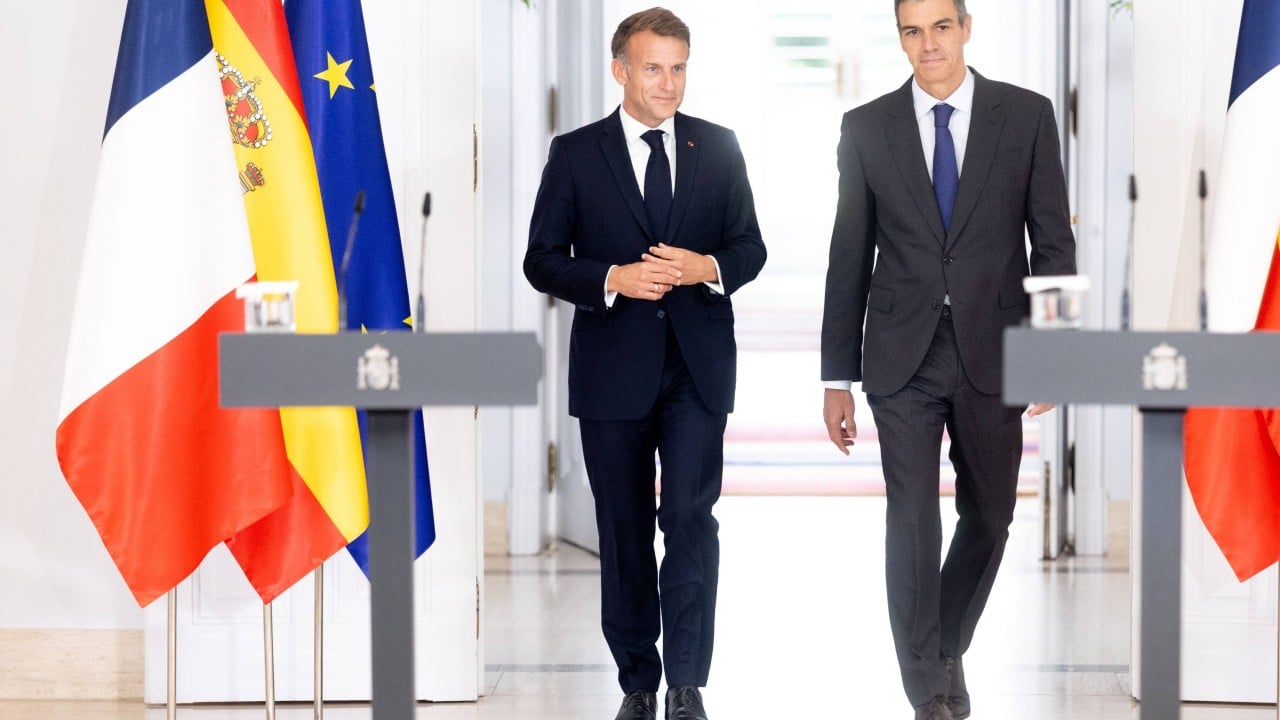
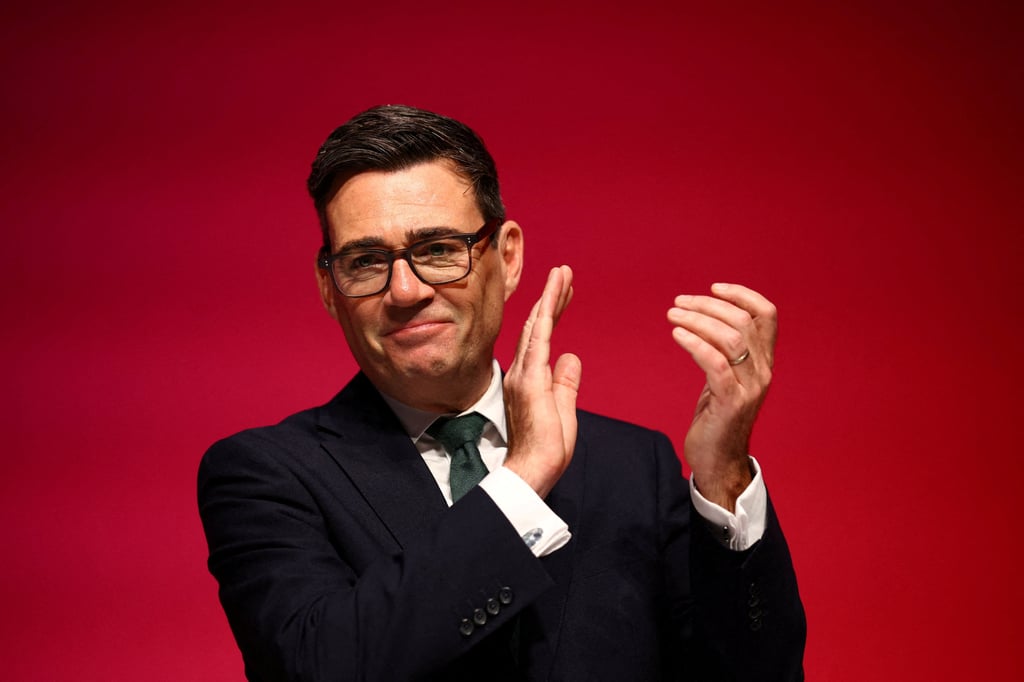
The European Union would embrace the UK if it ever decided to rejoin the bloc, the leaders of Spain and France said shortly after new UK Prime Minister Andy Burnham floated the possibility.
“Welcome back,” French President Emmanuel Macron quipped in English, speaking Wednesday in Madrid alongside Prime Minister Pedro Sanchez, who is hosting the leader on a two-day visit.
“This prime minister is moving in that direction,” Macron added. “I think it’s very good news both for his country and for the Europeans.”
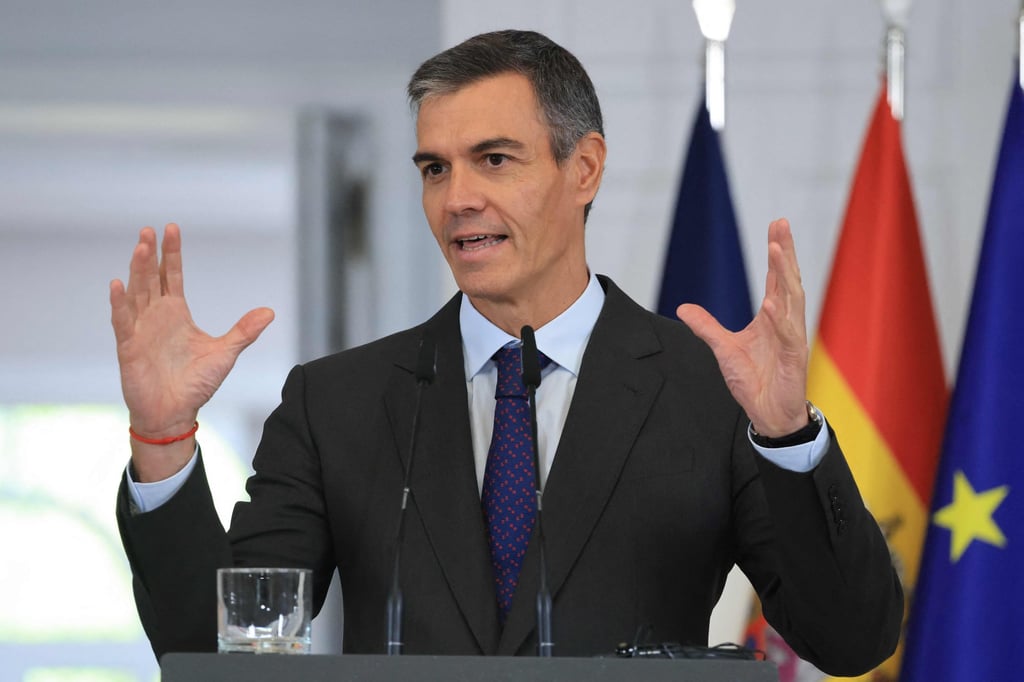
Sanchez called Brexit a “huge loss” for the UK population and Europe, but stressed that Spain would “certainly welcome” a returned Britain “and open its arms once again to a brotherly people with whom Spain has such good relations in every sphere”.
The remarks reflect Europe’s increasing optimism after Burnham raised the prospect of Britain returning to the EU on Wednesday, a day after vowing to set out a new relationship with the bloc. In an interview with the BBC, he outlined three options he would discuss at a UK-EU summit slated for later this year – rejoining the EU, rejoining the bloc’s single market or entering a customs union.
Still, European officials have long been wary of such UK overtures, 10 years after the country voted to leave the bloc. They have frequently said it is on the UK to show its commitment to warming ties with concrete action.
“The UK is a close and valued partner of the European Union,” Balazs Ujvari, a spokesman for the European Commission, the EU’s executive arm, said in a statement. “It is for the UK government to set out how it wishes to develop its relationship with the EU going forward.”
Even before Burnham’s speech, preparations were under way for an EU-UK summit in Brussels in November.
The summit, which had been due to take place in July but was postponed after Keir Starmer resigned as prime minister, is expected to focus on three main elements: linking the EU and UK carbon markets, agreeing on food and agriculture trade and a youth mobility programme for both travel and work.
While relations between the UK and the EU have improved since the election of a Labour government in Britain in 2024, the partnership has faced headwinds over UK concerns about forthcoming “Made in Europe” legislation from Brussels. The EU’s proposed Industrial Accelerator Act is designed to prioritise local sources when public money and investment decisions are made in Europe, as the continent seeks to bolster its own industrial base.
Allies such as the UK, Japan and Switzerland are unhappy at the planned rules given their close investment relationship.
Bloomberg also previously reported that the EU pushed back on efforts by the UK to participate in some key meetings.
Specifically, the UK expressed interest earlier this year in joining committees fine-tuning regulations on farming and food standards, as well as the bloc’s carbon and electricity markets, people familiar with the matter said – all areas where London is trying to align its rules with the continent.
The commission stressed in a meeting with member states that the UK had no right to such participation under its current arrangement, the people said, speaking anonymously to describe the private talks. Several countries also opposed giving the UK any involvement in the EU’s decision-making process.
KioskNews shows a cleaned-up reading view extracted from the publisher’s page — the original always lives on their site, not ours.