Smart glasses could replace your monitor but they shouldn't — here's why
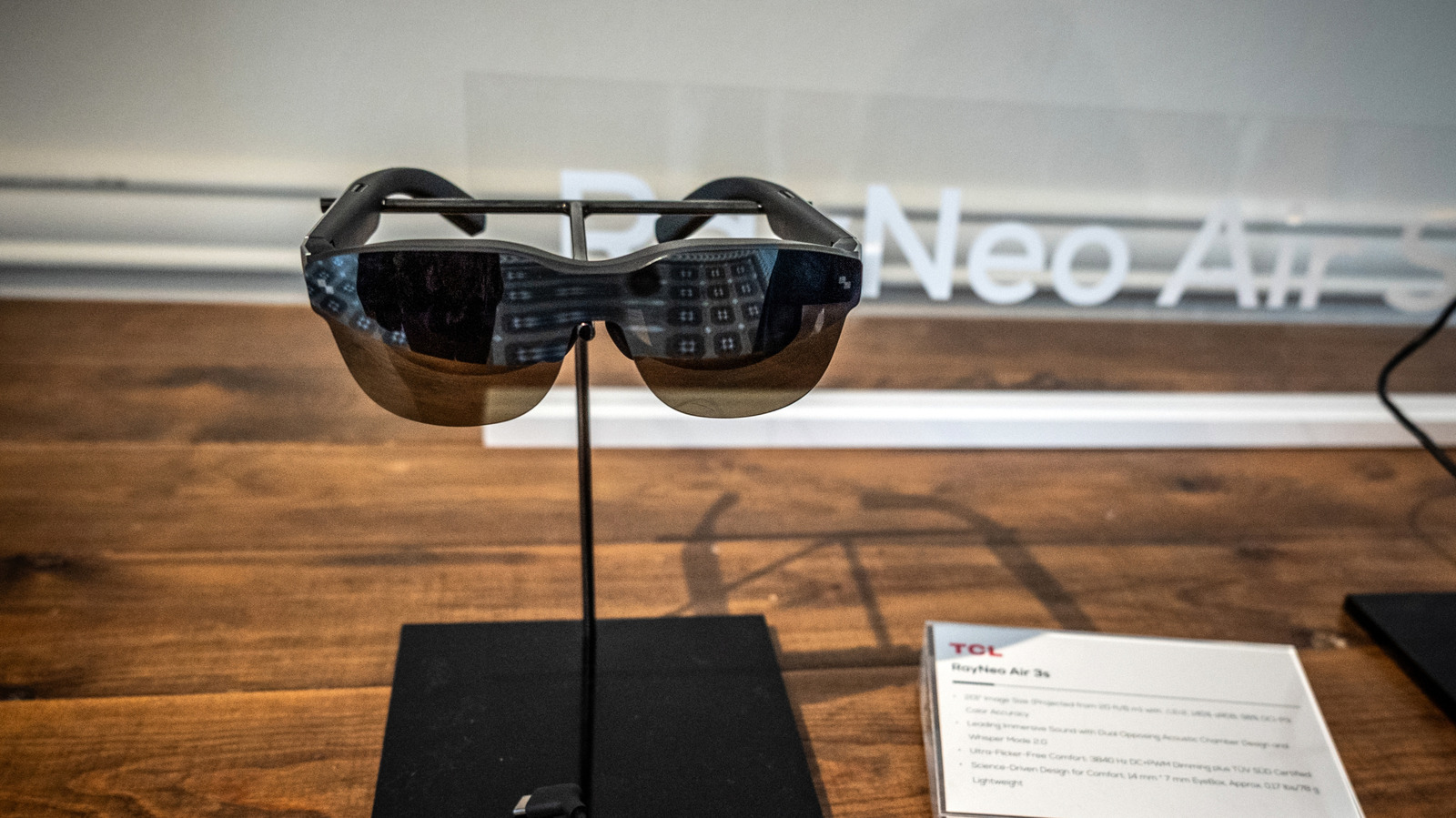
Some people are already swapping their monitors for smart glasses, and the results are mixed.
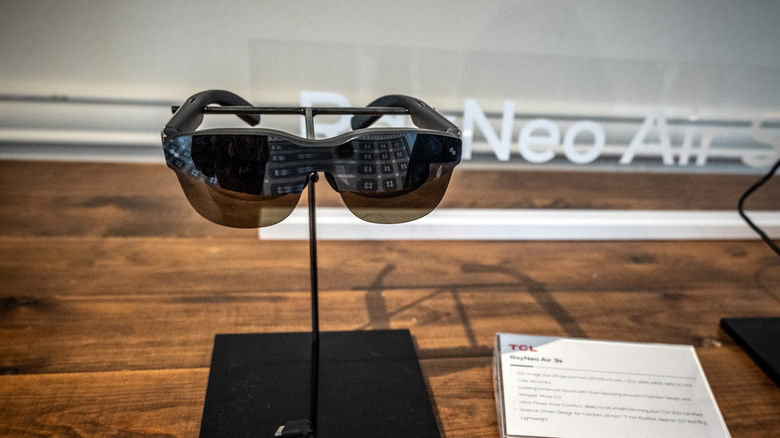
Jovana Kuzmanovic/Shutterstock
Imagine taking your computer monitor and setting it out by the curb. Instead of sitting at your desk surrounded by screens, maybe all you'll need one day is a pair of smart glasses. As smart glasses ride a fresh wave of interest, some users are already experimenting to see whether the tech could be up for the challenge of replacing their monitors.
There could be some perks to using smart glasses as a replacement. For one, they're more private — no one will be peering over your shoulder. Smart glasses could also declutter your workspace and offer you more flexibility. Instead of hunching over your laptop, trying to get work done on a flight, you can use your smart glasses to look at multiple virtual monitors adjusted to your preferences.
Even so, you might not want to clear off your desk right away. From comfort issues like eye strain to display limitations, here's why smart glasses might not be ready to take the place of your computer monitor just yet.
Physical comfort
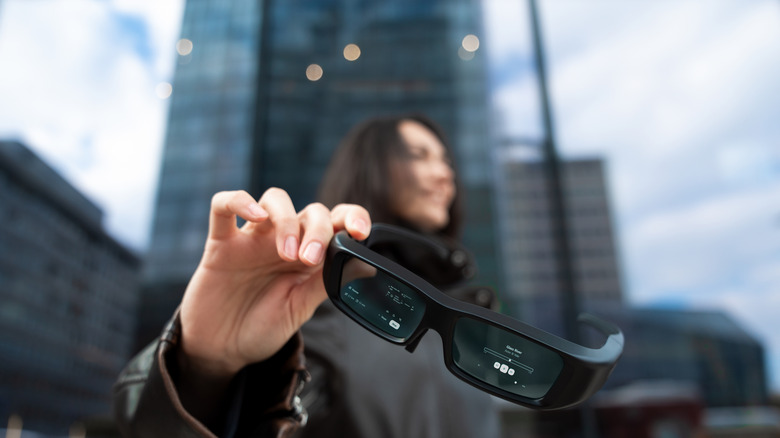
D-keine/Getty Images
In the life of a desk worker, there are plenty of considerations around comfort. How you sit, how you hold your head and how often you take breaks from the screen can all contribute to issues like back pain or headaches. Those who have replaced their monitors with smart glasses have encountered some sticking points as well.
An article from Lifehacker's Stephen Johnson noted that his Xreal One Pro glasses heated up when he used them for long periods, and he could feel the heat on his forehead. Different models of glasses may deal with the dissipation of heat in different ways.
On the flip side, YouTuber Jasmine Uniza said in a video that her smart glasses were comfortable, though she mostly wears them for about an hour and a half to two hours at a time. She also felt that her posture improved because she was adjusting the virtual screen to her body rather than adjusting her body to the screen sitting on her desk.
Some have also noted that eye strain could be an issue. Johnson joked that he was ignoring the old warning not to sit too close to the TV, with a screen about half an inch from his eyes. Eye strain occurs when your eyes get tired from exposure to bright lights or screens, or from focusing intently on something for a while. While it usually isn't serious and usually goes away with rest, it can be annoying.
Various testers also noted that your mileage will vary with display and resolution. Cheaper glasses might not offer a sharp enough resolution, making it harder to read text or do more precise work.
Living behind glasses
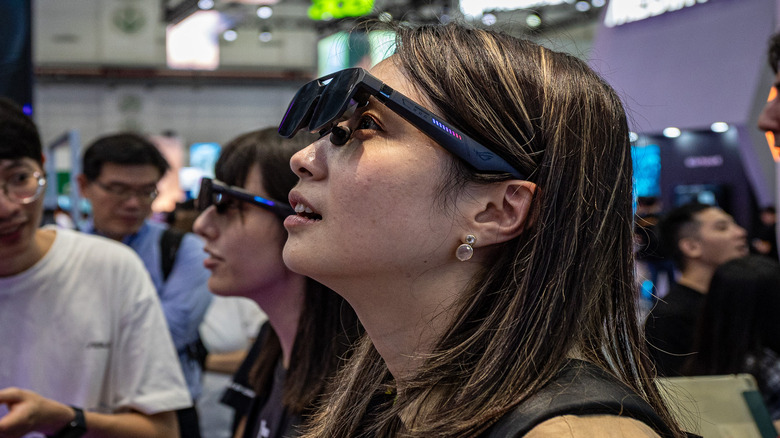
Cheng Chia Huang/Getty Images
Aside from physical discomfort, some users have commented on the awkwardness of sitting on video calls wearing dark lenses or the potentially isolating effect of having glasses on at work. Others have said it was hard to switch activities because they had to take off the glasses or look past them. Writing in a physical notebook, for example, became more complicated.
Several accounts from people testing whether they can replace their monitors suggested that the glasses might be better suited to entertainment, like gaming and watching movies, than office work. Watching a movie by yourself on your couch, for example, will likely bypass the challenges of switching tasks, wearing the glasses for eight hours a day or hopping on a Zoom call with a bunch of coworkers who are wondering why you're wearing sunglasses indoors.
Smart glasses have come a long way, becoming lighter and more streamlined over time. For now they suit movie night better than the workday, but they could eventually make monitors obsolete.
KioskNews shows a cleaned-up reading view extracted from the publisher’s page — the original always lives on their site, not ours.