What are the powers of the Supreme Court, responsibilities of the chief justice?
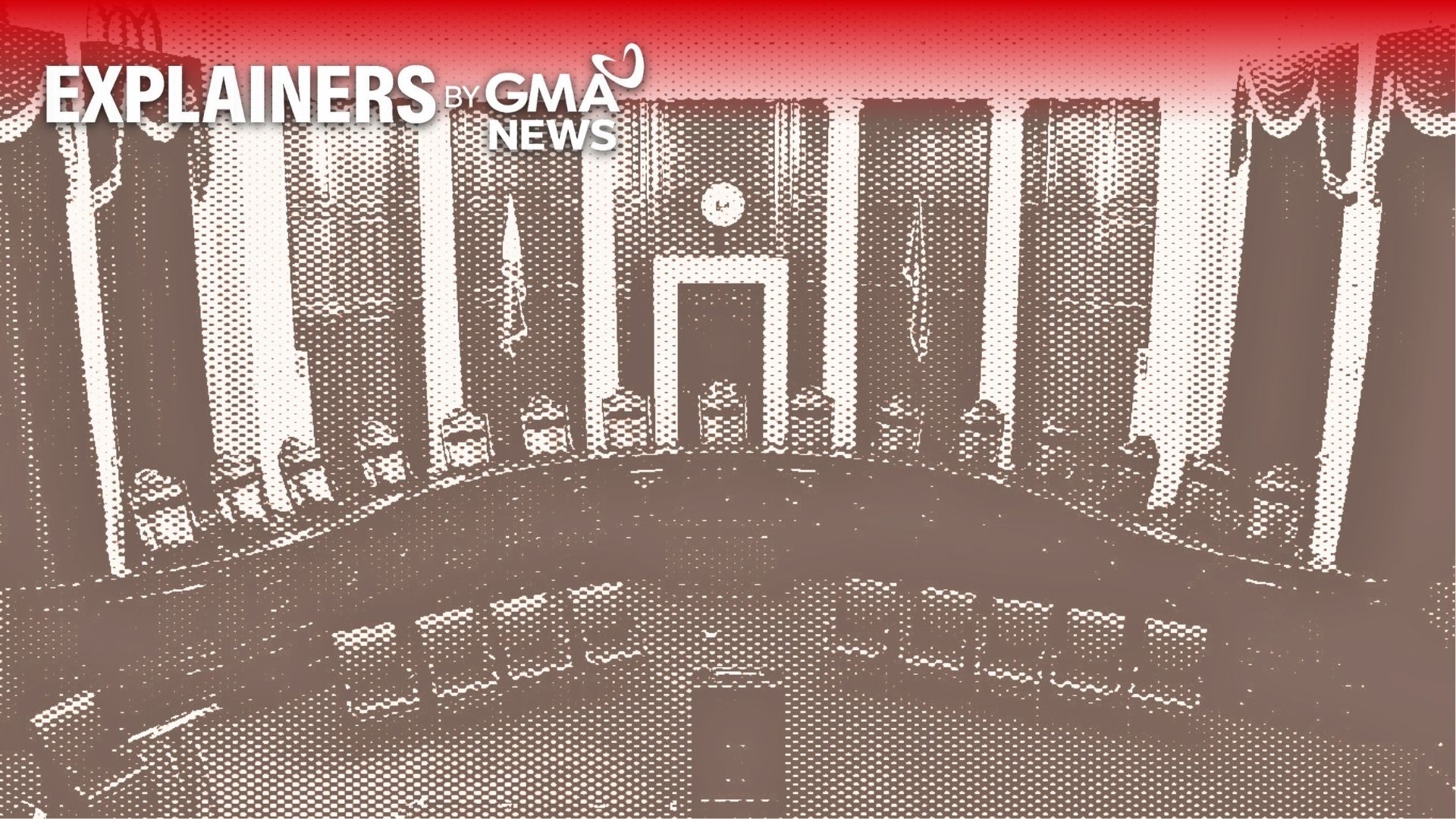
The Judicial and Bar Council (JBC) has concluded its interviews for the position of Supreme Court (SC) chief justice, which will be vacated by Chief Justice Alexander Gesmundo in November.
The next chief justice will lead the country’s highest court and oversee the administration of the Judiciary, while helping ensure that the Supreme Court fulfills its constitutional mandate.
Under the 1987 Constitution, what are the powers of the Supreme Court and the responsibilities of the chief justice?
Powers of the Supreme Court
The Supreme Court is composed of the chief justice and 14 associate justices. It may sit en banc, or as a full court, or in divisions of three, five or seven justices.
Article VIII, Section 5 of the Constitution enumerates the powers of the Supreme Court, including the following:
1. Decide cases involving constitutional questions.
The SC reviews cases involving the constitutionality or validity of laws, treaties, international or executive agreements, presidential decrees, proclamations, orders, instructions, ordinances and regulations.
It may also review cases involving the legality of taxes and penalties, questions concerning the jurisdiction of lower courts, criminal cases in which the penalty imposed is reclusion perpetua or higher, and cases involving questions of law.
2. Hear certain cases in the first instance.
The Court exercises original jurisdiction over cases affecting ambassadors, other public ministers and consuls, as well as petitions for certiorari, prohibition, mandamus, quo warranto and habeas corpus.
These legal remedies allow the Court, under applicable rules, to address issues such as alleged jurisdictional errors, unlawful exercises of authority, challenges to a person's entitlement to public office and unlawful detention.
3. Issue rules governing court proceedings and the legal profession.
The SC may promulgate rules on the protection and enforcement of constitutional rights, court pleadings and procedures, admission to the practice of law, the Integrated Bar and legal assistance for underprivileged people.
These rules must promote simplified, inexpensive and speedy court proceedings and must not diminish, increase or modify substantive rights.
4. Exercise administrative powers over the Judiciary.
Under Article VIII, Section 6, the SC exercises administrative supervision over all courts and their personnel.
The Constitution also authorizes the Court to appoint Judiciary officials and employees in accordance with civil service law, temporarily assign lower court judges to other stations when public interest requires, and order changes of venue or place of trial to prevent a miscarriage of justice.
The SC en banc may also discipline lower court judges or order their dismissal, subject to the constitutional voting requirements.
Responsibilities of the chief justice
The chief justice heads the Supreme Court but does not exercise all its powers independently. Decisions on cases are made by the Court, sitting en banc or in divisions, in accordance with the Constitution and applicable rules.
The chief justice has several specific responsibilities.
1. Preside over the Supreme Court.
As head of the Court, the chief justice presides over its proceedings, including sessions of the SC en banc.
2. Certify compliance with the consultation requirement.
Article VIII, Section 13 requires the conclusions of the Court in cases submitted for decision, whether en banc or in division, to be reached in consultation before a case is assigned to a member for the writing of the Court's opinion.
The chief justice must sign a certification that this requirement has been met. A copy must be attached to the case record and served on the parties.
3. Lead the Judiciary's administration.
The chief justice heads the institution responsible for administering justice through the Supreme Court and the lower courts. The Court's administrative supervision covers all courts and their personnel.
The chief justice's leadership therefore includes overseeing the Judiciary's administration and helping ensure that the courts carry out their constitutional and legal responsibilities.
4. Chair the Judicial and Bar Council.
Under Article VIII, Section 8, the chief justice serves as the ex officio chairperson of the JBC, the body primarily responsible for recommending appointees to the Judiciary.
The JBC prepares a list of at least three nominees for every judicial vacancy, from which the President appoints members of the Supreme Court and judges of lower courts, subject to the Constitution's provisions.
5. Uphold judicial independence and accountability.
The chief justice, like other members of the Judiciary, must meet the constitutional standards of competence, integrity, probity and independence.
Under Article VIII, Section 11, Supreme Court justices and lower court judges generally hold office during good behavior until they reach 70 years old or become incapacitated to discharge their duties.— MCG, GMA News
Follow GMA News Online on Facebook for real-time news and developments in the Philippines and around the world.
KioskNews shows a cleaned-up reading view extracted from the publisher’s page — the original always lives on their site, not ours.