From the archive: What’s inside that piñata? A guide to Mexican candy
The goal of our “From the Archive” series is to revisit popular stories that capture the unique history and culture of life in Mexico. This Sarah DeVries article — originally published in June 2025 — is a humorous yet informative look at the candies waiting to be liberated inside Mexico’s iconic piñatas.
If you’ve been in Mexico for a while, chances are you’ve been invited to — and perhaps attended — a few children’s parties.
Whether or not you know the child being celebrated is truly irrelevant. A party is something their parents throw, and they get a big say in who attends. This is only right because parties are expensive.
Sure, at least some of the kid’s friends will be there too. But you’d be forgiven for peeking into a salón de fiesta and wondering why a bunch of beer-drinking grown-ups rented a bouncy house.
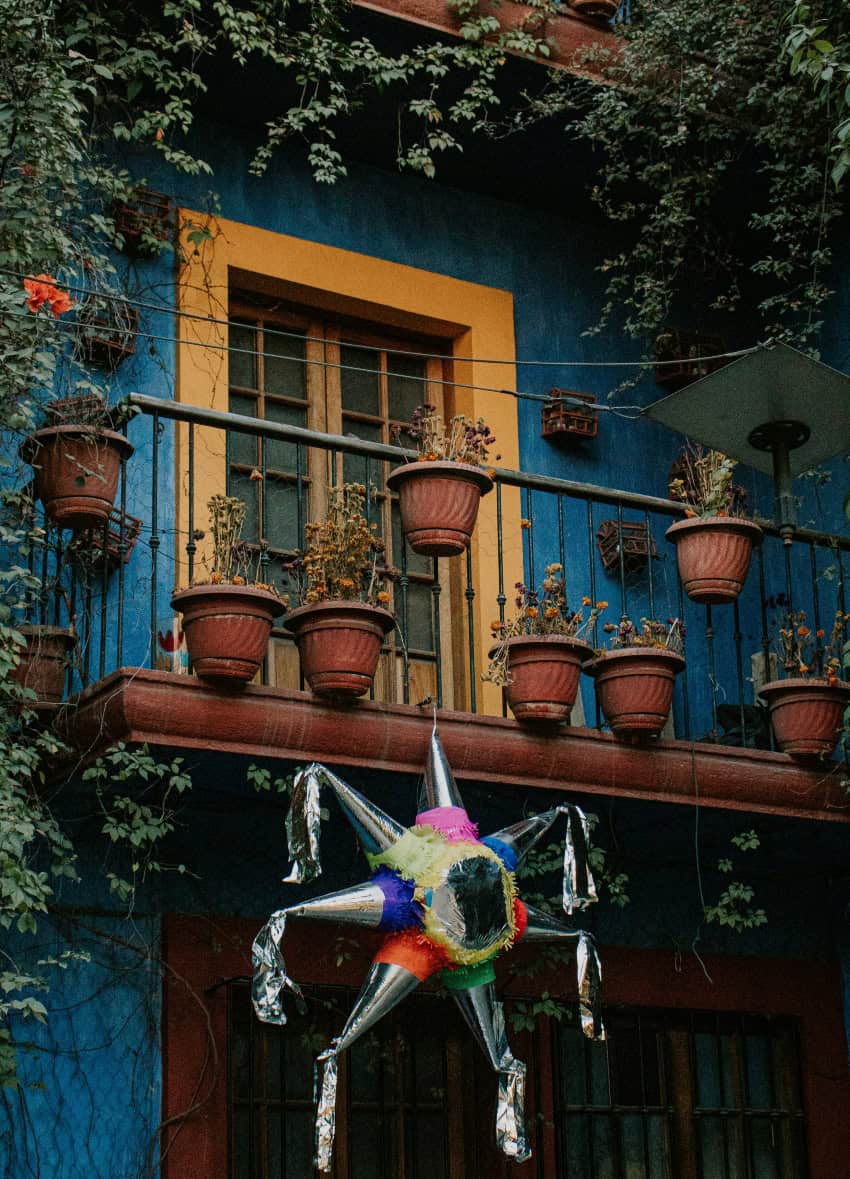
A central feature of the Mexican kid’s party — and Christmas party, and New Year’s party — is, of course, the piñata.
Piñatas, as you might guess, have been around for quite a while. Before the papier-mâché varieties of today, for example, piñatas were literally clay pots. (For an informative read on the history of piñatas, check out MND’s excellent article on the subject.)
As a parent, I have watched as my daughter and other guests take turns trying to smash many a piñata to smithereens. My voice has gone hoarse from singing the “dale dale” song; thankfully, I usually have a beer to soothe it. And of course, my heart has stopped many times as I watched particularly enthusiastic children swing with all their might, even as others rushed toward them, one or two pieces of candy on the ground already.

Why is Mexican candy both sweet and spicy? The answer might surprise you
Piñata candy-collecting is not a sport for the weak. You either rush in there and scoop up candy as fast as you can — or you don’t get candy. My daughter, whom I’ve infected with some of my gringa sensibilities, tends to hang back and grab stragglers, often sharing with smaller kids. This is kind, yes, but it’s also safe: She knows she’ll get a gift bag at the end of the party too. Under no circumstances will she go without.
You might think that once your kids get candy, you’ll get candy. This is true. There’s usually plenty to go around, along with — thank goodness — a big supply of local dentists.
Some of the candy is what we’re already familiar with, like chocolate. There are paletas (suckers) too, of course, and the little pieces of hard candy called caramelos.
But, oh, the variety. Everyone seems to love these things around here, so let’s have a look at what some of the less-familiar ones are!
Miguelitos
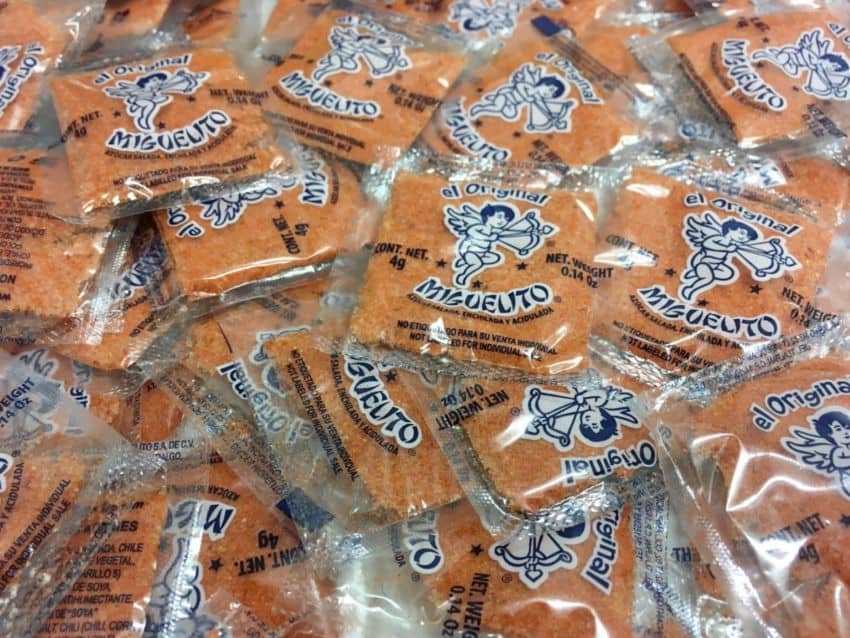
I have not met a Mexican who does not love miguelitos. My daughter loves them too. I, myself, would rather eat paint chips.
What are miguelitos, you may ask? Well, they’re little paper or plastic packets of powder that, since they’re sold as candy, you would think would be sweet. Basically, it’s a chamoy-flavored powder.
And what is chamoy, you may ask? It’s the stuff on the rim of your glass if you have a michelada, for one. It’s sweet, sour, salty and spicy all at the same time, and Mexicans go nuts for it. In powder or sauce, it goes on fruit, candy, popcorn, the rims of glasses or straight into the mouth. For a fascinating history of chamoy in Mexico, check out this video.
Pelón Pelo Rico
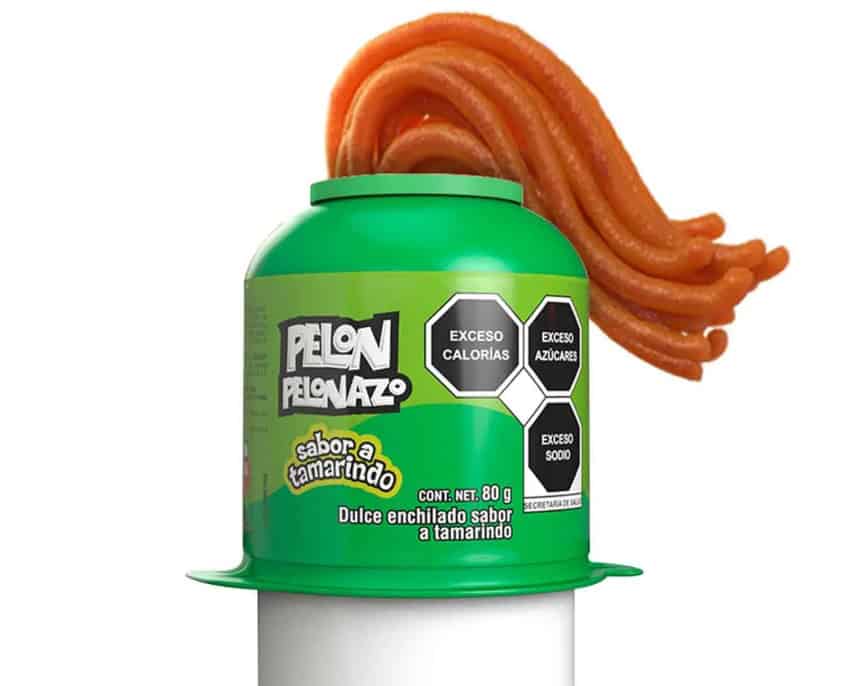
This is another favorite of pretty much every kid I know, including my daughter, and is in the tamarind candy category. Its presentation is silly: it’s a push-up goo made to look like a little green fellow’s red hair. It’s tangy and spicy, and also a little … salty? Not my bag, but it doesn’t have to be: It’s got tons of fans.
Tamarind is the featured flavor in a few other popular Mexican candies as well, like Pulparindo, which my partner calls his personal favorite. This one is just a bit heavier on the spiciness and saltiness — and it’s chewy, like a fruit roll-up. Salty fruit roll-ups, anyone? There’s also a kind of tamarind pulp sold in an actual plastic spoon to lick off!
Mazapán
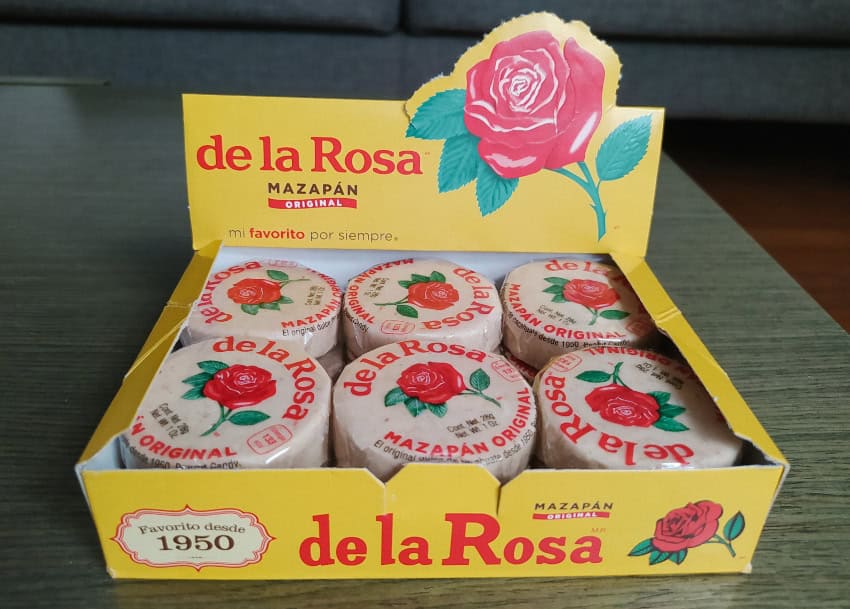
Now that we’ve talked about some of the many things they put salt and chile in, let’s move on to something, in my opinion, much tastier. Mazapán — De la Rosa is the brand — is a round disk of ground peanuts and sugar pressed together. It’s technically a solid, but it has a way of both breaking off and then melting in your mouth that’s just so satisfying.
Obleas
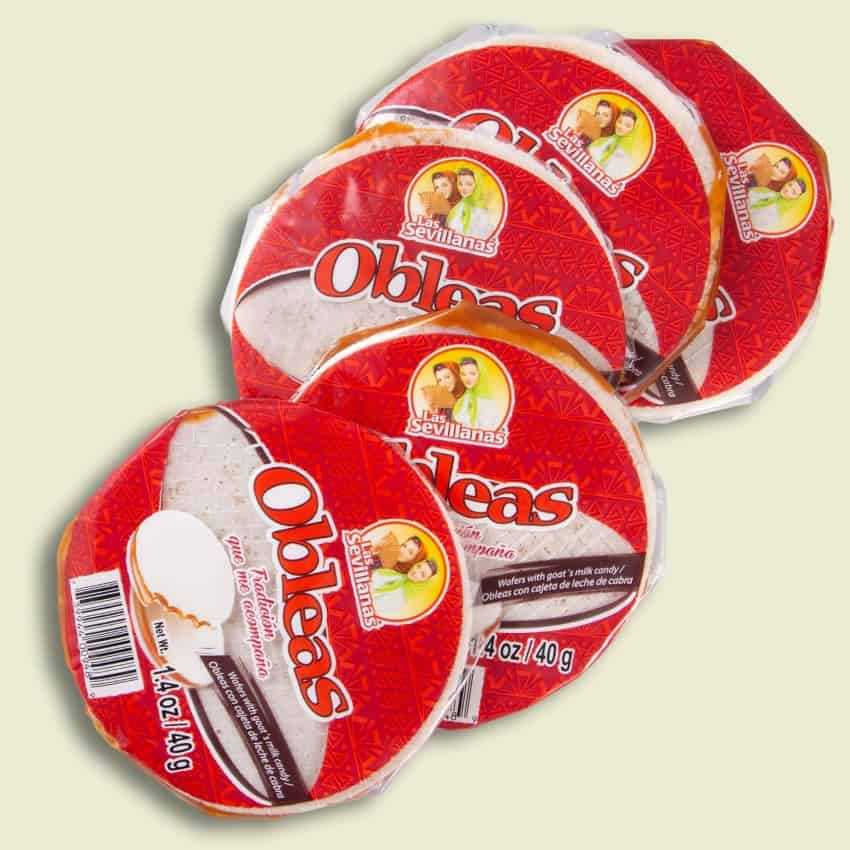
I was very confused the first time someone handed me one of these. “Are these two body-of-Christ wafers with caramel in the middle?” That’s exactly what they are.
The cream in the middle is cajeta, a gooey caramel made from goat’s milk (the similar dulce de leche is made from cow’s milk). There are also cajeta suckers, which are delicious, and rollos de guayaba filled with cajeta, which are also worth seeking out, though they can’t typically be found in a piñata. I just wanted to mention them because I love them.
Paleta payaso
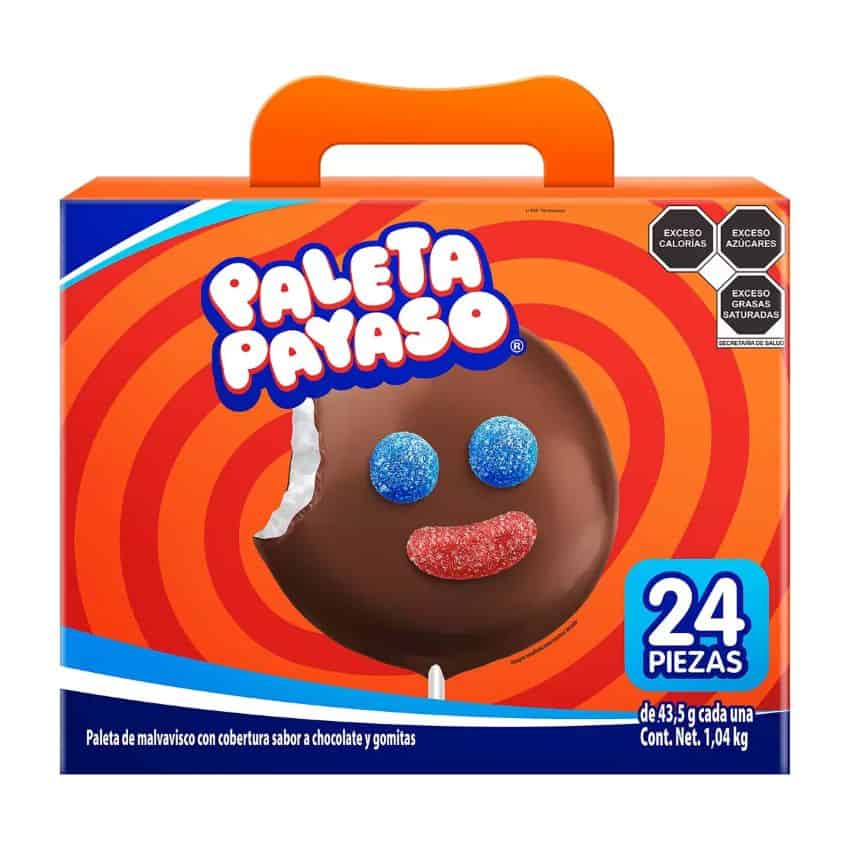
If you’re lucky, there will be a few of these in the piñata. The paleta payaso is a chocolate-covered marshmallow on a stick with a candied smiley face.
Unwrapping one is always a comical event, because the face is always misshapen. I remember frowning for a good five seconds the first time someone handed me one. But it’s pretty good.
Which Mexican candies do you like?
This article isn’t a complete list — obviously. I tried to stick mostly to things that might seem foreign to … well, foreigners.
Even after 23 years, there are some of these candies that I just don’t like: chile and salt with sweet and sour, for example, will never be okay in my book. But most candies, I do like.
So come on, out with it: What are your Mexican faves?
Sarah DeVries is a writer and translator based in Xalapa, Veracruz. She can be reached through her website, sarahedevries.substack.com.
KioskNews shows a cleaned-up reading view extracted from the publisher’s page — the original always lives on their site, not ours.