10 Greatest Wilderness Survival Movies Of All Time, Ranked

Senior Music Editor at Screen Rant, Sarah's love of sound and story drive the beat. A globetrotting brand whisperer and award-winning journalist, she’s built cross-cultural narratives around the world—but music has always been her true north. She launched DJ Mag North America, successfully introducing the iconic UK brand to the U.S. market. Previously, she carved a space for EDM inside the pages of VIBE, blending electronic and hip-hop culture long before it was trendy.
Summary
- Nature, not a villain, drives survival films: cold, hunger, injury, isolation turn beauty into danger.
- Top survival films pair believable peril with memorable characters, craft, emotion and lasting resonance.
- Styles vary: solitary ordeals, group dynamics, or communal endurance — each tests survival in different ways.
The wilderness does not need a villain monologue. Cold, hunger, injury, isolation, or one terrible decision can be enough to turn a beautiful landscape into a death trap. That premise has powered some of the greatest adventure movies ever made, but wilderness survival stories strip the formula down even further: stay alive, find a way out, and hope the environment does not win first.
Ranking them only by suffering would be easy, but that is not what “greatest” means here. Physical danger matters, as does how convincingly a movie puts its characters at the mercy of nature. The best survival movies also need memorable characters, strong filmmaking, emotional weight, rewatchability, and enough staying power to remain part of the conversation years later.
That leaves room for very different kinds of survival. Some movies trap a single person hundreds of miles from help. Others strand groups who quickly discover that fear, exhaustion, and desperation can be every bit as dangerous as the landscape around them. The most effective can be as tense as the most suspenseful Western movies without needing a traditional villain at all.
These 10 movies represent wilderness survival at its best, from true stories of impossible endurance to fictional nightmares that make staying home seem like an excellent idea.
10 The Edge
Released in 1997, The Edge pairs Anthony Hopkins with Alec Baldwin and gives them two problems: the Alaskan wilderness and each other. Hopkins plays billionaire Charles Morse, whose seemingly useless storehouse of trivia suddenly becomes extremely useful after a plane crash strands him far from civilization with photographer Robert Green and their companions.
Screenwriter David Mamet gives the movie considerably more going on than its famous man-versus-bear setup suggests. Charles suspects Robert may want him dead, meaning every survival decision doubles as a question of trust. Other movies on this list offer more realistic ordeals or greater emotional weight, but few combine old-fashioned adventure, psychological tension, and one extremely persistent Kodiak bear quite this entertainingly.
9 Arctic

Mads Mikkelsen barely needs dialogue to carry 2018's Arctic. His stranded pilot, Overgård, has already settled into a disciplined survival routine when the movie begins: fishing beneath the ice, maintaining a distress signal, rationing supplies, and waiting for rescue that may never arrive.
Director Joe Penna keeps the story deliberately spare, which makes tiny decisions unexpectedly consequential. A failed rescue leaves Overgård responsible for another injured survivor, forcing him to choose between relative shelter and an extraordinarily dangerous journey toward possible help. Arctic ranks lower only because its minimalism limits its scope, but as a pure demonstration of survival problem-solving, it is one of the sharpest movies here.
8 Into The Wild

Sean Penn's 2007 adaptation of Jon Krakauer's book stars Emile Hirsch as Christopher McCandless, a recent college graduate who gives away his savings and leaves conventional life behind. After traveling across America, McCandless eventually heads into the Alaskan wilderness looking for the freedom he believes modern society cannot provide.
That choice makes Into the Wild different from almost every other entry. McCandless is not stranded by a crash or freak accident; he actively wants to disappear. Penn allows that freedom to feel intoxicating before exposing the limits of McCandless' preparation. The movie ranks here because its idea of survival is inseparable from its tragedy: loving the wilderness is not the same thing as knowing how to live in it.
7 Alive

Frank Marshall's 1993 film dramatizes one of the most extraordinary survival stories of the 20th century. Ethan Hawke, Vincent Spano, and Josh Hamilton are among the ensemble portraying passengers aboard Uruguayan Air Force Flight 571, which crashed high in the Andes in October 1972. Of the 45 people aboard, only 16 ultimately survived.
That context is what makes Alive much more than "the cannibalism movie." The survivors endure freezing temperatures, catastrophic injuries, an avalanche, starvation, and eventually the news that official rescue efforts have been called off. Eating those who had died becomes one terrible decision among many. Later movies have told the story with greater nuance, which keeps Alive from ranking higher, but its scale and accessibility helped turn the Andes disaster into one of cinema's defining survival stories.
6 The Grey

The marketing for The Grey made Liam Neeson fighting wolves look like the main attraction. Joe Carnahan's survival thriller is considerably more somber than that description suggests. Neeson plays John Ottway, a marksman protecting Alaskan oil workers who survives a plane crash only to find himself leading a shrinking group through freezing territory occupied by wolves.
What distinguishes The Grey is Ottway himself. He enters the story already contemplating whether life is worth continuing, only for survival to demand every ounce of his attention. The wolves provide immediate danger, but the movie is really about men confronting death while deciding whether to keep moving anyway. It ranks above the more stripped-down survival movies because the physical ordeal and Ottway's emotional one are impossible to separate.
5 127 Hours
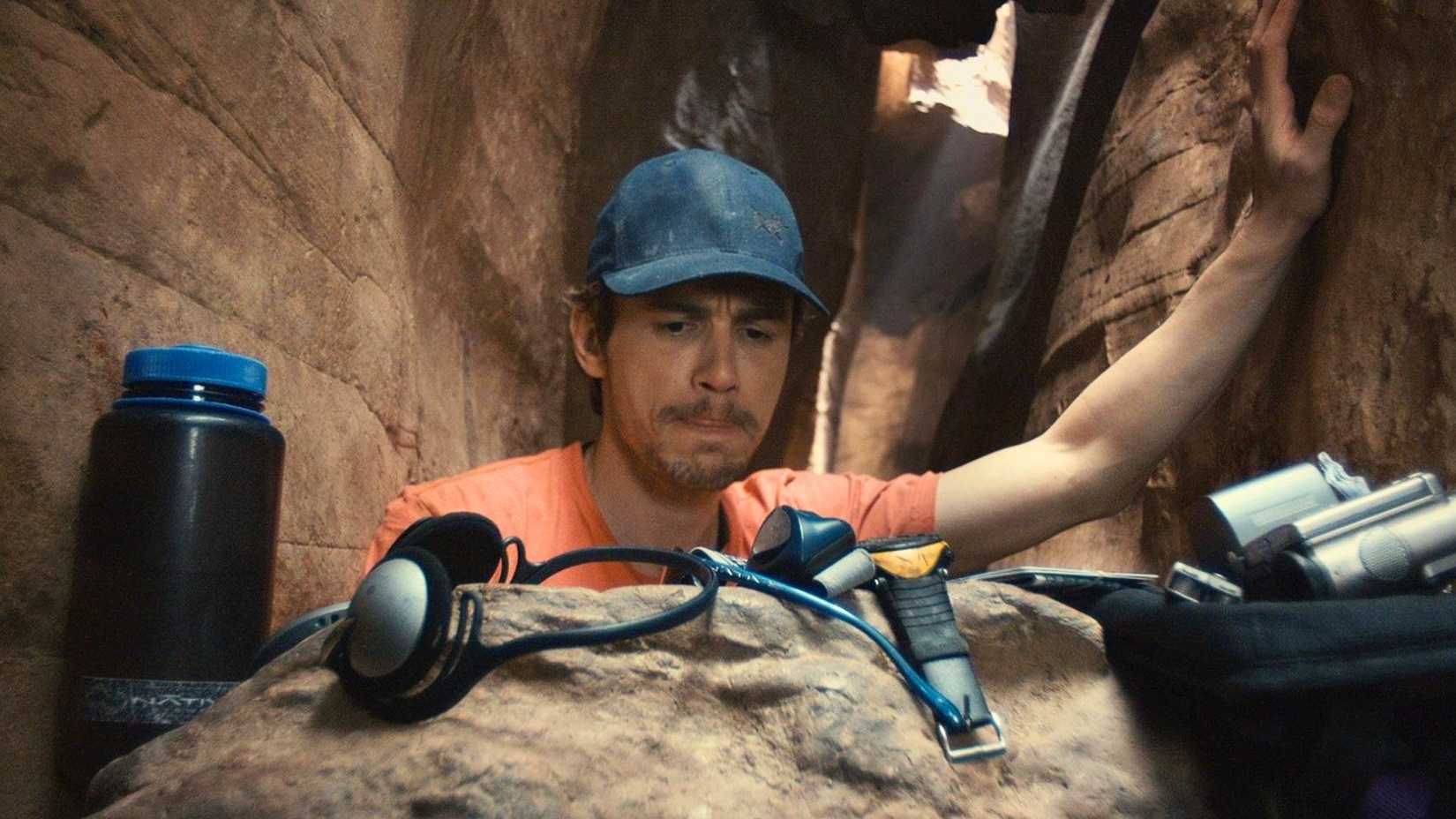
Danny Boyle faced a strange challenge with 2010's 127 Hours: audiences already knew how Aron Ralston escaped. James Franco plays the real-life mountaineer who became trapped alone in Utah's Bluejohn Canyon after a falling boulder pinned his arm against the rock for more than five days.
Boyle refuses to let the physical limitations make the movie static. Hallucinations, memories, video messages, and Franco's increasingly desperate performance turn a tiny section of canyon into an entire world. Franco earned an Academy Award nomination for the role, but the movie's greatest achievement is making Ralston's eventual act of self-amputation feel neither sensationalized nor inevitable. Few survival movies communicate the mental work required to stay alive this well.
4 Society Of The Snow


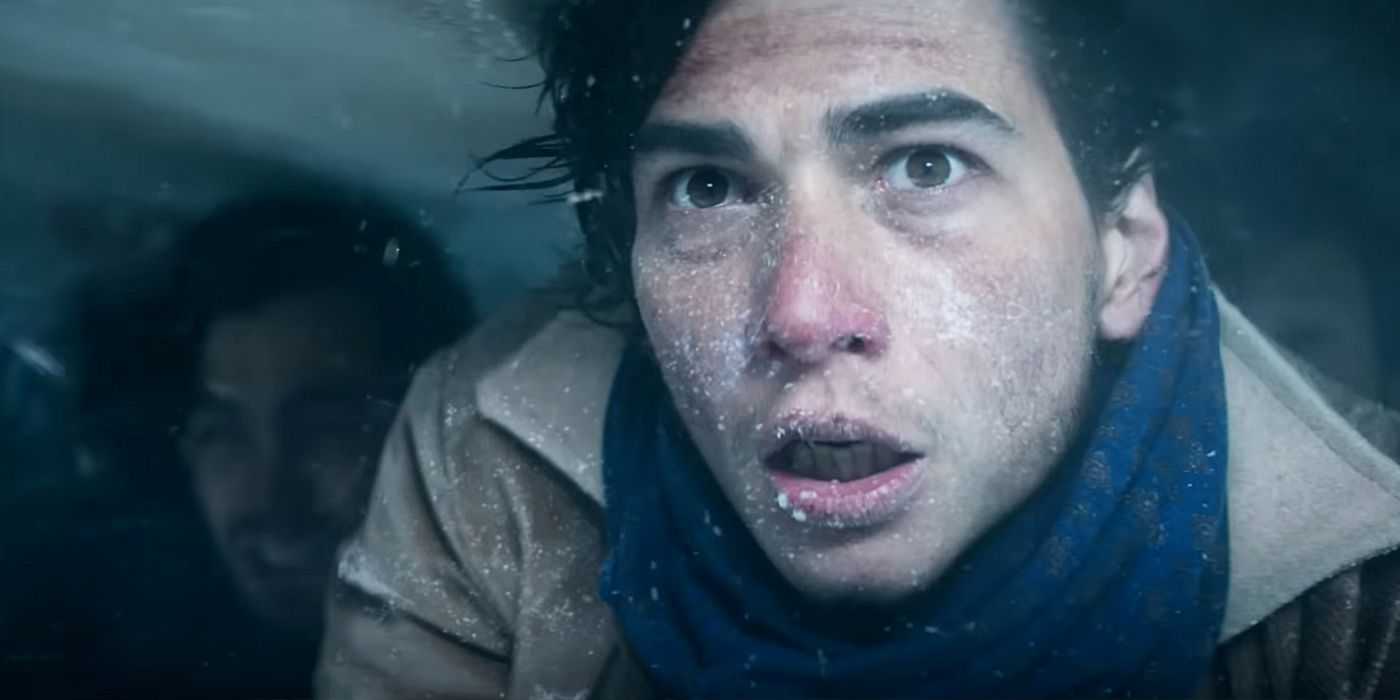
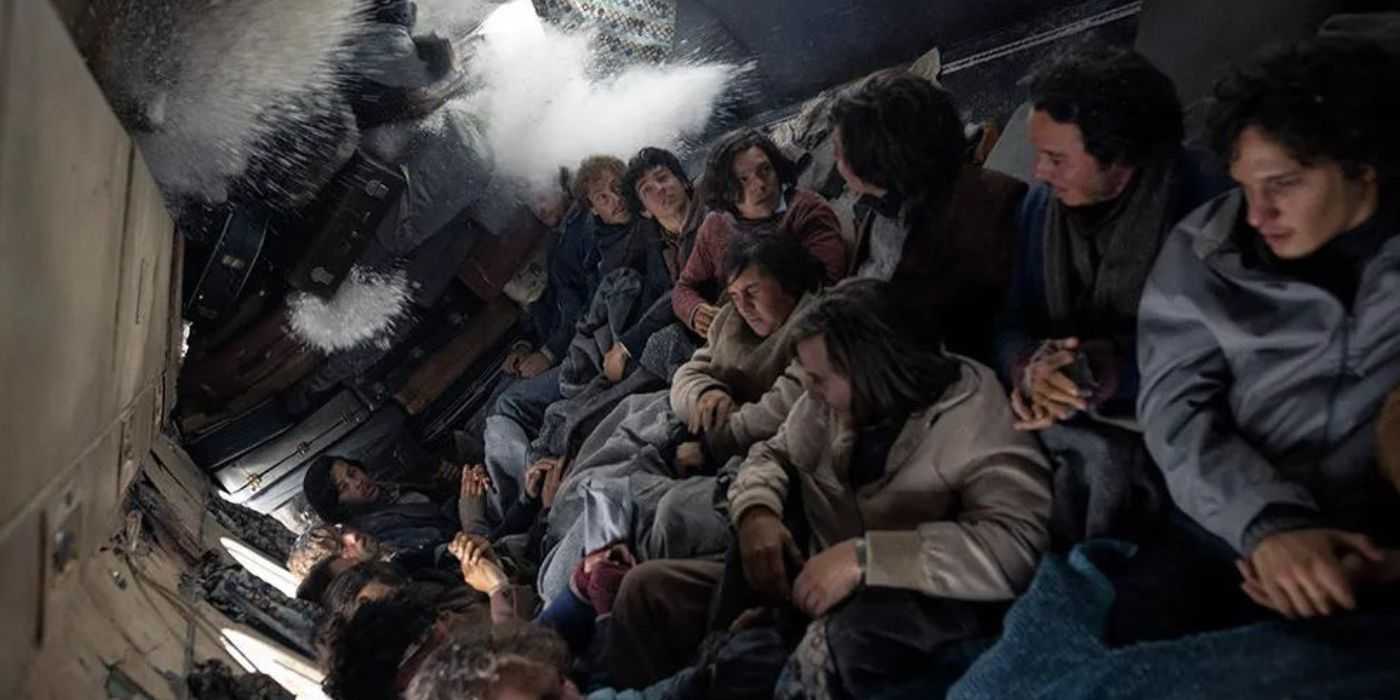
J.A. Bayona's 2023 Society of the Snow revisits the same Andes crash depicted in Alive, but the difference between the two movies is substantial. Bayona cast predominantly Uruguayan and Argentine actors and places the group, rather than one conventional protagonist, at the center of the story.
That approach changes everything. The people who die remain present in the narrative instead of becoming anonymous casualties, making the survivors' decision to consume their bodies considerably more painful. The cold, avalanche, hunger, and altitude are terrifying, but Society of the Snow earns its high ranking because survival is shown as something communal. People live because others keep them alive.
3 Deliverance
John Boorman's 1972 Deliverance stars Jon Voight, Burt Reynolds, Ned Beatty, and Ronny Cox as four Atlanta businessmen taking one last canoe trip down a Georgia river before the area is flooded by a dam. It begins as recreation and becomes one of the most disturbing wilderness trips in American cinema.
The infamous encounter with local men understandably dominates the movie's reputation, but the river becomes every bit as threatening once the survivors attempt to get home. Deliverance ranks this high because its influence stretches far beyond the survival genre. It dismantled the fantasy of civilized men proving themselves against nature and helped establish a template countless backwoods thrillers would imitate. More than 50 years later, taking a casual weekend canoe trip still looks like a terrible idea afterward.
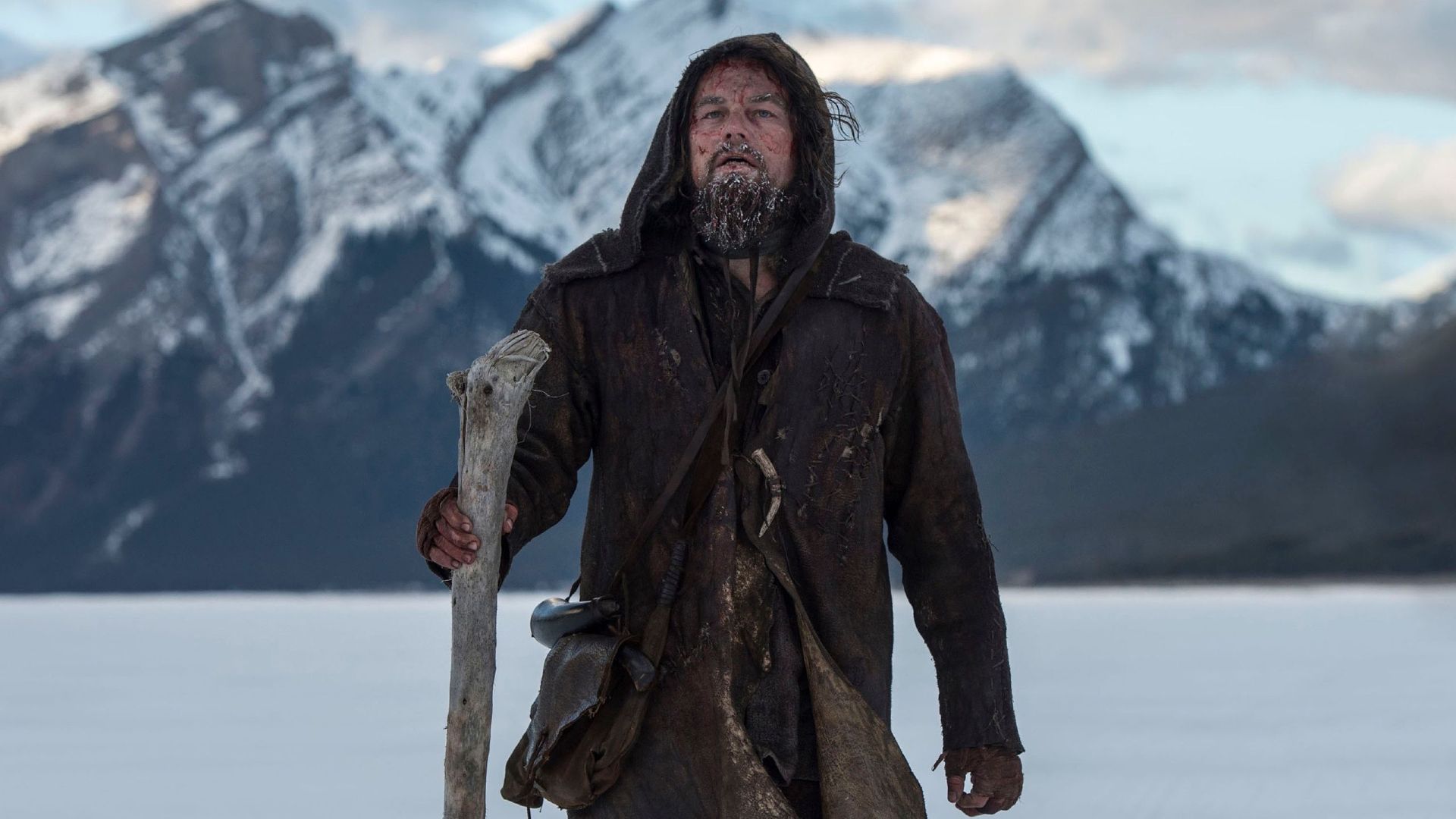
2 The Revenant


Alejandro G. Iñárritu's 2015 epic makes Hugh Glass' survival feel almost physically exhausting to watch. Leonardo DiCaprio plays the 19th-century frontiersman who is mauled by a bear, abandoned, and left for dead before dragging himself across the frozen American wilderness in pursuit of the man responsible.
DiCaprio finally won his first Academy Award for the performance, while Emmanuel Lubezki's natural-light cinematography makes the landscape breathtaking without ever making it welcoming. Glass crawls, freezes, starves, and improvises increasingly desperate ways to remain alive. The Revenant would probably top a ranking based solely on physical endurance, but "greatest" requires something more niche, such as Screen Rant's Most Suspenseful Western movies ranking. It is extraordinary filmmaking, though not exactly the survival movie most people will casually throw on again Sunday afternoon.
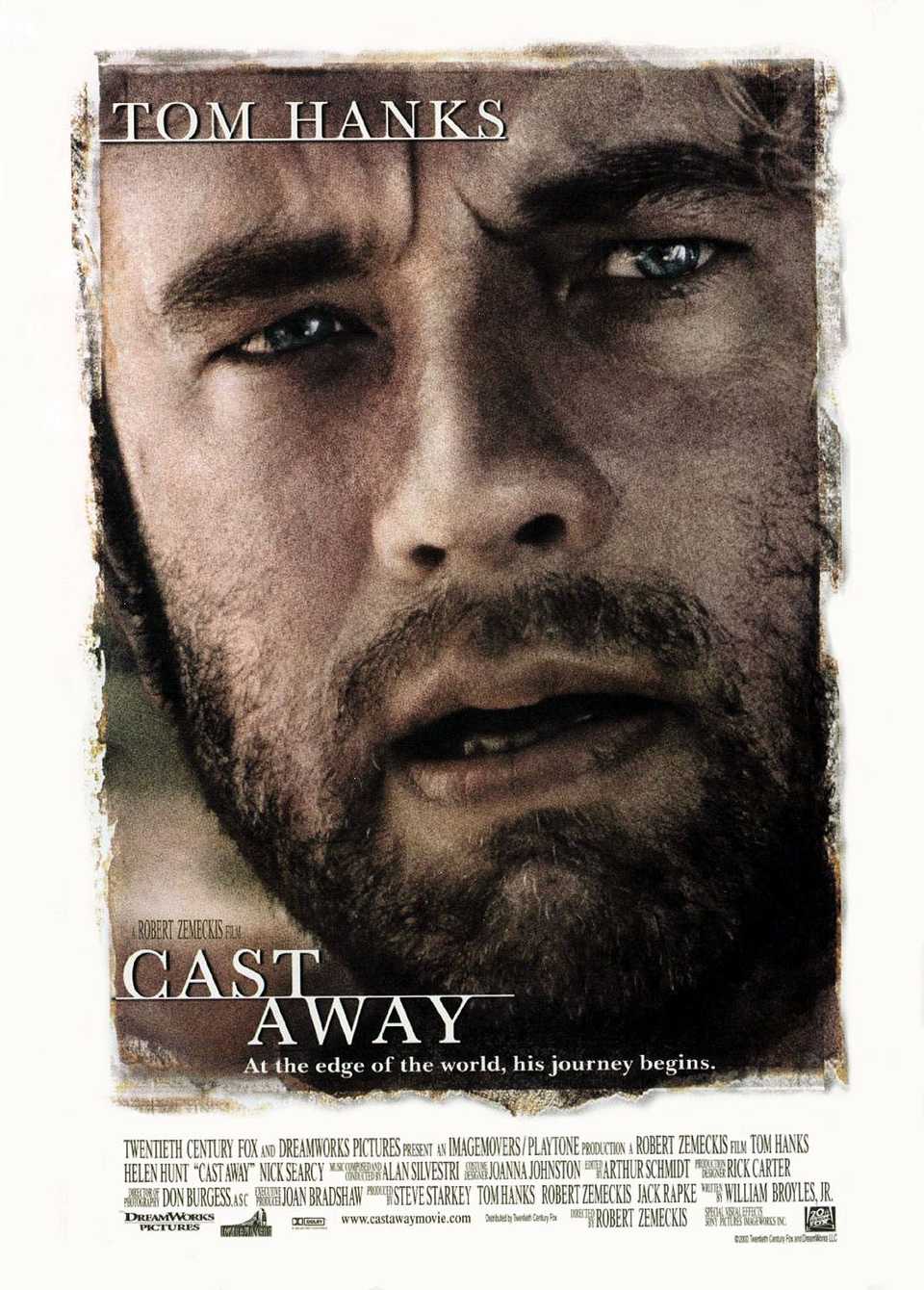
1 Cast Away

Robert Zemeckis' Cast Away takes the simplest survival premise on this list and makes it universal. Released in 2000, the movie strands Tom Hanks' FedEx executive Chuck Noland on an uninhabited Pacific island following a plane crash. For long stretches, one of Hollywood's biggest stars has nobody else to act opposite.
The details made Cast Away iconic. Starting a fire becomes a victory. A toothache becomes dangerous. A volleyball named Wilson somehow becomes one of the movie's most emotionally important characters because loneliness creates needs that food and shelter cannot satisfy. Hanks earned an Oscar nomination, and Wilson entered popular culture in a way few survival-movie props ever have.
Most importantly, Cast Away keeps going after Chuck escapes. Survival has cost him years, his relationship, and the life he expected to return to. That final act is why it edges out The Revenant. The wilderness ordeal is gripping, but Cast Away understands that staying alive and getting your life back are not necessarily the same thing. It is brutal enough to belong in the genre, accessible enough to reach almost anyone, and memorable enough that more than 25 years later, a bloody handprint on a volleyball still needs no explanation.
- Release Date
- December 22, 2000
- Runtime
- 143 minutes
- Director
- Robert Zemeckis
- Writers
- William Broyles Jr.
- Producers
- Jack Rapke, Steve Starkey, Robert Zemeckis, Tom Hanks
KioskNews shows a cleaned-up reading view extracted from the publisher’s page — the original always lives on their site, not ours.