PROMISED LAND: Title deeds may be key to unlocking SA agriculture’s full potential
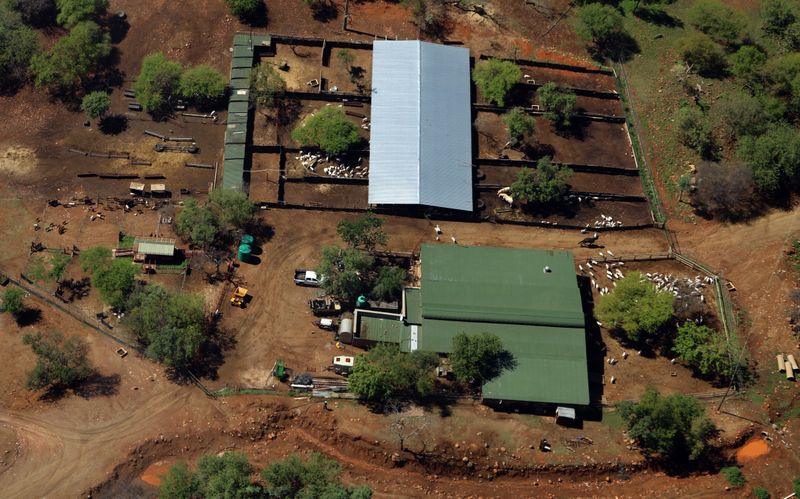
South Africa’s agriculture is entering a period of change, which may bring shared prosperity. For some time, we have talked about the country having “two agricultures”: one commercially oriented and white, and one resource-poor, smallholder and black.
South Africa’s land history largely explains these disparities, but inefficiencies in land reform have also compounded them.
The South African government has acquired land in the open market over the years but hasn’t successfully transferred it to deserving black farmers with title deeds.
Farmers have typically received short-term leases, which hindered their agricultural possibilities. But this is changing. The government is now releasing the state land with title deeds.
Speaking in Stutterheim in Eastern Cape on 8 October 2026, President Cyril Ramaphosa underscored the point that the state-owned land would be transferred to beneficiaries with title deeds.
This was a build-up to the message the President has already underscored on 2 June 2026, when he delivered the Presidency’s Budget Vote speech, which carried vital messages for the long-term growth of South Africa’s agriculture.
Productive land
Among other things, the President stated that “access to productive land is essential to grow our agricultural output further, create jobs and lift people out of poverty. Over time, the government has acquired around 2.5 million hectares of land under the Proactive Land Acquisition Strategy programme”.
He further stated that “this land has generally been leased to beneficiaries on a short-term basis, which limits their ability to borrow money, invest in the land, grow agricultural production and contribute to the rural economy”.
We concur and believe the lack of title deeds has been the major constraint to inclusive growth in South Africa’s agriculture. With the President now signalling the start of the title-deeds release process, we may start to see some positive action to grow the sector.
The President further stated that “as part of our efforts to revitalise rural economies, to strengthen land rights and support the inclusion of black farmers in commercial agriculture, we have embarked on a concerted programme to release this land with title deeds to deserving beneficiaries. The Minister of Land Reform and Rural Development will outline the details of the programme to convert agricultural leases to title deeds.”
Essentially, this step is fundamental to achieving the goals outlined in Chapter 6 of the National Development Plan (NDP) and, thereafter, in the Agriculture and Agro-processing Master Plan (AAMP). Both documents highlighted the sector’s potential to grow and create new jobs. In fact, the NDP indicates that the sector and its value chain could create close to a million new jobs.
Title deeds open up job opportunities
Part of the prerequisites for those jobs was through strengthening land rights and allocating the land in the government’s books to the deserving beneficiaries. Over time, South Africa’s primary agriculture sector has delivered jobs, from 718,000 at the end of 2012, when the NDP was published, to 960,000 in the first quarter of 2026. The sector’s value chain also created employment during this period.
Still, these job gains were far below the nearly million jobs the NDP envisaged in the sector and its value chain.
One constraint on job gains was the slow progress in releasing land with title deeds. Now that the President has directed the release of this land with title deeds, we see greater opportunities for growth and job creation in the sector.
The Department of Land Reform and Rural Development has heeded this call and is now releasing this land.
Essentially, releasing the land will be a powerful step towards boosting inclusive growth in agriculture. This land is also key to ensuring we finally make progress in implementing the AAMP.
Importantly, organised agriculture, labour and agribusinesses, among other key stakeholders, will continue to play a role in boosting inclusive growth in the sector, having helped draft the AAMP.
In essence, agriculture remains one of the sectors of our economy with potential for growth and job creation. The President’s important step to strengthen land rights is key to realising this vision and supporting the rural economies.
Importantly, this also signals that property rights are intact in South Africa and that investment in farming is protected. DM
Wandile Sihlobo is the Presidential Envoy on Agriculture and Land. He is also the chief economist of the Agricultural Business Chamber of South Africa and a senior research fellow in the Department of Agricultural Economics at Stellenbosch University.
KioskNews shows a cleaned-up reading view extracted from the publisher’s page — the original always lives on their site, not ours.