India seeks to be ‘a little bit more involved’ in ending Ukraine war: minister
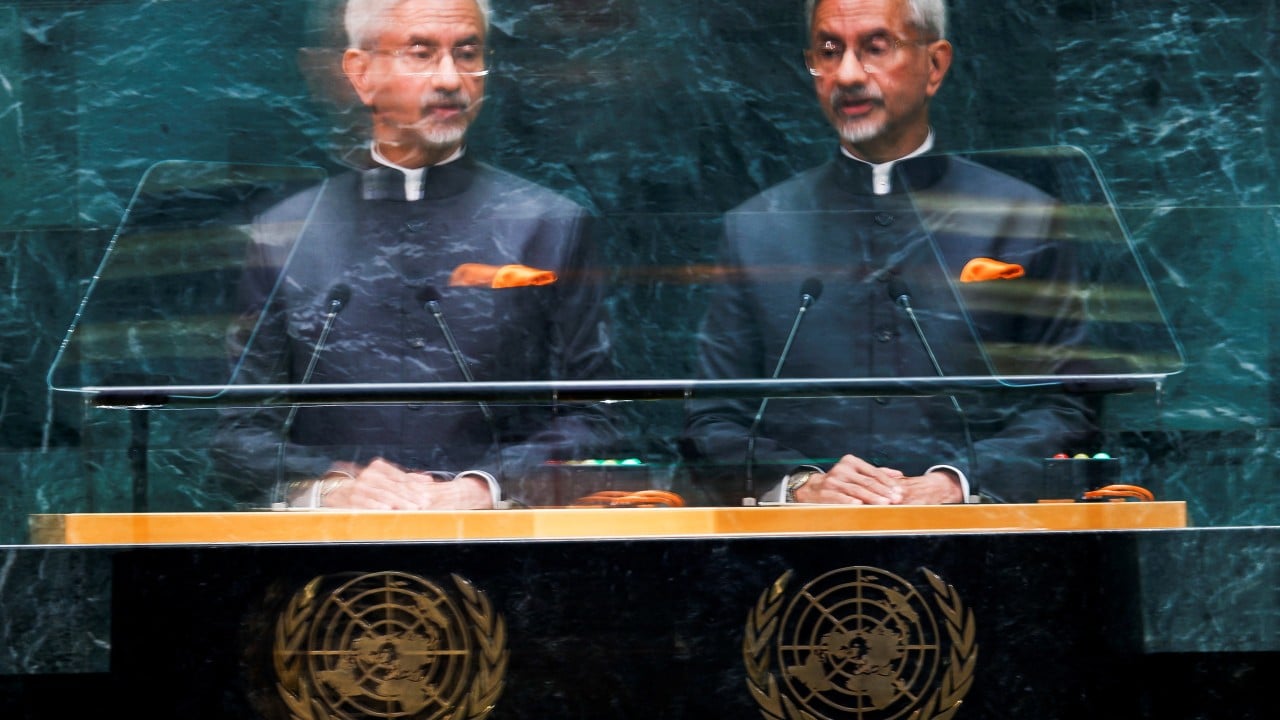
India is taking a more direct role in efforts to end the conflict between Russia and Ukraine, engaging both sides on issues including shipping and reducing hostilities, Minister of External Affairs S. Jaishankar has said.
Speaking at a security conference over the weekend, Jaishankar said India in recent months has become “a little bit more involved beyond advocacy”.
The comments point to a more active role for New Delhi after years of taking a cautious approach to the war, in part because of its long-standing ties with Russia.
“We have conversations with both Russia and Ukraine in this regard. We are trying to be helpful, starting with the Black Sea safety of shipping issue,” he said, adding that talks have also covered energy shipments and “non-attack possibilities”.
India has called for a halt to the fighting but has been reluctant to criticise the Kremlin, abstaining from United Nations votes condemning the war.
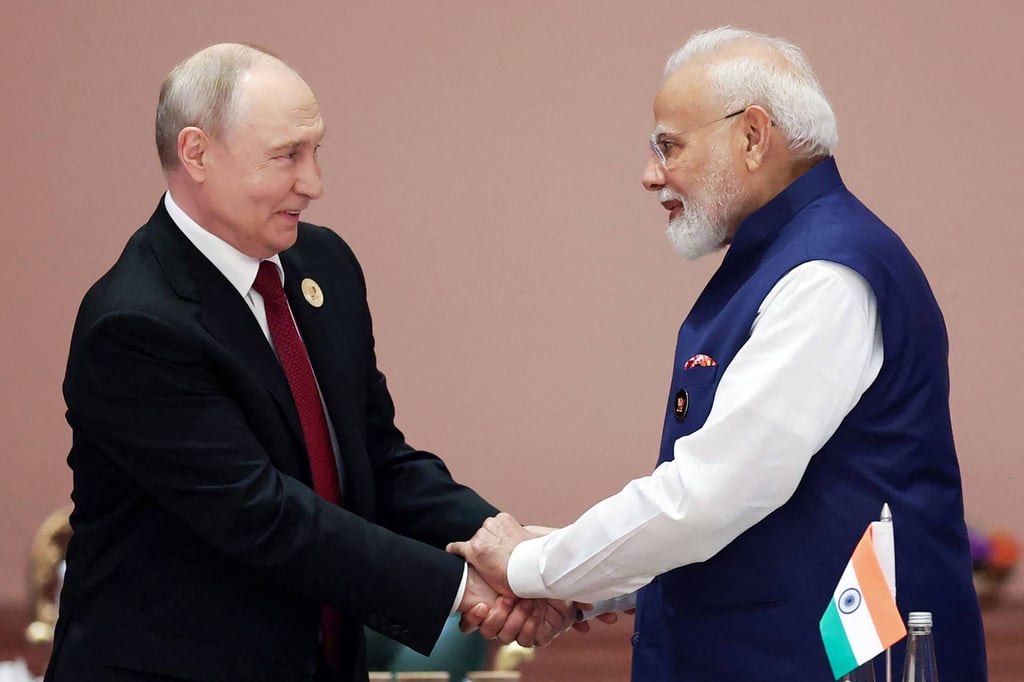
Prime Minister Narendra Modi called on Russian President Vladimir Putin to end the conflict during a meeting on the sidelines of the Shanghai Cooperation Organisation summit in Kyrgyzstan in late August.
Jaishankar said dialogue and diplomacy were essential to ending the war. He added that India’s relationship with Russia had evolved over the years and now spanned energy, space and trade.
When Modi met Putin on the sidelines of the Brics summit last month, the two pledged to deepen ties, underscoring their close relationship even as Washington pressed Delhi to distance itself from Moscow.
The US has sought to use its position as India’s top trading partner to pressure Delhi to stop buying Russian oil. India’s purchases initially declined before picking up again during the Middle East war.
Russia is also a major supplier of weapons to Delhi. The Indian military has hundreds of Russian-made fighter jets, as well as several S-400 air-defence systems that were used during the four-day conflict with Pakistan in May 2025.
KioskNews shows a cleaned-up reading view extracted from the publisher’s page — the original always lives on their site, not ours.