U.S., Canada nearing trade deal as negotiations gain momentum, Hassett says
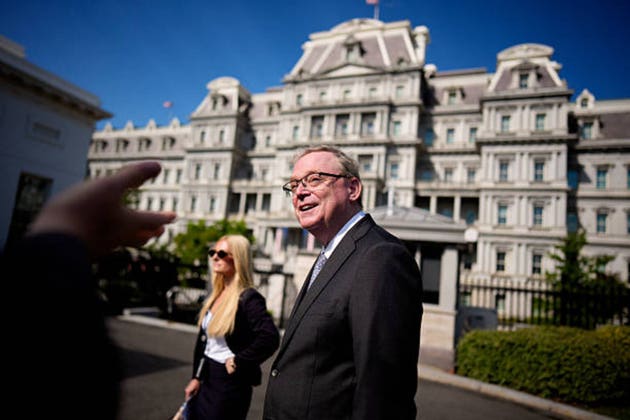
Andrew Harnik/Getty Images News
Trade negotiations between the United States and Canada are accelerating, with White House economic adviser Kevin Hassett suggesting the two countries are approaching an agreement that could ease months of escalating tariffs and economic tensions.
The discussions are “gathering steam,” Hassett said in an interview with Fox News. Commerce Secretary Howard Lutnick has been in contact with Canadian officials throughout the past week, and the two sides are “very close to finally having a deal,” Hassett said.
For investors, an agreement could reduce uncertainty surrounding North American supply chains and ease cost pressures on manufacturers, automakers and agricultural businesses. Companies with substantial cross-border operations have faced higher tariffs, disrupted trade flows and questions about the future of the U.S.-Mexico-Canada Agreement, or USMCA.
The dispute began shortly after President Donald Trump returned to office in January 2025. Trump imposed tariffs on Canadian imports, citing concerns about border security, fentanyl trafficking and trade imbalances. Canada retaliated with duties on American products, triggering a series of escalating trade measures.
Tensions intensified in August when the Trump administration imposed additional 50% tariffs on roughly $20 billion worth of Canadian goods, citing what it described as discriminatory treatment of American exports of vehicles, dairy products and alcoholic beverages. Canada responded with retaliatory tariffs on approximately $20 billion of U.S. products in September.
The latest developments follow the collapse of negotiations over the summer, when both governments accused the other of making unacceptable demands. On Friday, Trump modified the list of Canadian products subject to the additional tariffs, with changes scheduled to take effect Oct. 30.
Hassett attributed earlier difficulties in reaching an agreement to Canadian political developments, including elections and a vote concerning Alberta's possible separation from Canada. Those circumstances had made negotiations “impossible,” he said.
The renewed talks also come amid uncertainty surrounding the USMCA, which Trump negotiated during his first presidency to replace the North American Free Trade Agreement. His administration declined to renew the agreement in its existing form earlier this year, seeking changes to trade rules governing the three countries.
Trump said Friday that Canada was working aggressively toward an agreement, although neither government has announced final terms. Any breakthrough could provide relief to businesses facing tariff-related expenses, but the scope and timing of potential tariff reductions remain uncertain.
KioskNews shows a cleaned-up reading view extracted from the publisher’s page — the original always lives on their site, not ours.