Why you could pay income tax on your state pension even if the triple lock ends

The state pension is set to rise by £489 next year– but may drag pensioners into paying tax.
The new amount means the total income for someone receiving a full state pension will now be above the tax-free personal allowance for the first time.
That means some people may have to pay tax on the income they receive. The extra amount also paves the way for further discussion on ending the triple lock, which is forecast to cost more than £15.5bn by 2030.
So who has to watch out for tax obligations – and who should review their position now before the rise kicks in?
What is the tax-free personal allowance?
The tax-free personal allowance threshold is £12,570 per financial year. Anything below that is not taxed but any extra income above that level means you become (at least) a basic-rate taxpayer, with 20 per cent tax typically due on your income.
A full state pension is projected to hit just over £13,036 next year, meaning someone who receives the full amount would be over that limit even without any other kind of income.
That doesn’t automatically mean they’ll have to pay tax, however.
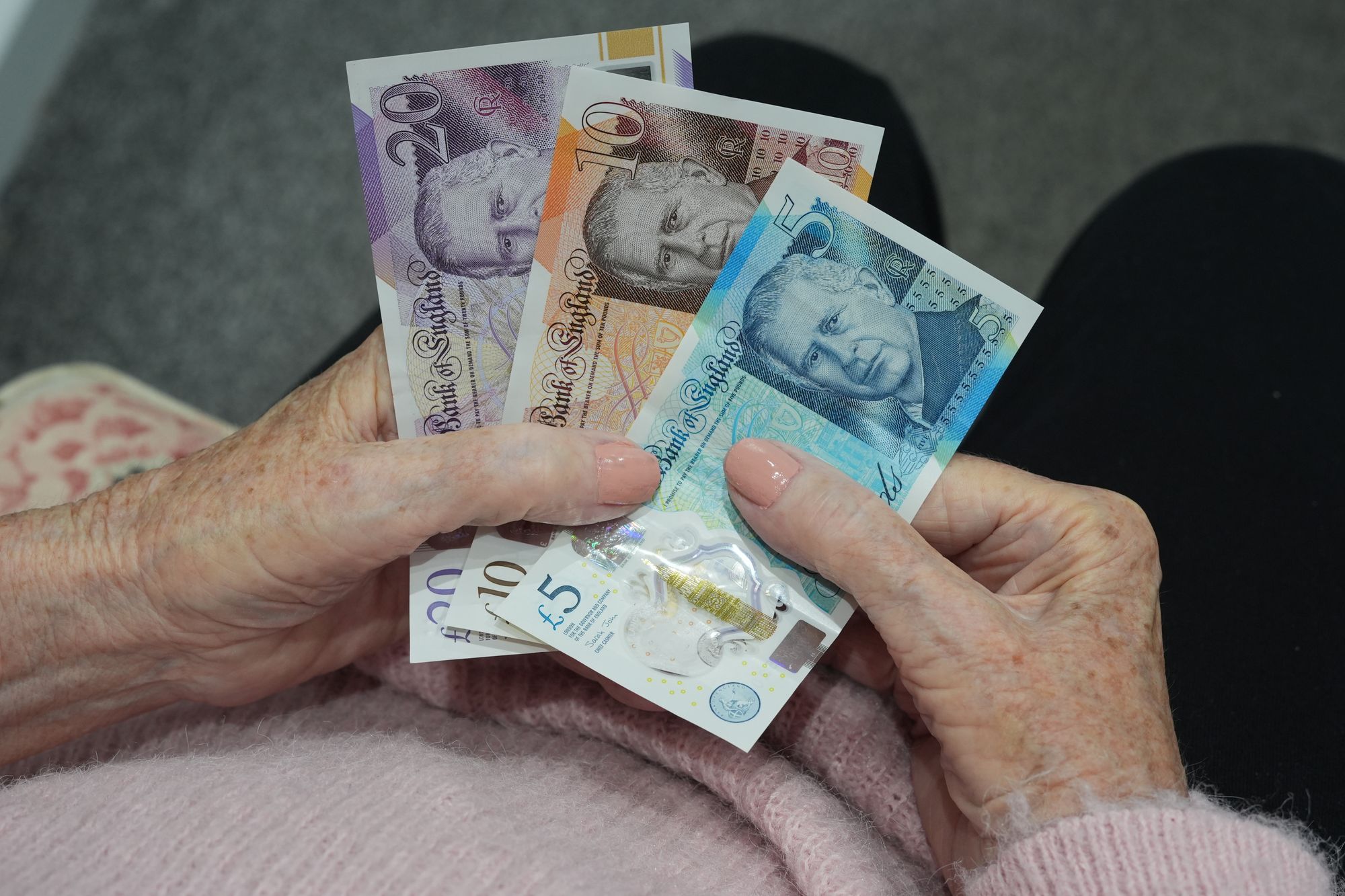
What exemptions are there?
Last year, then-chancellor Rachel Reeves stated that anyone relying on the state pension as their sole income would not have to pay income tax on it, even if it rose above the personal allowance threshold.
Ms Reeves said the Treasury would not chase up “tiny amounts” and ask pensioners to pay up. Initial projections suggest around £93 in tax would otherwise have been owed by a basic rate taxpayer on the full state pension amount.
There is expected to be a new rule or process in place for 2027/28, but details are scare so far.
What else has the government said?
Speaking on BBC Breakfast, business secretary Jonathan Reynolds wouldn’t rule out changes or whether pensioners would be taxed, noting “that is for the Chancellor and for a Budget.”

Get a free fractional share worth up to £100.
Capital at risk.
Terms and conditions apply.
Go to websiteADVERTISEMENT
Get a free fractional share worth up to £100.
Capital at risk.
Terms and conditions apply.
Go to websiteADVERTISEMENT
“The majority of pensioners in this country don’t just rely on the state pensions. Some do, I accept that, but the majority don’t,” he said.
“So I think sometimes when this is looked at, we’re focusing just on the state pension side of this. You’ve got to consider the full range of income retired people in the UK have, living the good lives they deserve in their retirement.
“A pension is income, and of course, the vast majority of people in Britain have their own private pension provision alongside the state pension.
“So this wouldn’t be a substantial change for them. They’d already certainly received an income in that case above the personal allowance.
“Now, any changes to personal allowances to tax rates, you know, I’m going to say, take place in the Budget. That’s on the 28 October. But I do think sometimes when we talk about this, and of course the government’s commitment to the triple lock means that that’s the reason we’re seeing significant increases in the state pension.”
What counts as additional income?
There are lots of types, and essentially the answer at present is any other kind at all: interest from savings, dividends from investments, rental income, private pensions or ongoing employment will all count.
Therefore, if pensioners have any of those and the full state pension is supplementary for them, it’s likely they’ll pay tax.
If the state pension rise would push someone from basic to higher rate taxpayer alongside their other income, it’s worth revisiting how they can restructure or plan to ensure they stay under the £50,270 threshold overall.
What could still change?
With the Budget coming up next month, there is still scope for Andy Burnham or chancellor John Healey to make some changes which come into effect for April next year.
One such example is a potential rise of the personal allowance threshold – an early consideration when Burnham took power, before it was revealed that it would cost the Treasury around £5bn to uplift the allowance by less than £500 – equating to only about a £96 saving on tax due a year.
There is also increasing speculation that the triple lock itself could be removed or changed in future parliaments, which would halt the speed at which the overall cost to the government to fund the state pension is going up.
More likely is we get a more fulsome explanation of how the new rules for state pension income-only individuals will work.
Claire Trott, head of advice at St. James’s Place, says taking action sooner rather than later is key to planning your financial position.
“While many pensioners will welcome the boost, this will take the full new State Pension above the £12,570 Personal Allowance for the first time, by around £466.
“With this in mind, it is worth reviewing your overall income and tax position to understand how this increase could affect you and avoid being caught out by an unexpected tax bill later down the line,” she said.
KioskNews shows a cleaned-up reading view extracted from the publisher’s page — the original always lives on their site, not ours.