Iron cage beds at elderly home in Thailand fuel anger, owner defends ‘innovation’
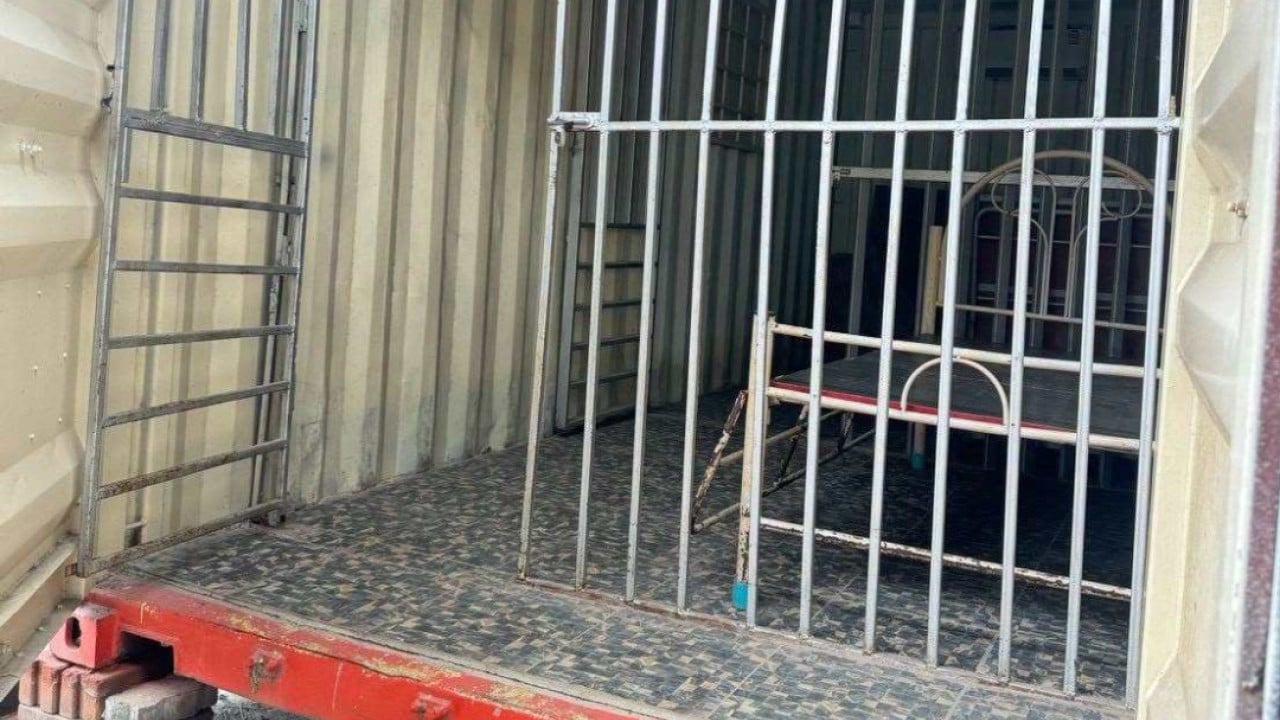
A care scandal has erupted in Thailand after a nursing home was exposed for confining old and sick residents in beds covered by iron cages with barely a foot of space above their heads.
Images of bedridden patients at the Sothornchai Nursing Home in Kanchanaburi, western Thailand, have shocked Thais since they were shared earlier this week on the television current affairs show Hone Krasae.
Thailand is projected to be a super-ageing society in the coming years, with authorities warning of a care crisis and a shortage of money to meet the complex needs of the elderly.
A 63-year-old whistle-blower who spoke to Hone Krasae said she was held for over two years at the facility after she was taken there against her will by her son and daughter-in-law, both of whom were seeking control of her cosmetics business.
It prompted an inspection of the nursing home by health officials who issued damning findings about standards in the overcrowded home, saying they would close down the facility and consider bringing charges against the owner.
The home was licensed to house 50 beds but had more than double that number and kept residents with physical ailments, dementia and complex psychiatric needs, according to a statement by the Department of Health Service Support released on Tuesday.

Describing horrific conditions including “rooms with iron bars that could be locked from the outside”, the statement said beds “had been modified with additional iron structures resembling cages to enclose and confine the service recipients in another layer”.
Psychiatric patients had been illegally admitted to the nursing home, which was not registered as a medical facility and ill-equipped to deal with their needs, it added.
Ying Pornsermsiri, the facility’s owner and a former nurse, defended the use of the bed cages, telling reporters on Wednesday that it was for the protection of the residents.
“Had I not put up the cage on their bed like this, these patients would have fallen. They’re incoherent, they don’t know what they’re doing, they would climb all day long,” she said, according to local media reports.
In later comments, she doubled down on the use of the cages as an “innovation” in the care sector, seemingly impervious to the anger felt among the Thai public upon seeing the images of frail elders inside the cages.
Thailand is the second-fastest ageing nation in Southeast Asia after Singapore.
Thirty per cent of Thais are expected to be elderly – or aged 60 and over – by 2035, according to the World Bank, although Thai authorities say that marker could be reached earlier.
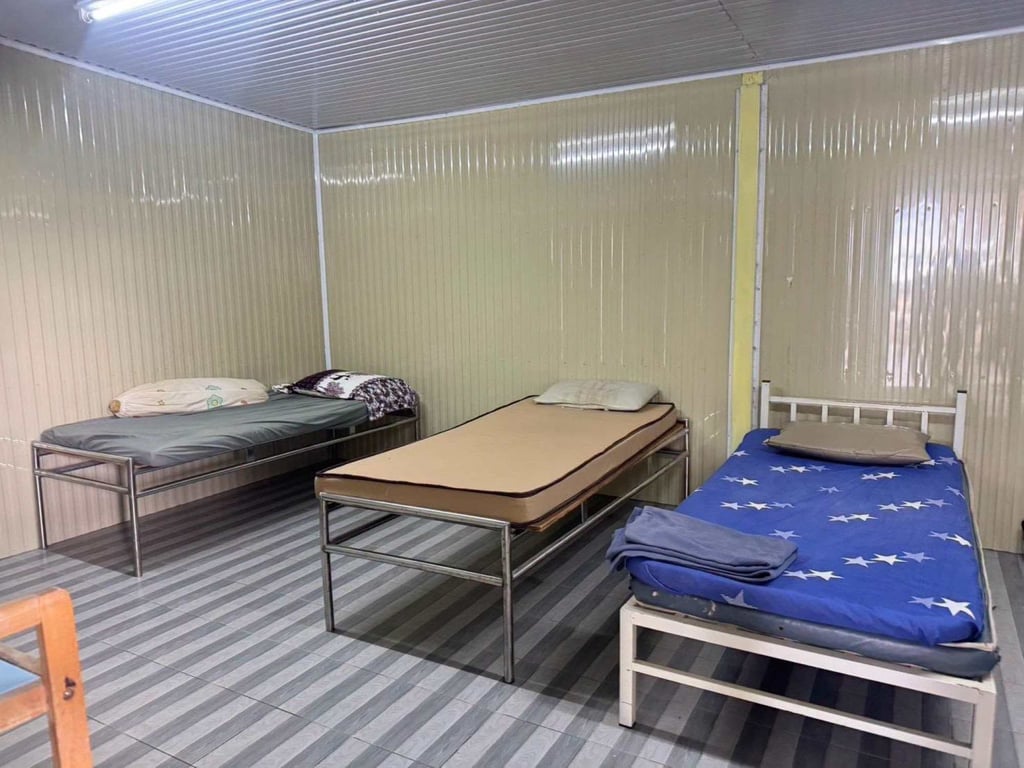
Facing a labour crunch and spiralling care costs, successive governments have outlined various strategies to cope with the demographic crisis. But they have faced a shortage of funds to pay for pensions, hospices, long-term nursing and medical care.
At the same time, Thailand is trying to draw wealthy foreigners from China, Japan, Europe and the US as it positions itself as a global hub for retirement and nursing homes with its trained medical staff, modern care facilities and hospitals.
“We’re seeing more quality nursing homes for the elderly emerging, but ordinary people can’t access them,” Ekkapop Sittiwantana, a palliative care expert and an MP for the opposition People’s Party, told This Week in Asia.
“We have the personnel, but we don’t have the budget. We don’t have a long-term care system. The additional funding would have to come from taxes or a fund – something no government has ever dared to do because they’re afraid of losing votes.”
Inevitably, the responsibility of long-term care falls on family members, while some elderly people have to stay in basic nursing homes with a lack of protection, according to Sittiwantana.
“So society has to think together about whether we’re ready to invest collectively in insurance – in guaranteeing protection for the vulnerable – so that when we’re in a state of dependency, we’ll have professionals to care for us.”
KioskNews shows a cleaned-up reading view extracted from the publisher’s page — the original always lives on their site, not ours.