What makes Hinduism in Bengal distinctive? A history of Shaktism, Tantra and Bhakti
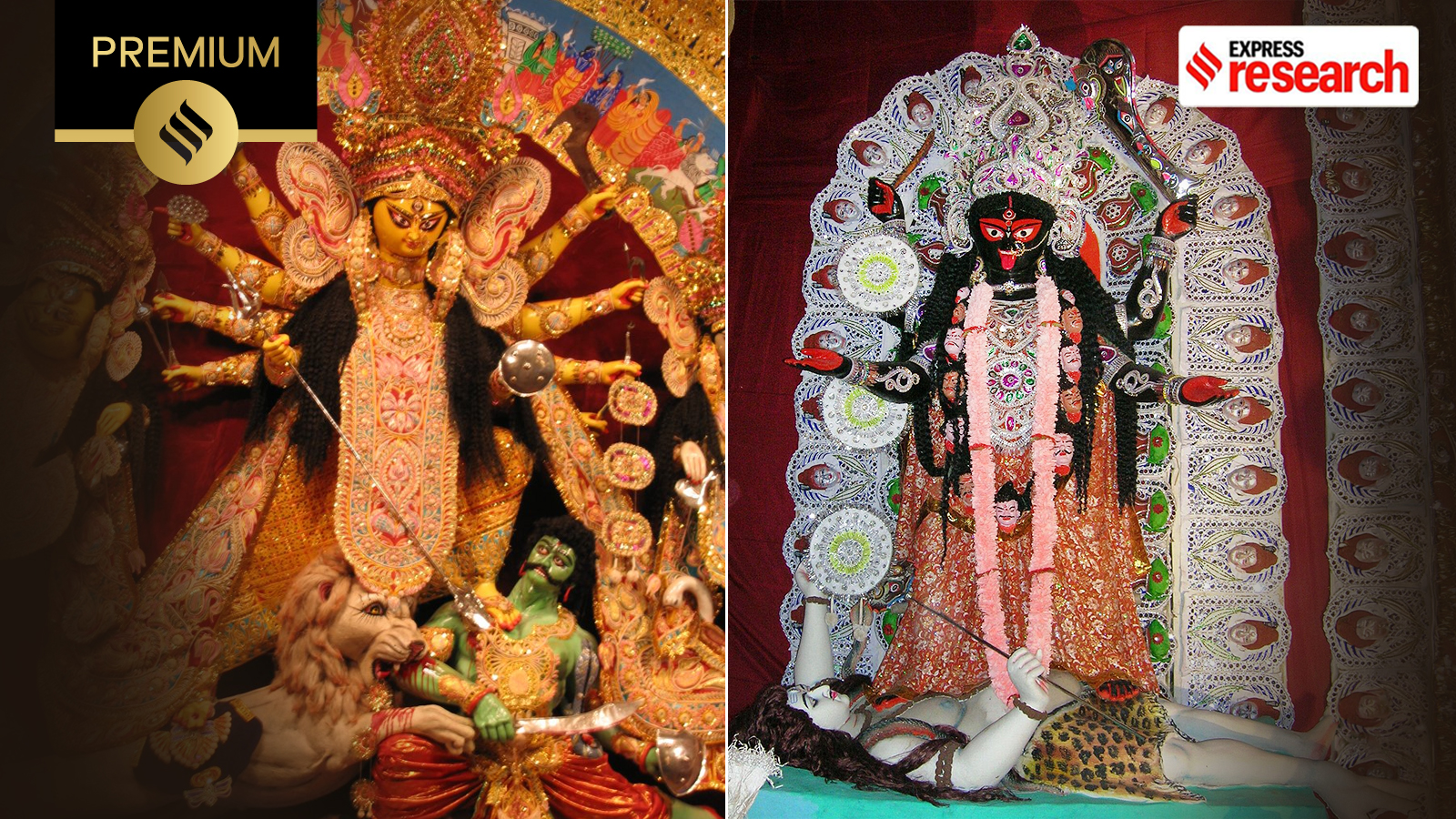
Goddess Durga perhaps best represents the convergence of these three historical religious strands in Bengal-- Shaktism, Tantricism, and Vaishnavism. (Wikimedia Commons)
10 min readNew DelhiSep 23, 2026 10:04 AM IST First published on: Sep 23, 2026 at 10:04 AM IST
What makes Hinduism in Bengal distinctive? The question has acquired new urgency ahead of this year’s Durga Puja, amid debates over meat-eating during the festival and new rules prohibiting DJs and liquor. At the heart of these controversies lies a larger question: why do some practices that are discouraged or prohibited in some Hindu traditions remain an integral part of religious and cultural life in Bengal?
Part of the answer lies in the historical prominence of Shaktism, or the Shakta tradition. Centred on the worship of the divine feminine, Shaktism developed a distinctive regional expression in eastern India, shaped in part by Tantricism and its interaction with Gaudiya Vaishnavism. Together, these influences shaped the particular forms of goddess worship that took root in Bengal and its surrounding areas.
The land of goddesses
The tradition of goddess worship has existed in the Indian subcontinent for several centuries before Vedic Brahmanism emerged. Female figurines found at Indus Civilisation sites have been interpreted as representations of mother goddesses, though their religious significance remains debated. Goddess worship is particularly long-lived and deeply rooted in Bengal and the surrounding regions, including parts of present-day Bihar, Assam and Odisha. The deities were known by different names and associated with a range of attributes and functions, most importantly the protection of the family or village that worshipped them.
KioskNews shows a cleaned-up reading view extracted from the publisher’s page — the original always lives on their site, not ours.