Seven young condors released in northern California
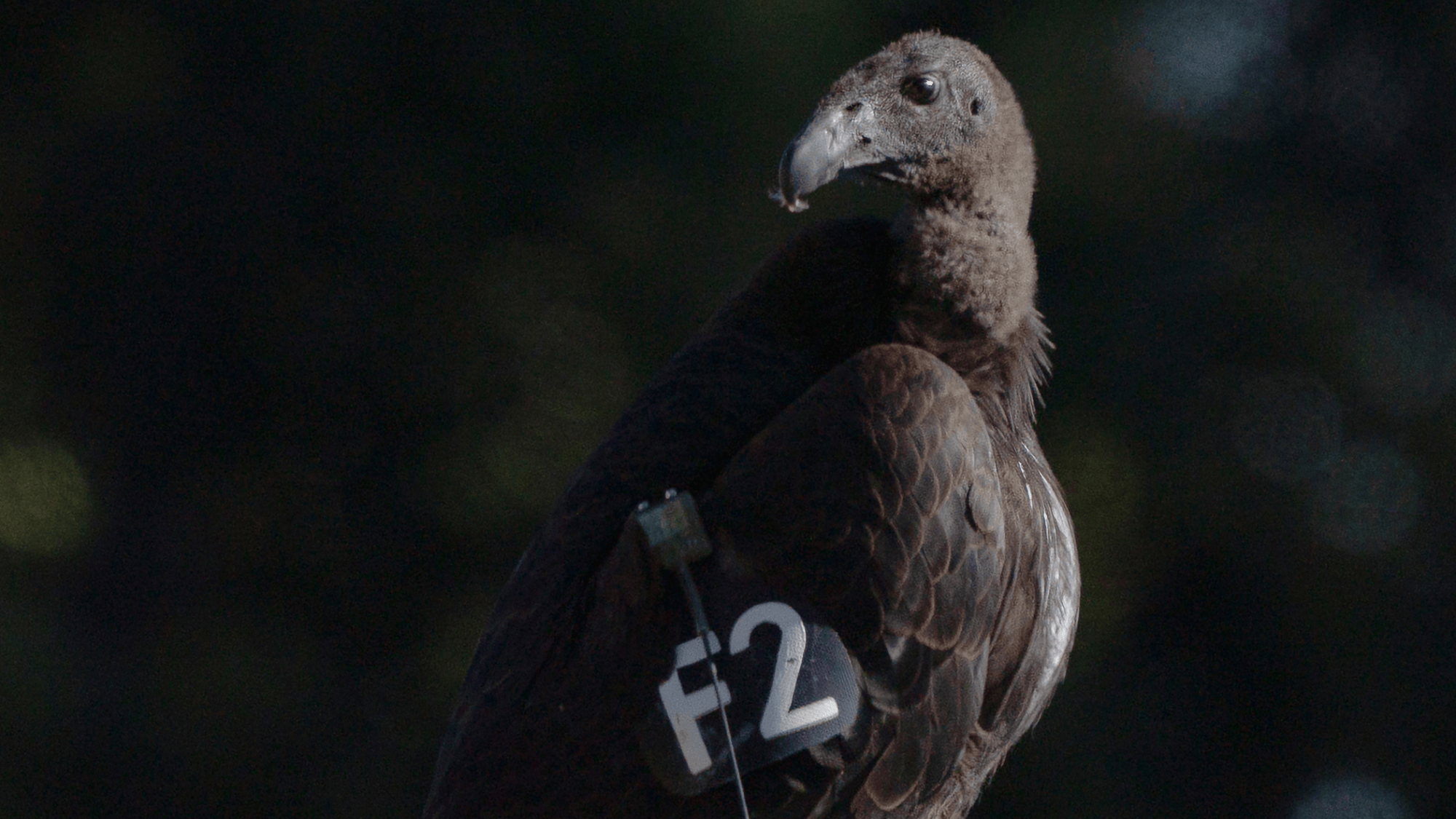
In 1986, there wasn’t a single California condor (Gymnogyps californianus) left in the wild. Thankfully, it wasn’t because the birds of prey had gone extinct, but they were getting close. In the 1980s, there were fewer than two dozen condors remaining in the wild. That’s why the United States Fish and Wildlife Service moved them into a captive breeding and release program.
Now, the Northern California Condor Restoration Program has released seven young condors into the wild in Yurok Country, close to the Oregon border, according to a statement emailed to Popular Science. One of the birds is particularly special—the condor represents the 200th California condor hatched at the San Diego Zoo Safari Park to be released into the wild. In total, the safari park has hatched 291 condors since 1982.
The seven recently released condors will join 26 other condors already enjoying the Yurok Country site. It’s the most recently established California condor release site, and received its first released condors in 2022. The NCCRP is a collaboration between the Yurok Tribe and the Redwood National and State Parks.

“Condor releases are critical to achieving our ultimate goal- to reestablish a self-sustaining condor population in the wild,” Joe Burnett, California Condor Recovery Program Manager at the Ventana Wildlife Society in California, previously told Popular Science.
It was Burnett that taught us about an unexpected behavior in young condors: the “zoomies” we more frequently associate with dogs.
“We observe the zoomies in both captive and wild condors. It’s just a sudden expression of pure excitement for young condors and very fun to watch,” Burnett explained at the time. “They just can’t contain themselves and totally let loose. They hop, run in circles, or flap around, or all the above! It’s just pure fun!”
It’s unclear whether the special “200th” bird experienced such a display. Either way, the release is happy news. There are now seven more condors in the wild, when only a few years ago there were none.
KioskNews shows a cleaned-up reading view extracted from the publisher’s page — the original always lives on their site, not ours.