Big Ten sets cap for NIL spending, mirroring Protect College Sports Act framework
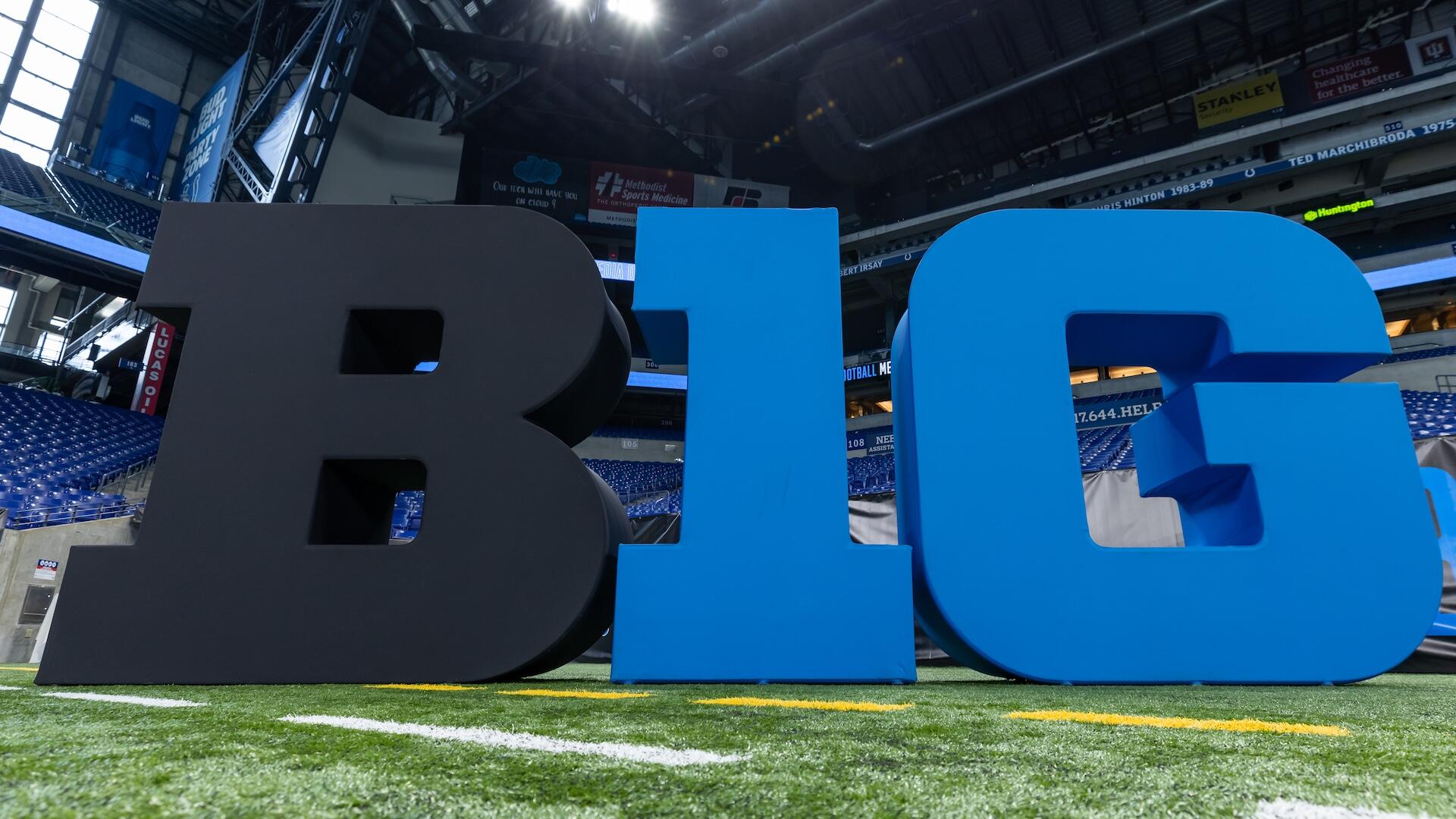
The Big Ten approved a rule on Wednesday that limits each school's investment in athlete NIL deals to $49 million, as the Senate-approved college sports bill awaits a potential House vote

• 2 min read
On Wednesday, the Big Ten announced that it is implementing a $49 million NIL spending cap for all its member institutions, effective immediately. The policy is designed to mirror the cap proposed in the Protect College Sports Act, which is still awaiting a vote in the House of Representatives.
The new policy would split spending into two buckets. The first is the revenue-sharing cap set by the House settlement, which comes to $21.6 million. The second is a $27.5 million cap on third-party NIL spending, which includes entities like collectives.
"While we await the passage of the Protect College Sports Act, which has our full support, it is imperative our member institutions can begin to plan, budget and build their rosters approximating the act's economic structure," the Big Ten council of chancellors said in a statement. "Our institutions remain in full support of the Protect College Sports Act and this rule not only allows for a much smoother transition into the policies put in place by the act once it passes, but demonstrates our commitment to it."
Under the Protect College Sports Act, schools would be able to spend roughly $50 million on athlete payments, but with some strings attached. The House settlement money would remain the same, but athletic departments could also use a retention fund of up to $22.5 million to keep players in-house and slow the transfer portal frenzy.
Finally, schools could spend $5 million that is reserved specifically for women's and Olympic sports.
With the future of the Protect College Sports Act uncertain at the moment, the Big Ten is at least providing its schools with a framework for building financial plans for 2027 and beyond.
The $49 million number is notable because Oregon and Ohio State are spending more than $40 million on football alone this year, according to CBS Sports. Michigan and USC aren't far behind, approaching the $40 million threshold as well.
Uncertain future for PCSA
The House of Representatives is currently on recess through the midterm elections, which take place on Tuesday. The House will reconvene several days later on Nov. 9.
At that point, the PCSA could go to a vote, but there are questions about its viability in a lame-duck session. That makes the real deadline for a vote on Jan. 3, when a new Congress will be sworn in. Any bill that has not become law at that point dies and must start the process all over again.
"I'm not sure what the fight is going to be like in lame duck as they try to push this over the edge, especially if the House switches from Republican to Democrat," Sen. Cory Booker (D-N.J.), an opponent of the bill, told CBS Sports. "Democrats should have a chance to really author a bill that corrects for a lot of the failings in this bill."
In addition to the lame-duck session, the other threat to the bill is changes that some lawmakers would like to see made before its passage. A segment of Republicans in Congress is pushing for a ban on classifying athletes as employees, and others want a hard cap on the number of international athletes in college sports.
If the PCSA were to undergo any changes at this late stage, it would have to return to the Senate for another vote, further undermining its already slim chances of becoming law.
KioskNews shows a cleaned-up reading view extracted from the publisher’s page — the original always lives on their site, not ours.