Ray Dalio: We're close to the point where AI bubble could burst
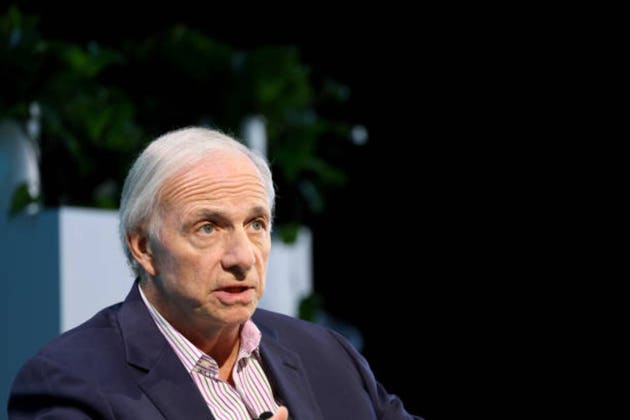
Dia Dipasupil/Getty Images Entertainment
Billionaire investor Ray Dalio has once again sounded the alarm on the AI bubble, warning that it is nearing the point where it may burst due to rising interest rates and increased borrowing to fund the AI infrastructure buildout.
Dalio noted that a huge amount of debt is being taken out to fund AI, and with rates expected to climb further, there's a mounting risk that the bubble could pop.
"We're in the part of the cycle that is before that, but approaching that," the Bridgewater Associates founder said at a conference on Wednesday. "I think we're close to that."
Dalio on Tuesday told Bloomberg News that heavy borrowing to buy assets, or a potential wealth tax that requires selling assets to make money, can lead to a bubble bursting.
"What creates the bursting of a bubble is the fact that you need cash," he said. "And you start to convert the wealth that you have to do that. Something like a wealth tax would have that effect, or having to pay back loans. So there's that dynamic that we have to keep an eye on."
The AI trade propelled the stock market to fresh highs this week, with the S&P 500 (SP500) and Nasdaq (COMP:IND) notching new closing records on Tuesday.
But these gains have largely been limited to stocks benefitting from the AI boom, while other sectors haven't fared as well.
Less than half of the stocks in the S&P 500 (SP500) closed higher than their 200-day moving average on Tuesday, The Wall Street Journal reported, citing Dow Jones Market Data.
"Higher interest rates and inflation are taking a toll on other stocks in the S&P 500," Dan Russo, investment chief at Potomac Fund Management, told WSJ. "It's only the fortress-like balance sheets at the large-cap end of the spectrum that are propping the market up."
The index record highs also defy warning signs in the Treasury market, with the bond selloff driving Treasury yields to their highest levels in two decades.
KioskNews shows a cleaned-up reading view extracted from the publisher’s page — the original always lives on their site, not ours.