Cabinet raises fertiliser subsidy budget by 64% to ₹62,370 cr for Rabi season
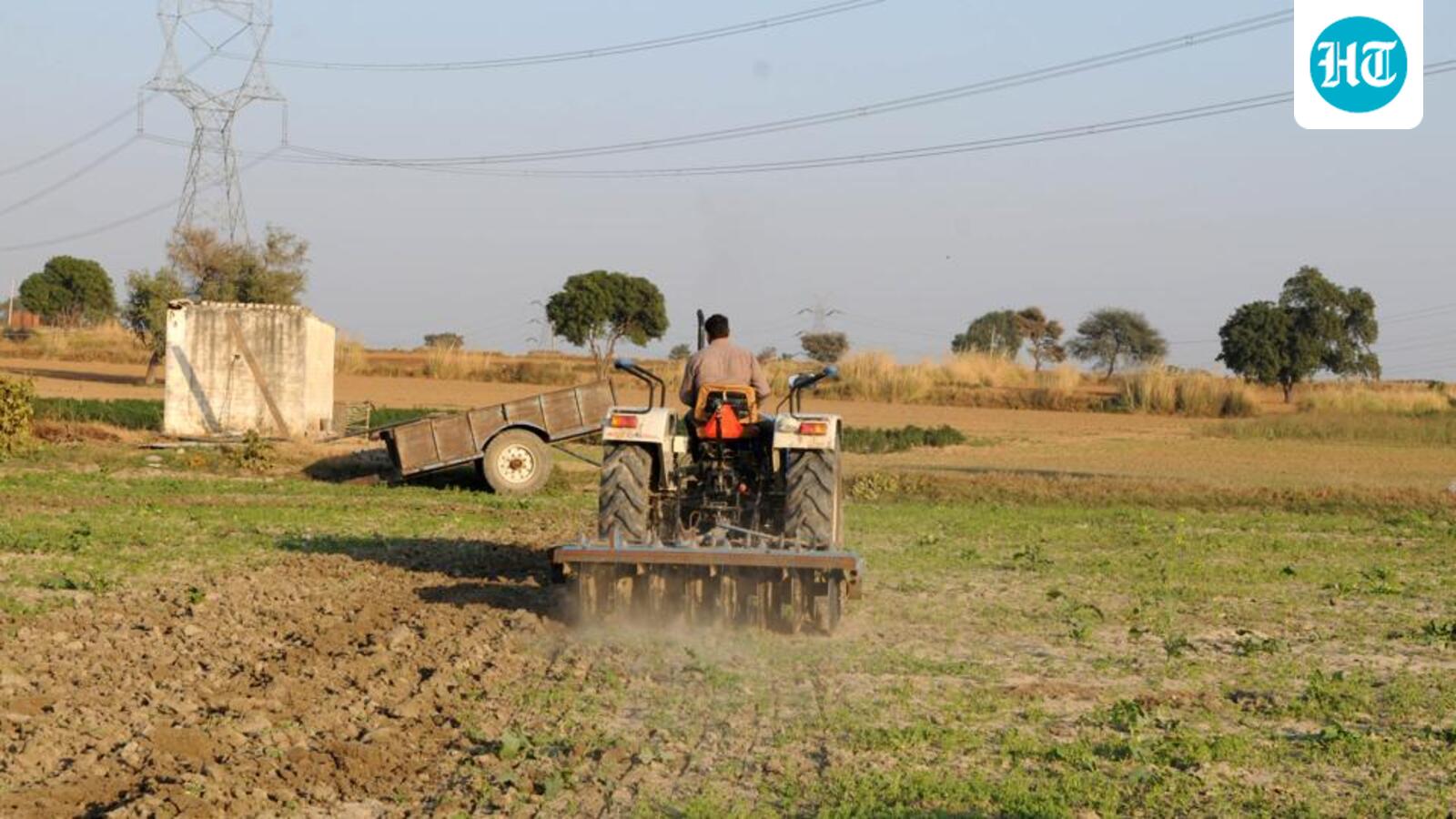
The Union Cabinet on Wednesday approved a ₹62,370 crore subsidy budget for phosphatic and potassic (P&K) fertilisers for the 2026-27 Rabi season, an increase of 64.3% over the ₹37,952 crore earmarked for the previous season, citing trends in the international prices of fertilisers and inputs.
The increase of ₹24,418 crore comes as the international fertiliser market faces disruption since the US-Israel attacks on Iran in February. Restrictions on shipping through the Strait of Hormuz, a key route for global fertiliser trade, followed.
India is particularly exposed to the disruptions. According to the World Trade Organization (WTO), the country sourced almost two-thirds of its nitrogenous fertiliser imports from the Gulf region, based on 2024 trade data.
International urea prices rose from around $400 per tonne before the conflict to more than $850 per tonne in April. Di-ammonium phosphate (DAP) prices increased from approximately $580 to $770 per tonne, according to the WTO. Urea prices subsequently eased to around $453 per tonne in June.
The pressure on phosphate fertilisers has persisted. An assessment by the International Food Policy Research Institute in September said phosphate supplies remained tight and expensive, with sulphur shortages continuing to constrain production and trade. Nitrogen markets were moving closer to pre-war levels.
The government provides subsidies on 28 grades of P&K fertilisers under the Nutrient Based Subsidy (NBS) scheme, which has been in operation since April 2010. The subsidy is linked to the nutrient content of each fertiliser grade and is revised periodically in response to international and domestic market conditions.
The Union Cabinet, chaired by Prime Minister Narendra Modi, approved the NBS rates for P&K fertilisers, including DAP and NPKS grades from October 1 to March 31, 2027.
The subsidy will be provided to fertiliser companies at the approved rates to ensure availability to farmers at affordable prices.
For the previous Rabi season, the government fixed the per kg nutrient subsidy at ₹43.02 for nitrogen, ₹47.96 for phosphate, ₹2.38 for potash, and ₹2.87 for sulphur.
KioskNews shows a cleaned-up reading view extracted from the publisher’s page — the original always lives on their site, not ours.