South Korea plans to cut its reliance on Middle crude oil imports to 50% by 2035
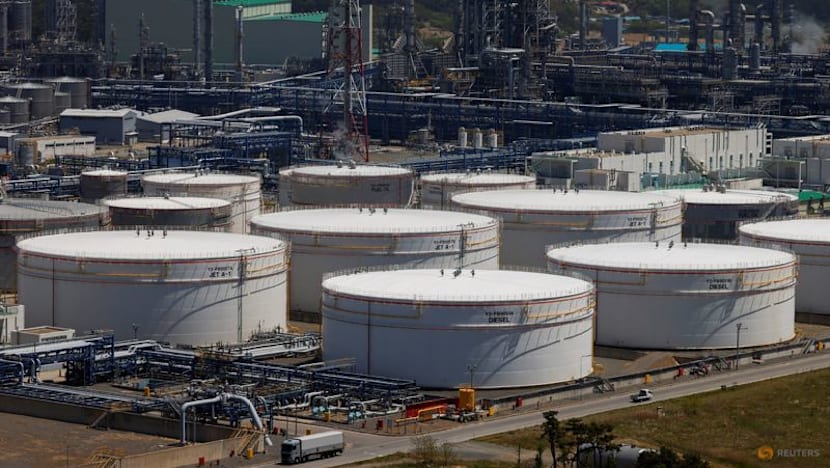
SEOUL, Sept 23 : South Korea aims to reduce its reliance on crude oil from the Middle East to 50 per cent by 2035, as Asia's fourth-biggest economy seeks to diversify energy supplies following the disruption caused by the Iran war, the Industry Ministry said on Wednesday.
In its 10-year natural resources security plan, the ministry said the country needed a "fundamental shift" in its supply chains, citing lessons from the Iran war, which has choked off global energy flows.
South Korea relies heavily on oil imports and sourced 70 per cent of its supplies from the Middle East in 2025, most of it delivered through the Strait of Hormuz, according to the ministry.
Under the updated strategy, the country adjusted its stockpiling plan for crude oil, targeting an expansion of around 20 million barrels by 2030.
South Korea also aims to secure additional supplies of condensate, an ultra-light oil mainly used to produce naphtha, the ministry said. The country has struggled with a shortage of naphtha, the key feedstock for petrochemicals, since the Middle East conflict.
South Korea relies on imports to satisfy about 45 per cent of its naphtha demand, with 77 per cent of those supplies typically sourced from the Middle East, according to the ministry.
For natural gas, the government aims to cap its import dependence on the Middle East to below 30 per cent by 2035, after lowering it to 20 per cent in 2025.
The roadmap will also expand South Korea's list of critical minerals to 51 from 38, adding 10 rare earths and germanium, a critically important component for the production of semiconductors, as part of efforts to strengthen supply chains.
KioskNews shows a cleaned-up reading view extracted from the publisher’s page — the original always lives on their site, not ours.