The butterfly effect: one man’s mission to help nature and communities coexist
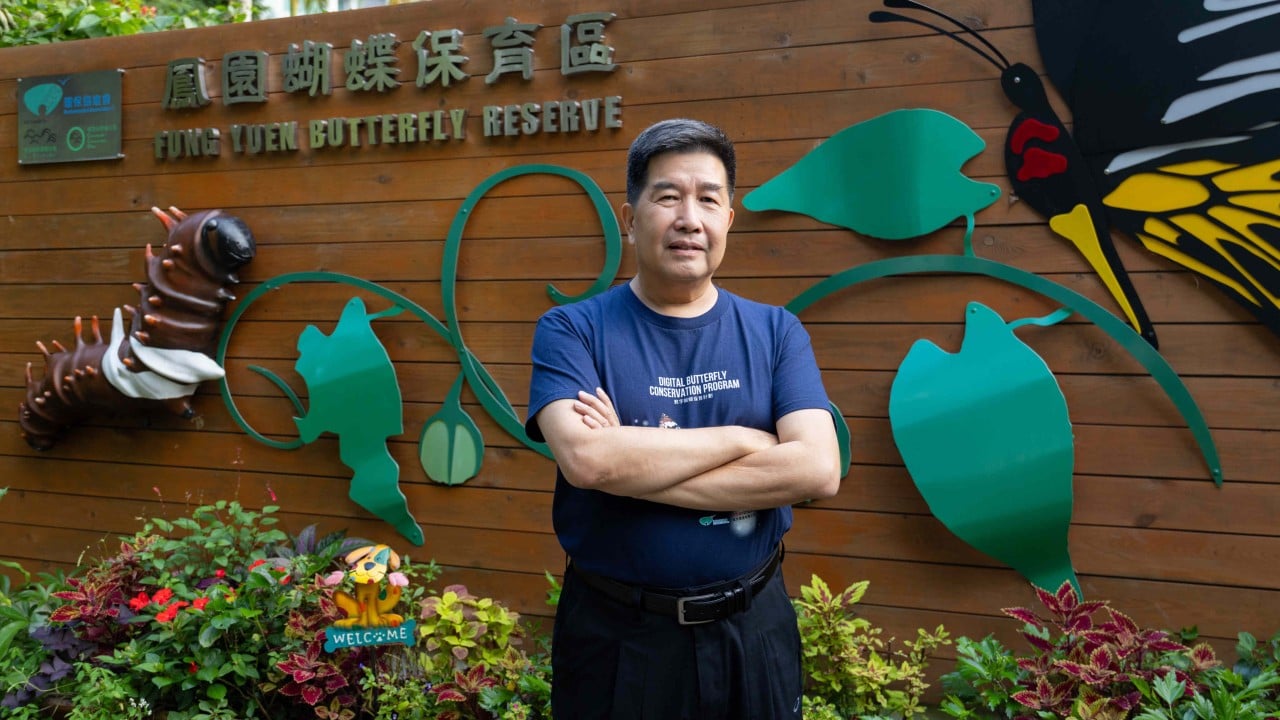
Hong Kong’s next phase of development should make room for both butterflies and buildings, conservationist Dr Yau Wing-kwong has said, arguing that biodiversity can be incorporated into parks, schools and neighbourhoods without holding back the city’s growth.
Yau, founder of Environmental Association Limited, has spent nearly three decades promoting community-based conservation. He is a finalist for the Spirit of Community Award in this year’s Spirit of Hong Kong Awards, co-organised by Sino Group and the South China Morning Post.
His best-known project, the Fung Yuen Butterfly Reserve in Tai Po, began as an effort to protect butterfly habitats from collectors and other disturbances. It soon became an early example of a different approach to managing ecologically valuable private land.
Hong Kong announced its New Nature Conservation Policy in 2004, and Fung Yuen was among the first sites selected for a pilot management agreement scheme the following year. The arrangement allowed a non-profit organisation to work with private landowners, with government funding, to manage land for conservation.
“We did it almost like volunteers, with many volunteers and friends helping. We really made a model,” Yau said.
The pilot scheme later became part of Hong Kong’s conservation system, with similar management agreements introduced at other ecologically important sites.
Fung Yuen has long relied on community participation, with volunteers working alongside a small team of staff to maintain the reserve and support its conservation and education work.
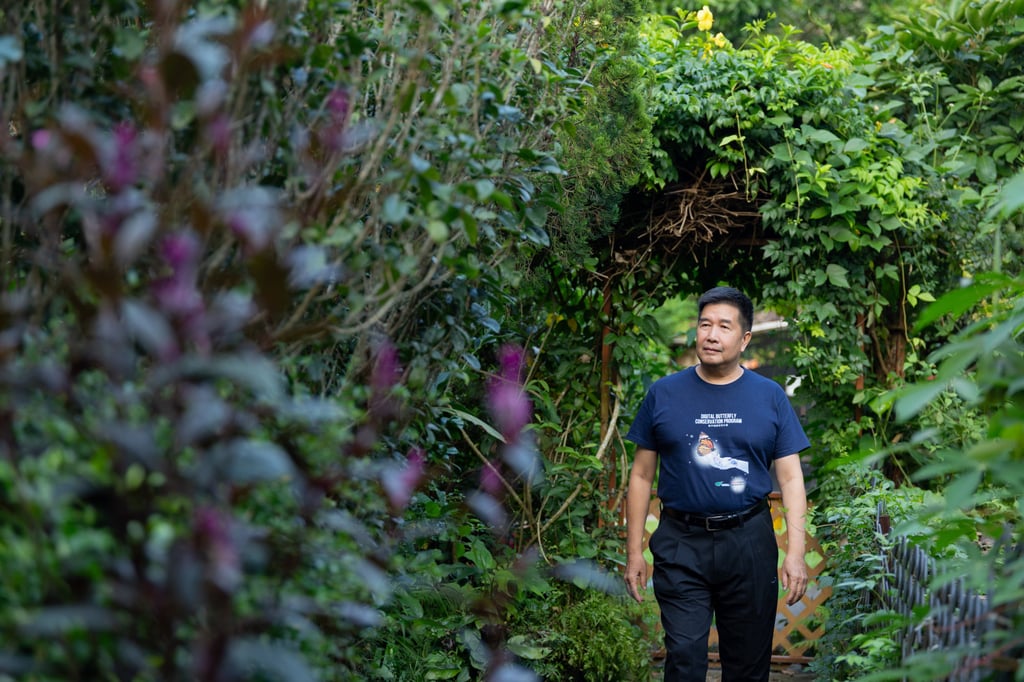
Yau said volunteers help with planting, weeding and path maintenance, while university students join as interns. Retired teachers, civil servants and others also take on various roles.
“Volunteers sometimes receive an unexpected reward. When they are working, a butterfly may fly past or land on their shoulder,” he said. “They feel as if the butterfly has come to thank them.”
The reserve also conducts monthly surveys to monitor its ecology.
Yau said about 90 per cent of Hong Kong’s butterfly species had been recorded at Fung Yuen. He added that the discovery, within a single year, of seven species not previously recorded in the city, some associated with warmer areas further south.
Such sightings could offer clues about climate change, he said, although longer-term data were needed before firm conclusions could be drawn.
Conservation can also begin with everyday household habits. For more than a decade, the association has collected potted citrus trees discarded after Lunar New Year, as their leaves provide food for butterflies. Surplus trees are given to farmers, keeping them out of landfill and giving them a second life.
Yau believes the same approach can be applied as Hong Kong develops. Citing the Northern Metropolis, he said new parks and open spaces should provide wildlife habitats rather than focus mainly on ornamental greenery.
He said different planting choices could allow butterflies and other species to live in newly developed districts.
Hong Kong’s Biodiversity Strategy and Action Plan 2035, updated in 2025, similarly calls for biodiversity conservation and sustainable development to advance together, with “harmony between humans and nature” among its stated goals.
Yau now wants to connect habitats beyond Fung Yuen. His interest in butterfly migration routes grew after a butterfly marked in Japan was found in Hong Kong following a journey of about 2,500km.
His concept is “point, line and surface”, in which individual butterfly gardens serve as points, flight routes connect them into lines, and enough connections eventually form a citywide network.
Schools across Hong Kong have joined Fung Yuen’s Butterfly Garden Certification Programme, and certified gardens have also been established in Shenzhen and Macau. The initiative has involved cooperation with organisations in Japan, Taiwan, South Korea and Malaysia.
After nearly three decades, Yau said the work had also changed his understanding of conservation. Visitors could find calm in nature, while some students with special educational needs had become more communicative after helping to care for butterfly gardens.
“Protecting butterflies is also, in a way, protecting ourselves,” he said.
The Spirit of Hong Kong Awards were established in 2013 to recognise society’s unsung heroes and organisations whose work might otherwise escape public attention.
Yau has joined the race for Hong Kong’s Election Committee poll in November, standing in the Heung Yee Kuk subsector.
The elected members will join 362 ex officio members and 156 members nominated by designated bodies, and select Hong Kong’s next chief executive in March next year.
KioskNews shows a cleaned-up reading view extracted from the publisher’s page — the original always lives on their site, not ours.