DOTr deploys buses to augment influx of LRT-2 commuters
Make this your preferred source to get more updates from this publisher on Google.
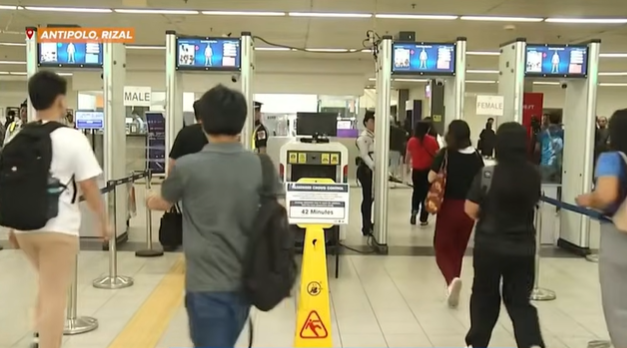
The Department of Transportation (DOTr) on Wednesday launched a bus augmentation program to mitigate the large volume of commuters using the LRT-2.
A week after his return to the agency, Transportation Secretary Vince Dizon said that the LRT-2 could no longer serve 4,000 passengers during its peak hours. The number of passengers grew after the government implemented a 50% increase in train fares due to the Middle East fuel crisis.
“Sampung tren lang ang umaandar, ‘yun na 'yung maximum dahil 'yung mga ibang tren, dahil nga hindi na-maintain ng maayos, kulang sa pondo, all these years… 27, 25 years na 'yung tren, hindi na napalitan,” Dizon said in a media interview.
(There are only ten trains running; that is the maximum because the other trains were not maintained well due to lack of funding, all these years… the trains are 27, 25 years old and have not been replaced.)
“Talagang hindi kakayanin sa dami ng mga sumasakay na commuters dito sa linyang to,” he added.
(This line really could not handle the volume of commuters here.)
Dizon said that the bus augmentation program was an “out-of-the-box solution," as they could not get new trains yet. There will be 20 buses deployed beginning Wednesday, which will span from Antipolo to Cubao, with some reaching all the way to Legarda.
The regular fare is P80 from Antipolo to Legarda, but it will be P55 for students. The buses could accommodate up to 70 people if some of them are standing, according to Dizon.
The trial run is indefinite, but operations already started on Wednesday. The agency will also study applying the EDSA Busway format to Marcos Highway, Dizon added.
Dizon also said that plans to have a Public-Private Partnership (PPP) for the LRT-2 are still ongoing, but clarified that this does not mean that prices will increase.
“‘Pag sinabi natin PPP, hindi ibig sabihin no'n tataas ang pamasahe kasi ang control ng pasahe ay na sa gobyerno pa rin. Ang i-PPP natin 'yung operations and maintenance. At mas mabilis 'yung pag-procure at pag-maintain ng mga tren,” he said.
(When we say PPP, this does not mean that the fares will get higher because control over the fare is still with the government. We will let PPP handle the operations and maintenance. And the procurement and maintenance of trains will become faster.) —AOL, GMA News
KioskNews shows a cleaned-up reading view extracted from the publisher’s page — the original always lives on their site, not ours.