From Pinocchio to E.T. and Chucky: Lifelike at ACMI celebrates our favourite onscreen puppets
The Australian Centre for the Moving Image’s (ACMI’s) newest exhibition, Lifelike: Puppets, Movies and Magic, opens appropriately with several examples of perhaps the most famous puppet of all time.
Pinocchio, as the exhibition points out, has been re-imagined and adapted for the screen in various forms since cinema’s earliest days.
We encounter a number of Pinocchios, including special effects legend Carlo Rambaldi’s puppet from the Italian mini-series The Adventures of Pinocchio (1972), the puppet in Steve Barron’s The Adventures of Pinocchio (1996), and Guillermo del Toro’s Pinocchio (2022).
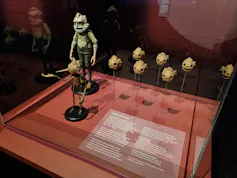
Each is made to look as if it has been carved from wood. Rambaldi’s design is taller and simpler than the other two. The 1996 version (designed by Jim Henson’s creature shop) has large, expressive eyes. Meanwhile Del Toro’s Pinocchio feels more rough-hewn, looking almost “tree-like” – reflecting the grief and anger Gepetto felt as he carved him.
Lifelike presents concept art, behind the scenes materials and, of course, puppets from a series of iconic cinema classics.
The exhibition celebrates the magic of movie puppetry and explores why these creations continue to fascinate us.
An artform spanning cultures and millennia
Puppetry was around long before cinema. Shadow puppetry, for instance, has multiple histories across cultures, including in China and Indonesia, dating back thousands of years.
Marionette performance (puppets controlled by strings) is also hundreds of years old, and has developed across several different cultures.
While this exhibition does not display any actual pre-film puppets, one exhibit pays direct homage to wayang kulit (which roughly translates to “skin shadow”) puppetry. Created by Malaysia-based team Fusion Wayang Kulit, this display features a number of shadow puppets in the traditional Southeast Asian style – except modelled after Star Wars characters.
Breathing life into puppets
For puppets to appear “lifelike”, they must possess certain qualities. The way they move, breathe and interact with world around them must feel “real” to some extent.
Successful puppetry requires a combination of craftsmanship and performance, with the human controller providing the expression and personality. In some ways, there is something strange about seeing motionless puppets in an exhibit. There’s almost a sense of anticipation, as though they might come alive any second.
The exhibition features several nostalgic creations, including Steven Spielberg’s E.T. (1982), Jim Henson’s Muppets (1955–) and fantasy creatures from films such The Dark Crystal (1982).
We also see the animatronic puppetry of New Zealand-based Wētā Workshop, including a startling “facehugger” used in Alien: Romulus (2024), as well as puppets and marionettes from films such as Being John Malkovich (1999) and Anomalisa (2015).
Seeing these up-close allows us to examine and appreciate minute details such as the lines in a face, and subtle changes in expressions.
The exhibition traces how puppetry has evolved alongside cinema, leaving us with a deeper appreciation for the artform.

The journey from analogue to digital
A focus on films such as Jurassic Park (1993) shows how filmmakers began combining physical effects, such as animatronic dinosaurs, with digital animation.
In “digital puppetry”, motion capture is often used to film real actors’ movement, which animators then use to bring digitally animated characters to life. This was done with Gollum from The Lord of the Rings (2001–03) and Caesar from the Planet of the Apes trilogy (2011–17), both performed by Andy Serkis and animated by Wētā FX.
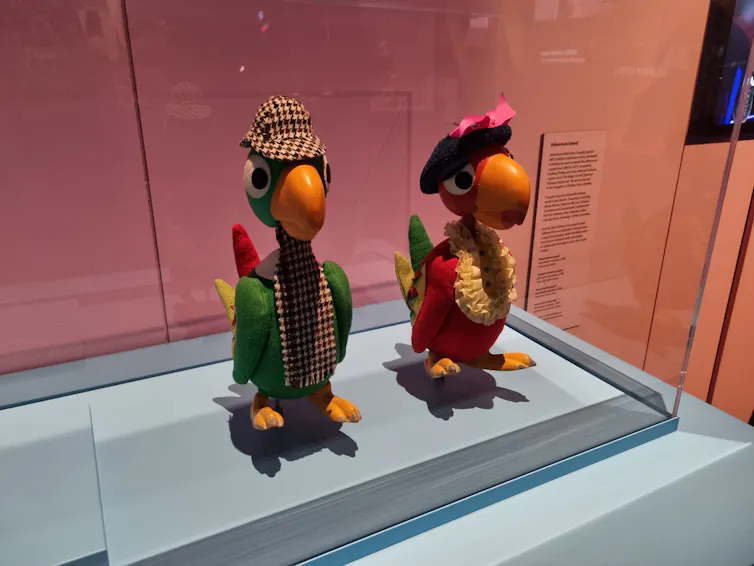
There’s also a nod to various puppets that have graced the screens of Australian children’s television, from Gerry Gee (1956) to Agro.
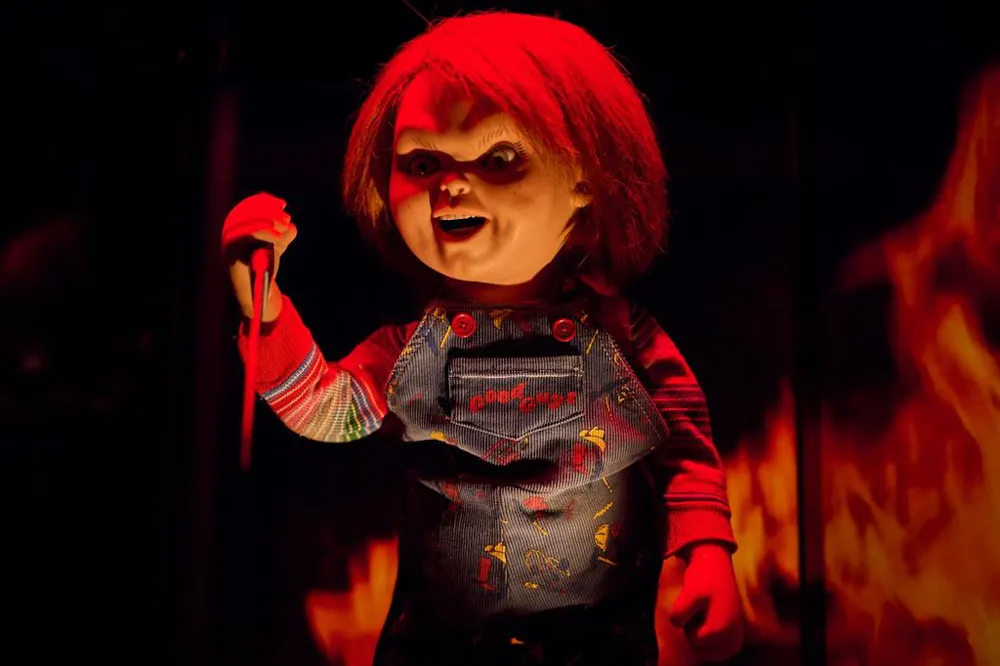
While puppets can charm and delight us, they also have the potential to frighten us – fans of horror will enjoy encounters with some of the genre’s most iconic characters, including as Chucky and Annabelle.
One interactive exhibit gives visitors a chance to operate a Muppet-like character and record their performance, giving a sense of how tricky it is to control a puppets hands and mouth at once.
A Hollywood focus
It would be an impossible task to cover the entire history of puppets in cinema in one exhibit.
The world of puppetry is vast, and while the exhibition acknowledges the existence of this artform pre-cinema, the focus is largely on key examples from Hollywood.
Lotte Reiniger’s silhouette animation The Adventures of Prince Achmed (1926), the oldest surviving animated feature film (based on the traditional form of cutting out paper silhouette puppets) is briefly mentioned.
Other filmmakers such as The Brothers Quay are absent. This stop-motion animation duo is known for their dark and surreal films such as Street of Crocodiles (1986). And fans of the animation studio Laika, who gave us Coraline (2009), ParaNorman (2012), and Wildwood (2026), might be disappointed to find they are not featured.
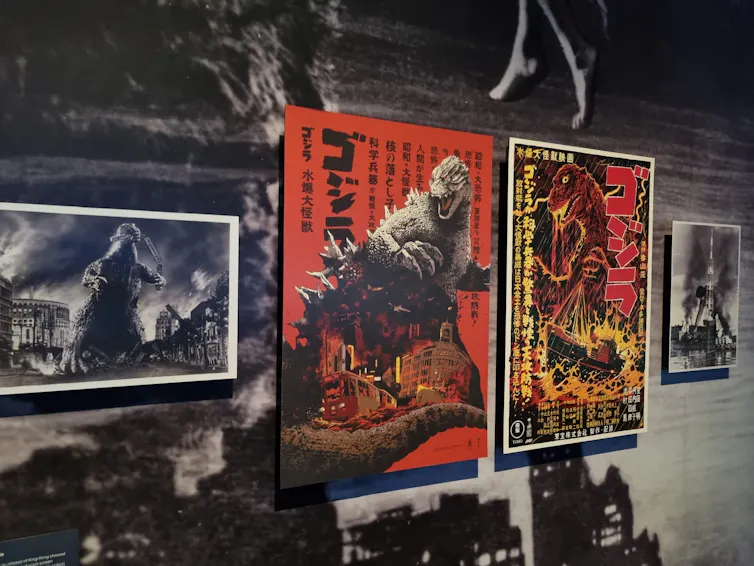
That said, there is still effort to acknowledge the world of puppetry beyond Hollywood. The exhibition notes the impact of the original Japanese Godzilla (1954), a monster brought to life through “suitmation”. This is when an actor wears a full body suit to portray a character, with close-ups making use of hand puppetry techniques.
Visitors can also view several short films that highlight the use of puppetry from Indigenous, queer and global perspectives. These are a welcome inclusion that remind us cinematic puppetry is not limited to blockbusters.
Lifelike offers us a glimpse into the world of the people who pull the strings, and the incredible labour and artistry that goes into this work.
Lifelike: Puppets, Movies & Magic is showing at ACMI until April 18 2027.
KioskNews shows a cleaned-up reading view extracted from the publisher’s page — the original always lives on their site, not ours.