Why is Britain so bad at building anything?
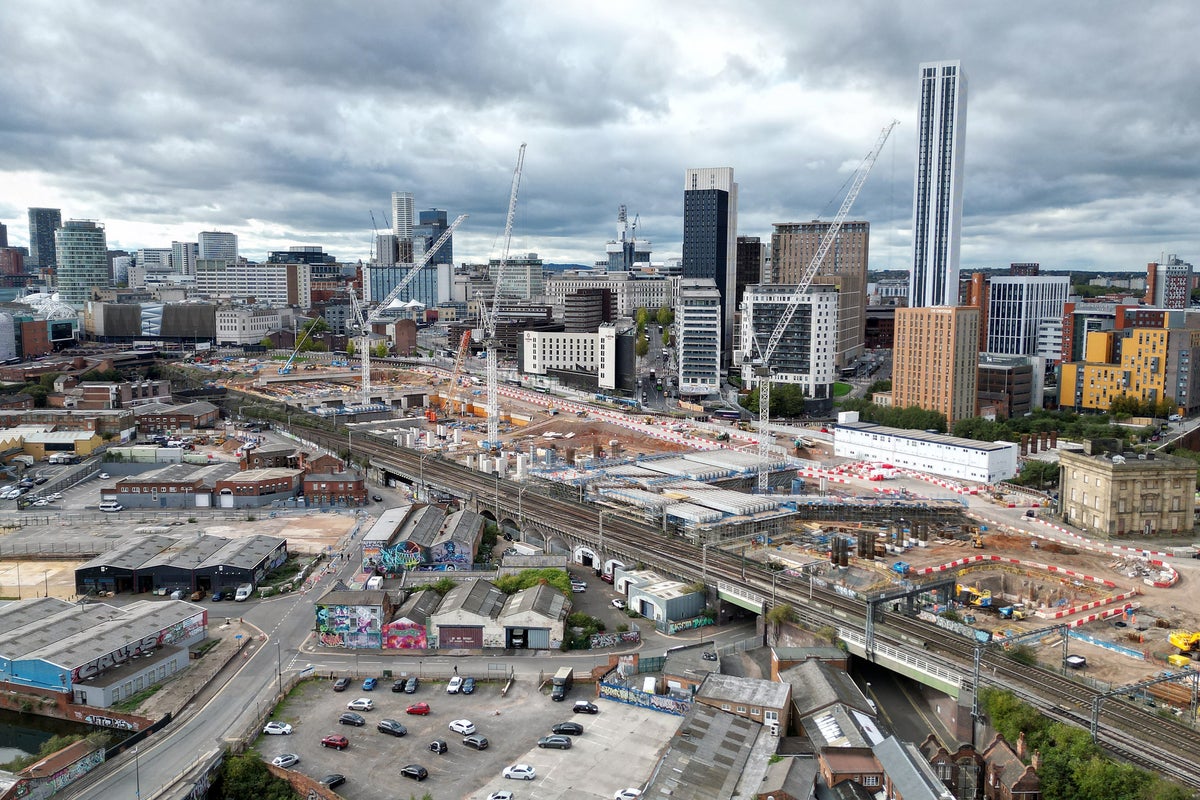
Given the green light in 2012 HS2 was meant to cost £32.7bn with trains running by 2026.
The high-speed rail line was first proposed in 2009 with the aim of connecting the North of England with London via the West Midlands.
It was heralded by then-prime minister Gordon Brown as proof of the UK’s ambition “to join the high-speed revolution sweeping the world”.
But 17 years later, there is little to show for that ambition.
The project’s first services, originally planned to be running this year, are now not expected for at least a decade. And the government expects the final bill to have ballooned to be between £87.7bn and £102.7bn.
When finished, it won’t run north of Birmingham after its northern leg was scrapped by Rishi Sunak at the 2023 Conservative Party conference.

Following that decision, then-Greater Manchester mayor Andy Burnham said: “I don’t see how you can take a plan that goes beyond the life of any individual government and basically tear it up at a party conference.”
HS2 has become a symbol of the difficulties Britain faces in getting things done, shorthand for an era defined by austerity, changing government priorities, and a planning system that many would argue stands directly in opposition of progress.
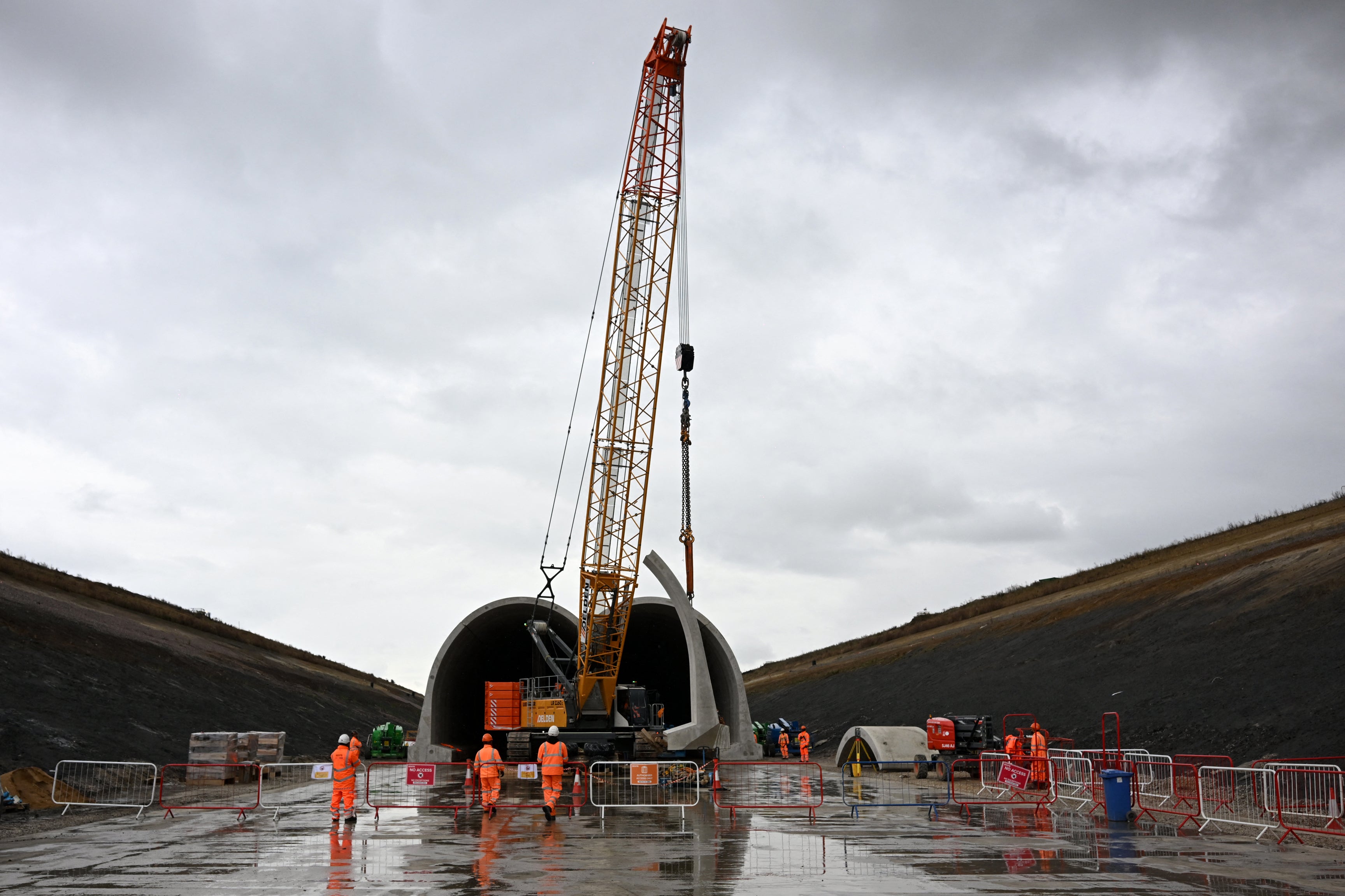
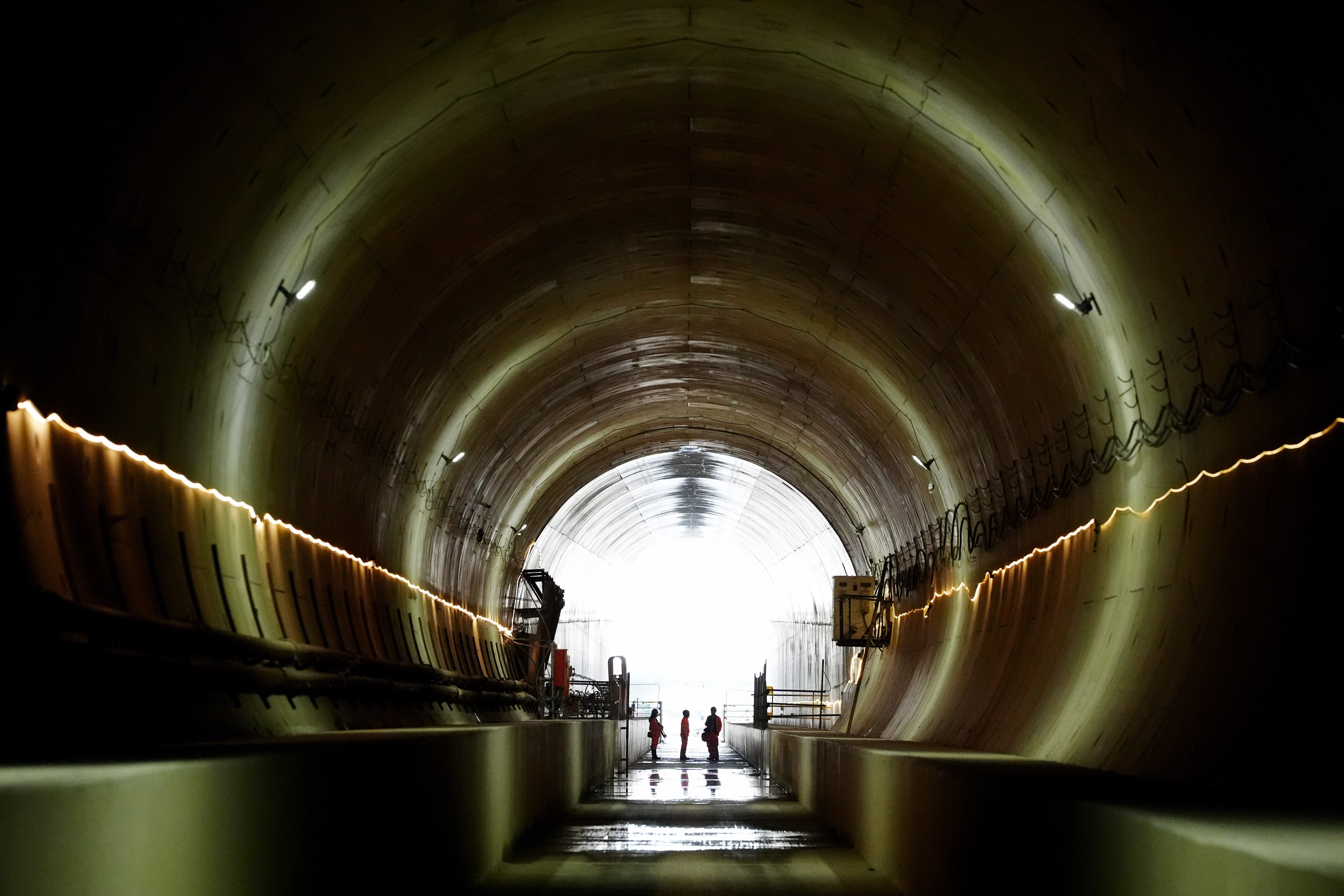
Instead of connecting the country’s cities by high-speed rail, HS2 is maybe best-known for its £100m tunnel built to protect a rare colony of bats.
It is not the example of a modern nation that Mr Brown hoped.
As for why, Stephen Glaister, emeritus professor of transport and Infrastructure at Imperial College London and chair of the Office of Rail and Road from 2016 to 2018, believes a combination of legal, economic and geographical factors make delivering such a project in the UK harder than elsewhere.
He told The Independent: “We (the UK) are very careful in our legal processes to protect and compensate those people who are, or say they are, disadvantaged by any kind of infrastructure project.
“That's why we have a slightly peculiar system where every railway has to have a parliamentary bill - it has to be approved in parliament in some way.”
Following approval by parliament, funding then has to be allocated. And there is more hesitation to do so in Britain than its peers, Prof Glaister believes.
“That goes back again to a 19th-century view that railways were regarded as commercial operations built by the private sector and private shareholders, where nobody was looking for subsidies from government to build them”, he said.
“Whereas in France and other countries, there is a fundamentally different attitude in the constitution, where there is a view that the state has an obligation to provide a level of public service.”
He added: “In public expenditure generally, there's a British tradition in analysing scientifically, as far as one can, whether or not a large public expenditure is good value for money. Any government has got to make choices.”
When it comes to HS2, those choices have led to cuts. Cuts which have meant that, according to Prof Glaister, the scheme as it is planned today would never have got off the ground.
“The original scheme, if it made any sense at all, had to go from London to Birmingham and then on to the North to get the big benefits - going up to Newcastle, Liverpool, York, and on to Scotland”, he said.
“Because there wasn't the money to do that, we've ended up lopping the valuable limbs off, and we're left with a scheme that's horrendously expensive and produces almost no benefits.
“It's a completely bizarre scheme that we would never have considered doing if that had been what was proposed from the beginning.”
But it is not just nationwide transport projects which illustrate Britain’s malaise.
Last month, a report from think tank Centre for Cities showed that Britain’s cities are well behind their G7 peers on public transport delivery.
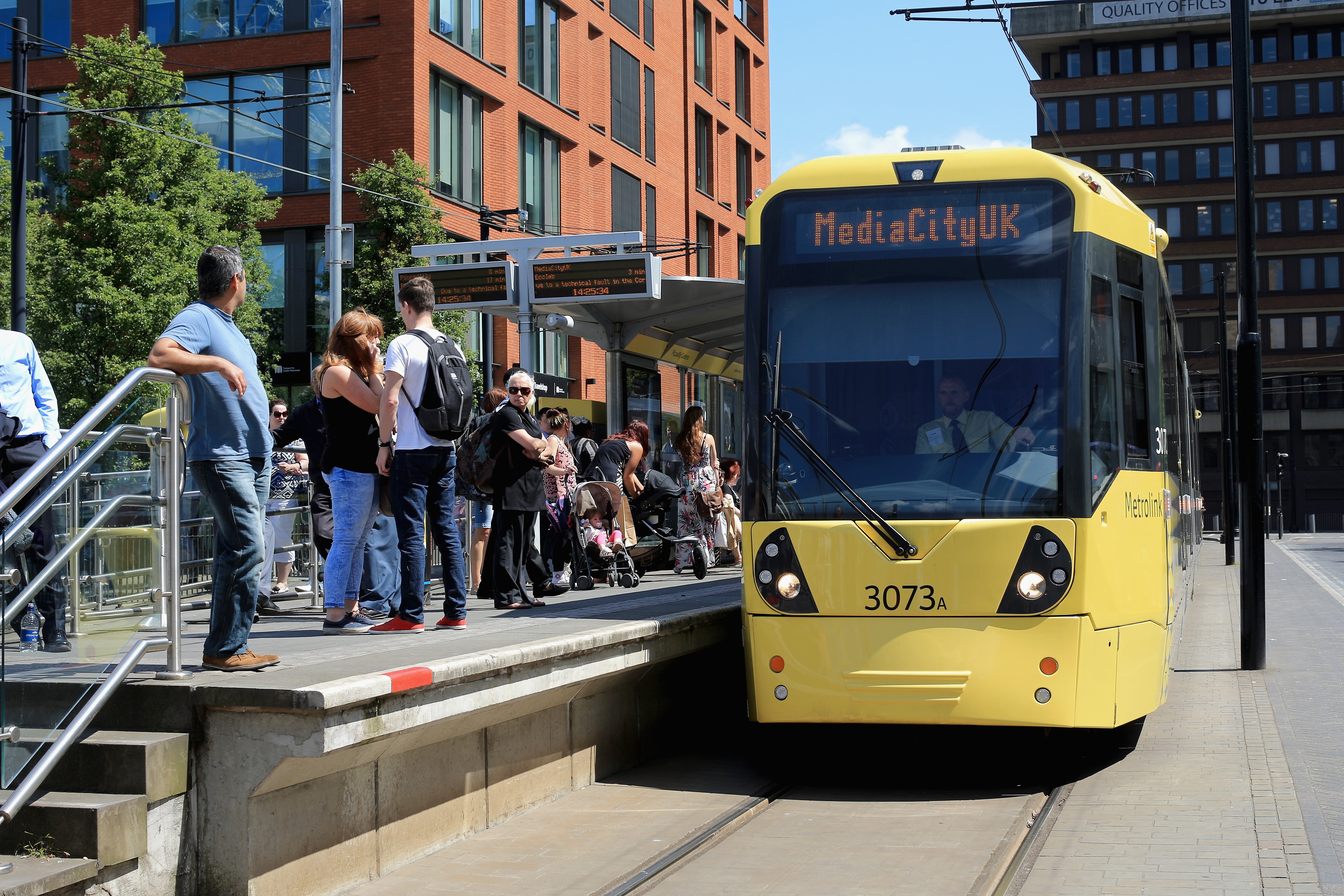
Its analysis showed that France added more kilometres of new tram and light rail since 2010 (ca. 420 km) than the entire length of all of England’s existing tram and light rail networks (ca. 350 km).
In that same period, Leeds has tried twice to progress local mass transit – a bus rapid transit network and its current proposed West Yorkshire metro – and failed to secure government approval.
The city made a total of 11 separate bids for a tram or trolleybus network in nearly 40 years, none of them progressing past design or early development.
The centralisation of power and money in Britain is one of the main barriers to progress on this front, according to Rob Johnson, Centre for Cities’ senior analyst.
“It coalesces around a lack of devolved powers, scope, and funding to deliver these at the local level”, he told The Independent.
“You need an ongoing pipeline of investment to drive growth, maintain assets, and prevent infrastructure deterioration”, he added.
“A centralised system driven by short-term political cycles and planning bottlenecks cannot deliver that.”
Mr Johnson believes that under the current system, mayors have become “lobbyists” to central government, all competing for slices of the same pie while the government weighs up competing priorities.
He cites the West Midlands Metro extension to Birmingham Eastside as an example of this.
For that project, the Transport and Works Act order application alone took three years (2013-16) to complete and ran to 6,000 pages, excluding 36 supplementary documents.
Mr Johnson believes a planning framework in need of reform and a lack of local autonomy combine to slow the process.
“Even when everything is cleared, schemes wait for Secretary of State sign-off simply because central funding is involved”, he explained.
“The Birmingham Metro extension took two to three years just to secure that sign-off. A central department juggles numerous competing interests, causing local schemes to be deprioritised.
“That would not happen if the decision sat locally.”
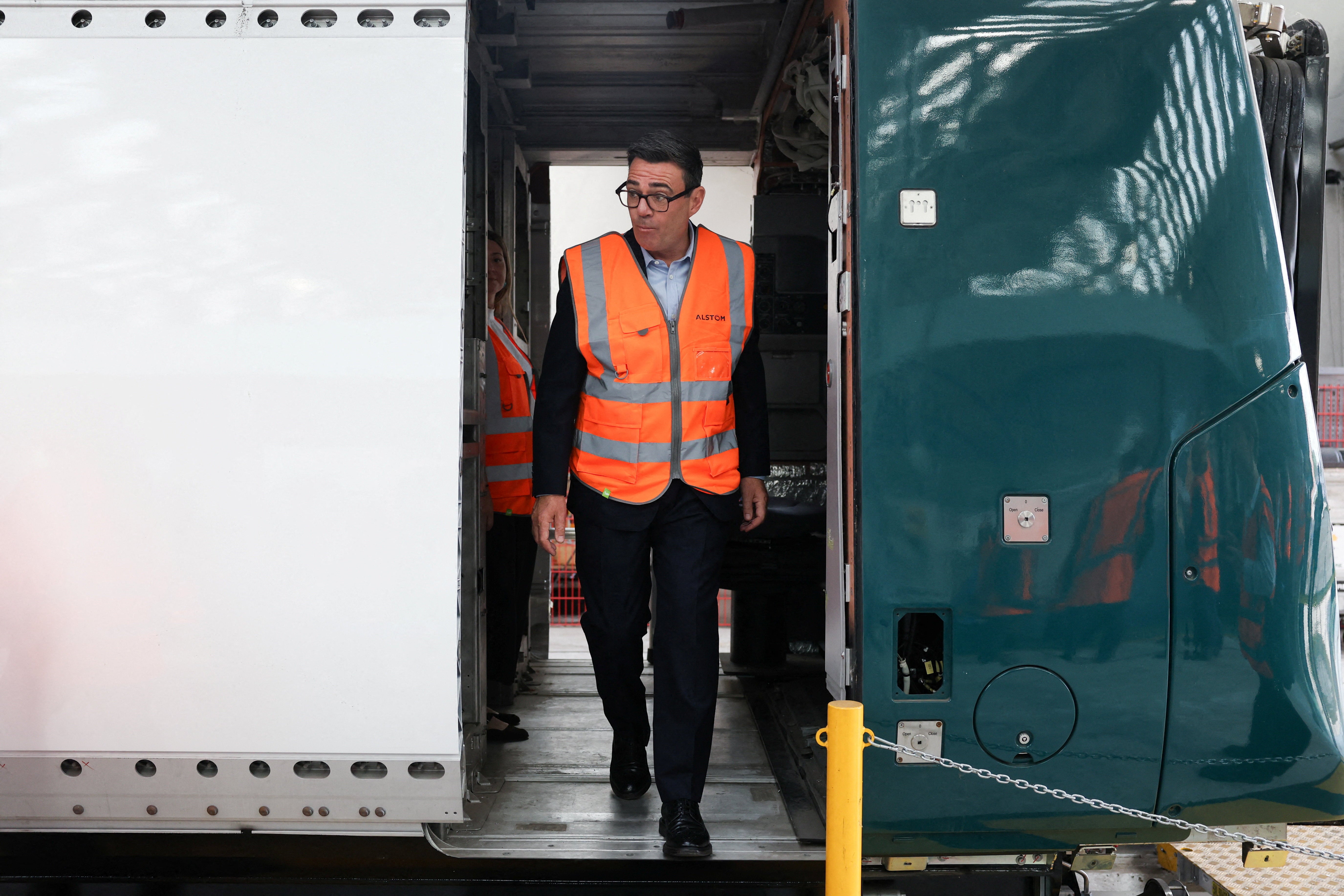
Now as prime minister, with a focus on devolution, Mr Burnham plans to give local mayors more powers over planning decisions and a share of income tax - which he hopes will result in local areas being able to take control of their own projects and get them off the ground quicker.
That has the “potential to transform how government operates”, according to Mr Johnson.
“It aligns incentives: local leaders are directly rewarded for growing their local economies through higher tax receipts and voter approval”, he said.
“Given the tight fiscal headroom nationally, fiscal devolution is a pragmatic mechanism. Shifting revenues so they are retained locally rather than sent to Whitehall allows areas to fund projects directly and crowd in private investment.”
Prof Glaister would agree, and believes that the “unbelievably centralised” UK requires a significant change in how such projects are commissioned and funded.
“It's a question of where the power lies”, he said.
“The power lies with the money, and the money is controlled in the centre. Follow the money.”
A government spokesperson told The Independent: “This Government knows that the cost of infrastructure in the UK is too high, and for too long poor transport infrastructure has held this country back.
“We are determined to do things differently, alongside continuing to deliver ongoing major projects, the Ten Year Infrastructure Strategy outlines our approach to improve planning and delivery across all types of infrastructure, and our rail infrastructure costs review will focus on practical recommendations to reduce the cost of delivering future rail infrastructure."
KioskNews shows a cleaned-up reading view extracted from the publisher’s page — the original always lives on their site, not ours.