New Trump rules will make it harder for farmers to access US funds for energy projects
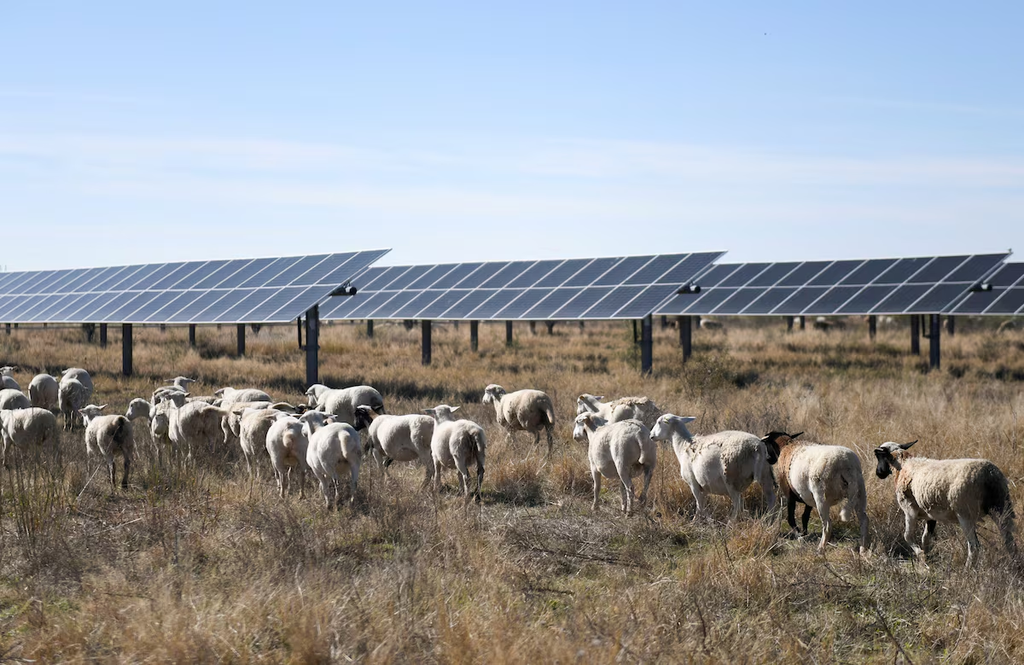
President Donald Trump's looming changes to a rural energy program that has distributed billions of dollars in recent years will make it harder for many farmers to access funds for such things as solar arrays and energy efficiency projects, farmers, energy companies and analysts said.
It is Trump's latest move to slash government support for renewable energy. While working on the changes, the administration had halted applications this year for the Department of Agriculture's Rural Energy for America Program, or REAP.
In the last decade, REAP has helped fund more than 19,000 energy projects by American farmers and small business owners, according to the National Sustainable Agriculture Coalition. The projects include solar and wind installations, manure biodigesters and energy efficiency upgrades.
Between 2014 and 2025, REAP invested more than $4.8 billion across grants and loan guarantees in renewable energy and energy efficiency projects, NSAC's analysis of USDA data said.
Since the US Congress authorized REAP in 2008, the program has allowed farmers who had not yet broken ground on a project to apply for grants covering as much as half the cost. But under changes released last week and effective October 16, farmers cannot apply for funding until they complete a project and demonstrate one year of energy savings.
Farmers have been hit hard this year by Trump's tariff policies and higher costs of fuel and fertilizer, and most will find it difficult to access the program, said Richa Patel, policy specialist at NSAC, noting REAP projects can cost several thousand to hundreds of thousands of dollars.
"For a lot of farmers, that just simply won’t be possible, especially with these times already being so financially uncertain," Patel said.
A USDA spokesperson said the changes to REAP "are intended to help the program pay for actual production and results of projects, not just projections."
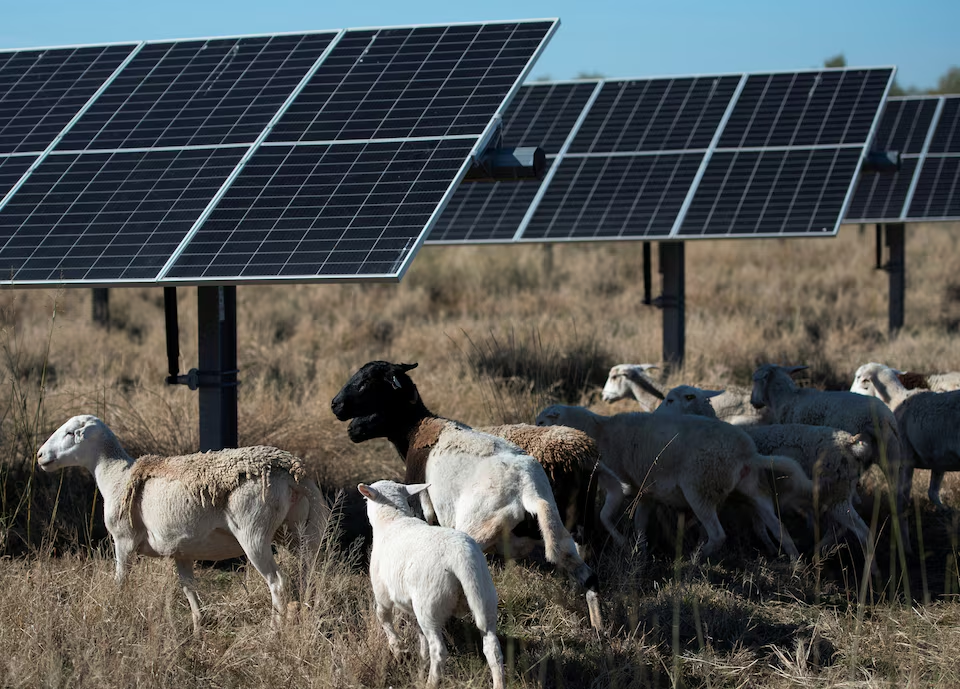
PROGRAM HAD BEEN PAUSED
The Trump administration halted REAP applications this year as it worked to rewrite program regulations, and last year it restricted eligibility for solar projects. Agriculture Secretary Brooke Rollins said solar was taking up prime farmland needed for crops.
Nearly 64% of REAP projects since 2017 were solar arrays, according to USDA data, enabling farms and other rural businesses to generate their own power and save on utility bills.
REAP has historically been a bipartisan, widely supported program, said Ann Mesnikoff, federal legislative director at the Environmental Law & Policy Center, which sued the Trump administration in September for its changes to REAP's solar eligibility.
More than two thirds of REAP grants have gone to recipients in Congressional districts held by Republicans, according to a Brookings Institution analysis of federal data published last year.
The program was so popular that Veronica McFadden in 2023 left her job with a solar company to start an Iowa-based business dedicated to helping farmers apply for REAP grants. Business has dried up since the program stalled and in August she was forced to lay off all five of her employees.
McFadden is uncertain whether many of her clients will be able to take advantage of the program under the new rules.
"Now it's much riskier," McFadden said of the rules unveiled last week. "And for small farmers, particularly young farmers ...they may not be able to do this, pay it all upfront."
McFadden recently helped Michigan dairy farmer Ron Rusk apply for a REAP grant to help fund an $85,000 ground-mounted solar project to provide about 80% of his farm's electricity, which he hoped would help him pass the farm on to his son.
"It would be a nice asset for him to have going forward to make this operation economically viable, which is not always the case," said Rusk, whose grant was never awarded.
DISCLAIMER: The Views, Comments, Opinions, Contributions and Statements made by Readers and Contributors on this platform do not necessarily represent the views or policy of Multimedia Group Limited.
Tags:
DISCLAIMER: The Views, Comments, Opinions, Contributions and Statements made by Readers and Contributors on this platform do not necessarily represent the views or policy of Multimedia Group Limited.
KioskNews shows a cleaned-up reading view extracted from the publisher’s page — the original always lives on their site, not ours.