OpenClaw creator says he spent $10 million in tokens last month
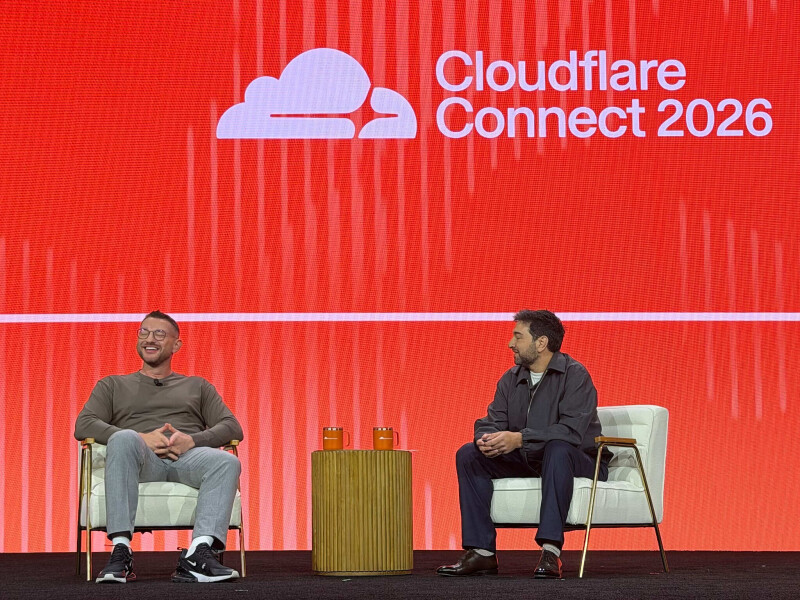
Peter Steinberger, member of technical staff at OpenAI and the creator of OpenClaw, estimates that he spent around $10 million in tokens running AI workloads last month. But don't feel bad for him, because it's all coming out of investors' pockets.
He made this admission at the Cloudflare Connect 2026 conference in San Francisco on Wednesday, in a conversation with Cloudflare CTO Dane Knecht.
Knecht previously observed that Steinberger has acknowledged having "a virtually unlimited token budget, which not all of us in the room have."
REG AD
Responding to the audible surprise rising from the audience, Steinberger added, "What people don't always understand is not all of that is useful."
REG AD
That only amplified the murmuring, perhaps not the effect he had been after. Meanwhile, his employer, OpenAI, is reportedly trying to "accelerate funding" ahead of rival Anthropic's expected IPO.
Steinberger's subsequent musing about his preferred way of working failed to recognize Knecht's acknowledgement of financial limitations.
"I feel like the main challenge a lot of people still have is that our infrastructure structure hasn't really caught up yet," Steinberger said. "Like why is this still using my computer? Shouldn't this all be in the cloud?"
Apart from the privacy and compliance implications of relying on cloud-based AI, cost remains a consideration for anyone not setting venture funds alight. Cloud-hosted agents can be expensive. Shouldn't this all run locally?
Pointing to the OpenClaw project and how a lot of open source maintainers have given up accepting pull requests due to frustration with AI slop, Knecht asked Steinberger whether we're approaching the death of open source or a golden age of AI.
Steinberger said he thinks the way pull requests are handled needs to change because people don't explain how they arrived at their proposed changed code.
"If I see your thoughts, how you got from A to B, my trust in the output is way higher than if you just throw the finished work across the fence," he said.
Knecht also asked Steinberger whether everyone in the room would have hundreds of AI agents running in a few years.
REG AD
Steinberger doubts it will be hundreds.
"I think everyone will have some sort of intelligence that runs and thinks and helps them throughout the day or even predicts what could help you in the future," he said. "So instead of asking the question, maybe you already get the answer."
Toward the end of the session, Knecht raised the issue of trust and how to know what data to give to an agent.
That's a hard question, Steinberger admitted. Part of it, he said, has to do with how much you trust the underlying model itself, because so much of model behavior is not governed by the harness – the code that wraps the model.
"A lot of decisions that I built into OpenClaw early on now can change because the models are so much better," he said.
Even if risks like prompt injection have been reduced through engineering efforts, Steinberger said, "you might not want to give your agent all the permissions."
Instead, he suggested using an agent to authorize your agent.
"You want to have another agent that can give it permissions or not and then this agent has to negotiate with another agent," he said. "Many times the agents are like, 'oh yeah, actually maybe I shouldn't do this,' or 'there's a simpler way that keeps it within the guardrails.' So those those two systems combined greatly increase my trust that I just can let the agent rip." ®
KioskNews shows a cleaned-up reading view extracted from the publisher’s page — the original always lives on their site, not ours.