How cops are turning Negros classrooms into a frontline vs school violence
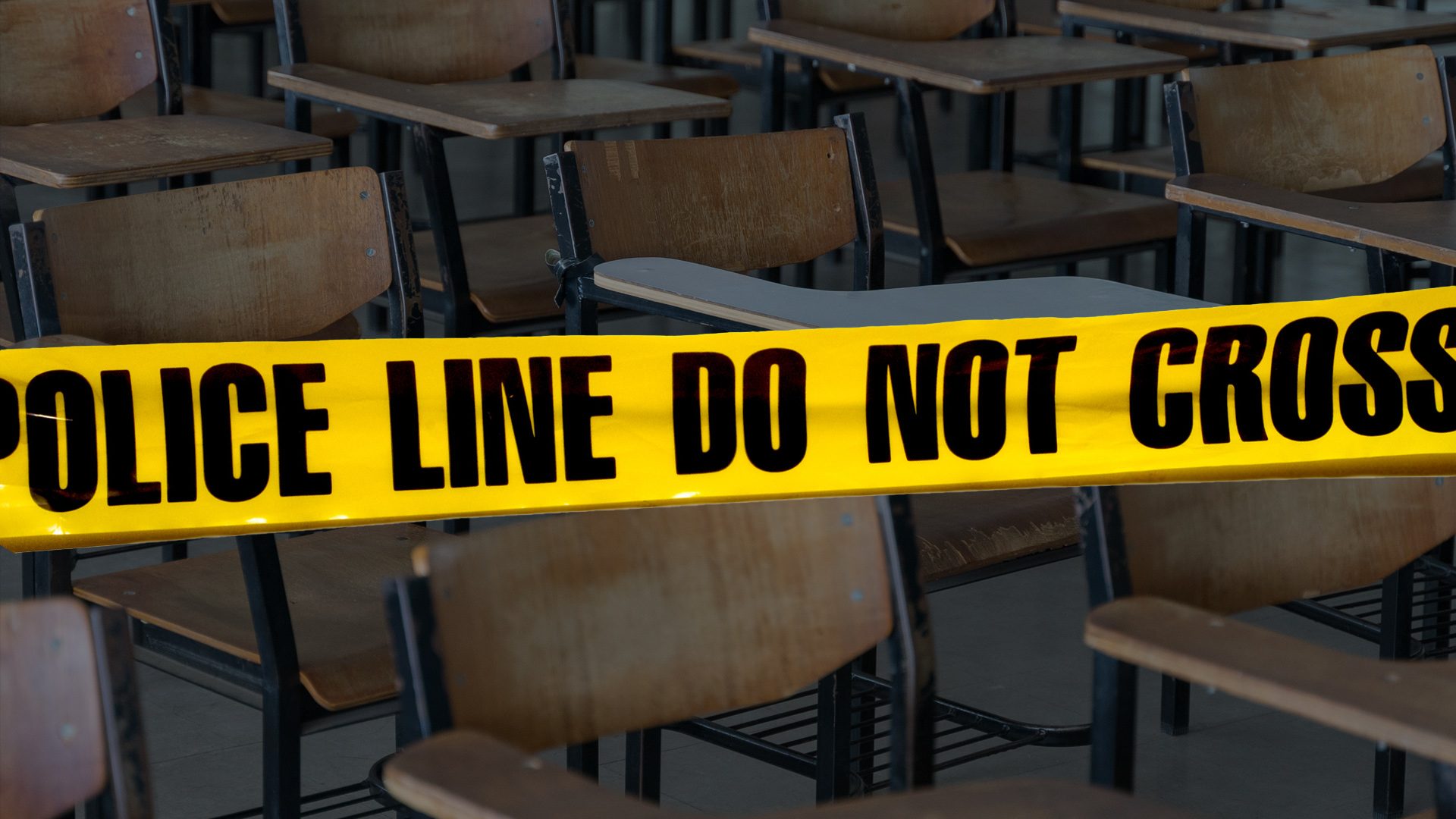
- Police Brigadier General Rudecindo Reales initiated the 'CampuSaya' program in Negros Occidental to address school violence and bullying by involving police officers as mentors and lecturers in schools.
- The initiative aims to create safer school environments for 1.4 million students through a focus on mental wellness, campus security, and encouraging students to report threats or bullying.
- CampuSaya has mobilized nearly 2,000 security volunteers and emphasizes partnerships with local government and parents to foster a supportive community for students.
This is AI-generated. Read the article for full context. Report any errors.
NEGROS OCCIDENTAL, Philippines – A father of two high school students, Police Brigadier General Rudecindo Reales had been watching with growing concern as violence swept through school campuses in different parts of the country.
The deadly incidents were far from the Negros Island Region (NIR), but their impact was close enough to worry him about the safety of many of the region’s school children.
When he took over as the region’s police director in early September, Reales began working on an initiative that would take the police beyond their traditional role as security personnel and put them in classrooms to help prevent bullying and violence.
The result was “CampuSaya,” a play on the phrase “campus na masaya” (happy campus), which brings together nearly 200 police officers with backgrounds in psychology, teaching, and guidance counseling to reach 1.4 million junior and senior high school students in Negros Occidental, Negros Oriental, and Siquijor.
Using instructional materials designed to address troubled learners, the cops will serve as lecturers and mentors, visiting schools throughout the region until June 2027.
With the slogan “Resilient Minds, Kind Hearts and Zero Hate,” the initiative aims to create safer schools where students feel protected, valued, and free to pursue their dreams.
CampuSaya held its inaugural launch at the Bacolod City National High School (BCNHS) on October 22, followed by another in Talisay City, Negros Occidental, the next day. Launches in Dumaguete City and Siquijor followed on October 29 and 30, respectively.
Reales told Rappler on Wednesday, October 28, that CampuSaya was an initiative unique to the NIR, and it was something he was already planning even before he was assigned as the region’s top cop.
Before taking up the post, he served in the Philippine National Police Civil Security Group (CSG), where he headed the Supervisory Office for Security and Investigation Agencies (SOSIA).
Reales, the relatively new region’s third police director, replaced Brigadier General Romano Cardino, who led the PNP in the NIR nearly four months.
Father’s fear
He said CampuSaya was also born out of a father’s fear – the kind that follows reports of children dying in places meant to keep them safe. Beyond his responsibilities as a police chief, he was watching the violence unfold as a parent of two high school students.
“Tatay rin ako (I am also a father). And I am also a bit worried about what happened in school campuses in other parts of the country,” he said.
The incidents were too shocking to be easily forgotten. These were deadly shootings involving young students: three people were killed at Banga National High School in South Cotabato on September 18, two at Ateneo de Zamboanga in Zamboanga City on August 18, and three at San Jose National High School in Tacloban City.
In his first month in the NIR, Reales had to contend with a series of bomb and shooting threats targeting schools in the region. These included schools in the towns of EB Magalona and Isabela, the cities of Victorias, Escalante, Bago, Kabankalan, and Bacolod in Negros Occidental, and Dumaguete in Negros Oriental.
A police assessment identified the need to strengthen physical security in schools to prevent a recurrence of the deadly violence reported in Tacloban, Zamboanga, and South Cotabato.
“That is why we immediately partnered with the Department of Education, local government units, barangay councils, and force multipliers to ensure that all public and private schools in the region are provided with security personnel,” Reales said.
CampuSaya has since mobilized close to 2,000 security volunteers.
“In larger schools with thousands of students,” he added, “we actually provide police personnel as peacekeepers.”
But Reales said keeping intruders and other threats away from school grounds was only part of the challenge.
“Beyond campus security,” Reales stressed, “we also need to ensure the mental wellness of the learners via a holistic approach: CampuSaya.”
Pillars
The initiative rests on three pillars: strengthening campus security, ensuring student mental wellness, and fostering a culture of reporting.
The third encourages students to report threats or suspicious behavior by fellow students and classmates to school or police authorities. It also seeks to empower them to speak up against bullying rather than remain silent.
By encouraging students to report concerns early, police hope to respond promptly and prevent threats from escalating into violence.
The program also extends beyond school gates through the region’s police community relations offices.
PNP personnel in the region would work with parents, teaching them how to communicate more effectively with their children through meaningful conversations that encourage good behavior. Parents would also learn to recognize warning signs in their children’s behavior.
“Let us turn our concern into action and our partnership into protection,” Reales said.
At BCNHS, principal Richard Gelangre welcomed the program, describing it as an important initiative for the psychosocial well-being of students.
“Together with schools, CampuSaya can guide children to stay away from the bad influences of certain internet games,” Gelangre said.

Gladys Amylaine Sales, schools division superintendent for Negros Occidental, called CampuSaya as a promising school safety initiative built on meaningful partnerships.
She said the program reflected a shared commitment to building safe, caring, inclusive, and resilient learning communities, while nurturing students who are resilient in mind, kind in heart, and free from hate.
For Reales, the challenge now is to turn that vision into a sustained effort, one that makes schools not only more secure but also places where children feel safe enough to learn, speak up, and grow. – Rappler.com
KioskNews shows a cleaned-up reading view extracted from the publisher’s page — the original always lives on their site, not ours.