From glucose sensors to AI: Top diabetologists chart roadmap for affordable tech aids
Imagine waking up in the middle of the night, checking your glucose level and discovering that it has dropped dangerously low. Or spending an entire afternoon wondering why your blood sugar keeps rising despite having followed your usual diet and medication routine. For millions of people living with diabetes, such situations are part of everyday life.
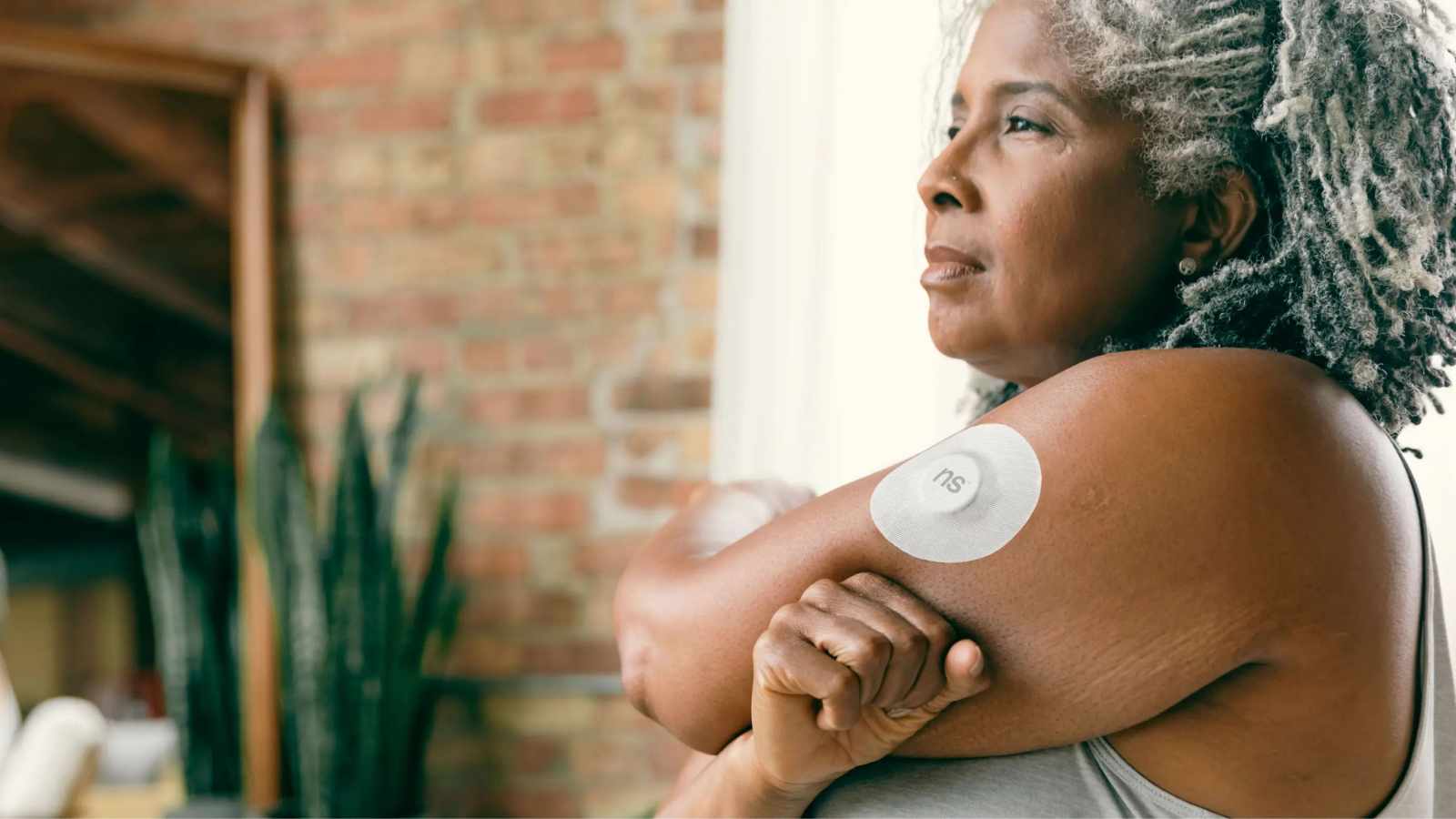
Now imagine having a small sensor on your arm that continuously tracks glucose levels, alerts you when they are falling or rising, and allows your doctor to see patterns that a conventional finger-prick test might miss. This is what modern diabetes technology promises. But there is a catch. The technology may be advancing rapidly, but can everyone who needs it actually afford it? And even when someone gets a device, do they know how to use it, understand the information it provides and act on it correctly?
These are precisely the questions addressed by a newly published consensus statement from the Research Society for the Study of Diabetes in India (RSSDI). Published in the International Journal of Diabetes in Developing Countries, the RSSDI consensus statement on the use of diabetes technology in India presents 45 recommendations covering eight important areas of diabetes care. Dr Jothydev Kesavadev, the Kerala-based research diabetologist and first author, has worked with a group of leading Indian diabetes specialists to put such a document together.
“The central message is both practical and important: diabetes technology should not be viewed as a luxury gadget or a fashionable addition to treatment. It should be an effective clinical tool, selected according to individual needs, supported by proper education and made affordable to those who need it,” he says. “Doctors must remain accountable for treatment decisions but technology will help in management of diabetes, which could fall through the cracks despite physical consultation, which may happen once a month or even longer,” he adds.
From occasional finger-pricks to knowing what happens throughout the day
A finger-prick reading tells us what the glucose level is at that particular moment. It does not necessarily reveal what happened two hours earlier, what is happening during sleep or whether glucose levels are steadily rising or falling. A Continuous Glucose Monitor (CGM) changes this picture. This small sensor worn on the body measures glucose in the fluid beneath the skin and provides repeated readings, trends and, depending on the device, alerts for high and low glucose levels.
For someone with diabetes, this can make a considerable difference. For instance, a person might notice that glucose levels repeatedly rise after dinner, or that they tend to fall during the early hours of the morning. These patterns may remain hidden when monitoring is limited to a few isolated readings.
The doctor, too, gets a more meaningful picture of what is happening between consultations and can recommend appropriate treatment or lifestyle decisions.
Story continues below this ad
Type 1 diabetes: Technology should begin early
The RSSDI consensus recommends starting continuous glucose monitoring (CGM) as soon as possible after a diagnosis of type 1 diabetes, wherever affordable and accessible. It also identifies automated insulin delivery (AID) as the standard of care. “These systems combine a glucose sensor, an insulin pump and a computer algorithm that adjusts insulin delivery based on glucose readings. In simple terms, they automate some of the daily work of managing diabetes. However, users still need to understand how to respond to meals, exercise, illness, changing glucose levels and device failures. Backup insulin and glucose-testing arrangements remain essential,” says Dr Jothydev.
Type 2 diabetes: Who needs a glucose sensor?
CGM is not just for people with type 1 diabetes. The consensus recommends considering it for selected people with type 2 diabetes, particularly those whose glucose levels remain above target, are at risk of dangerously low glucose, or need help understanding how food, exercise and medication affect their readings. “The objective is to identify patterns and make informed treatment or lifestyle changes, not to make patients anxious about every fluctuation,” says Dr Jothydev.
Doctors need to understand the data, too
A glucose sensor can generate thousands of readings, but the information is useful only when interpreted correctly. The consensus recommends the Ambulatory Glucose Profile (AGP), a standardised report that helps doctors assess how much time a person’s glucose remains within the desired range, how often it falls too low or rises too high, and how widely it fluctuates. It also provides an estimate of long-term glucose control.
The panel calls for appropriate clinician training and stresses that conventional finger-prick testing remains necessary when symptoms do not match sensor readings or the device’s accuracy is in doubt.
Story continues below this ad
The affordability challenge
For Indian families, the recurring cost of diabetes technology can be a major barrier. Sensors need regular replacement, while insulin pumps require additional supplies, maintenance and training.
The consensus cites indicative Indian retail prices from September 2026: approximately ₹493-₹1,199 for 50 conventional glucose-monitoring strips, compared with ₹3,100-₹5,138 for a CGM sensor lasting 14-15 days. Continuous monitoring could therefore cost around ₹6,200-₹11,000 a month for sensors alone.
“We have even pushed for more Make In India subsidies, insurance coverage, negotiated procurement and sustainable financing so that access to technology is determined by medical need rather than ability to pay,” says Dr Jotheydev. Where advanced devices are unaffordable, lower-cost alternatives should remain available, although they may not offer equivalent benefits. “We have even asked for these to be available at the primary health centre level and training ASHA workers in technology,” says Dr Jothydev.
Taking diabetes technology beyond cities
The consensus explores the possibility of involving trained community health workers, including ASHAs and ANMs, in helping rural patients upload glucose reports for remote specialist review. “Such a model could reduce travel and improve access to expert advice,” he says.
Story continues below this ad
People using sensors or insulin pumps must understand alerts, glucose trends, insulin management, sick-day precautions and what to do when devices fail.
Smart devices and AI: Proceed with caution
Smartwatches and fitness trackers can encourage physical activity by monitoring movement, heart rate and sleep. However, the consensus warns against relying on consumer devices claiming to measure blood glucose without adequate clinical validation and regulatory approval. Similarly, AI-based applications may eventually help identify glucose patterns and personalise treatment, but require clinical validation, data privacy safeguards and human oversight.
KioskNews shows a cleaned-up reading view extracted from the publisher’s page — the original always lives on their site, not ours.