The 10 Most Suspenseful Noir Movies of All Time


Ryan Heffernan is a Senior Writer at Collider. Storytelling has been one of his interests since an early age, with his appreciation for film and television becoming a particular interest of his during his teenage years.
This passion saw Ryan graduate from the University of Canberra in 2020 with an Honours Degree in Film Production. In the years since, he has found freelance work as a videographer and editor in the Canberra region while also becoming entrenched in the city's film-making community.
In addition to cinema and writing, Ryan's other major interest is sport, with him having a particular love for Australian Rules football, Formula 1, and cricket. He also has casual interests in reading, gaming, and history.
The impact that film noir had on thriller cinema throughout its heyday in the 1940s is as profound as it is timeless. The genre normalized morally challenging stories that steered away from traditional heroes and villains in favor of more ambiguous figures, explored complex themes of fatalism and human depravity, and revolutionized the aesthetic of cinema with its high-contrast chiaroscuro lighting that found tension and turmoil in every shadow.
Of course, the genre has also produced many of the most suspenseful movies ever made as well, but that isn't to say that every noir classic exudes this sense of tension, with many—including all-time greats like The Maltese Falcon and Sunset Boulevard—excelling more through their atmosphere, performances, and mystery intrigue rather than their mastery of cinematic anxiety. The noir movies that do get the heart racing most include everything from foundational '40s classics to modern-day masterpieces. The entries on this list display the genre at its most agonizing and stressful.
'The Asphalt Jungle' (1950)

An underappreciated noir gem and an early pioneer of heist cinema as we enjoy it today, The Asphalt Jungle is a gripping pressure-cooker of human desperation that evolves magnificently. The 1950 masterpiece follows a bold criminal recently released from prison who works with a cash-strapped lawyer to assemble a team of crooks to steal a stash of valuable jewelry. While the heist is successful, tensions soon arise as the fragile alliances between the thieves crumble as a festering sense of self-preservation inspires deceit, treachery, and murder.
Meticulously directed by John Huston, who uses claustrophobic camerawork and agonizing silence to heighten everything from the robbery itself to the calamitous aftermath, The Asphalt Jungle engrosses viewers in a volatile ticking-clock of untrusting characters doomed to suffer from their own faults. Able to mix this sense of fatalistic, flawed characters with a compelling sense of empathy, the movie delivers one of the most transfixing portraits of the rise and fall of criminal ambition that cinema has ever seen.
'Nightcrawler' (2014)

One of the most criminally underrated movies of the 2010s, Nightcrawler ensnares viewers in its grimy amoral honesty as it combines ferocious character study with integral noir styles and themes. Jake Gyllenhaal is as mesmerizing as he is haunting as Lou Bloom, a sociopathic petty criminal who turns to freelance journalism. Acquiring a camcorder, he scours L.A. by night in pursuit of the most graphic and horrific news stories that he can capture footage of and sell to a local news station.
While it makes some substitutions to the classic noir form—swapping a dogged P.I. for a predatory cameraman, switching from bleak fatalism to a sense of disturbing, world-weary volatility—Nightcrawler still embraces the genre’s themes of amorality, ethical and institutional corruption, and exploitative media. Combined with Gyllenhaal’s unflinching performance, it also uses these elements to conjure a sense of frightful unpredictability and raw inhumanity. Viewers dread what line Bloom will cross next as his moral decay is only exacerbated by the chaos and greed around him.
'Touch of Evil' (1958)

While film noir is renowned for its intensity, it usually operates with a slower tempo that can steadily lure viewers into the suspense and intrigue. Touch of Evil, however, wastes no time in establishing the stakes. Masterfully directed by Orson Welles, it opens with a stunning, painstakingly meticulous one-take that depicts a time bomb being placed in a car before its unsuspecting owners begin driving through a busy street in a town along the U.S.-Mexican border. Each traffic stop and every pacing second is full of agonizing anticipation.
The eventual explosion kicks the story of the film into gear, with Mexican special prosecutor Miguel Vargas (Charlton Heston) investigating a drug syndicate for the bombing alongside Hank Quinlan (Welles), a bigoted and corrupt American police captain. It is a relentlessly intense story of Vargas’ morality being challenged at every turn by the indecency of the world around him. The point is perfectly complemented by the film’s use of claustrophobic framing and layered, grating diegetic sound design that builds a frenetic and hostile world.
'Out of the Past' (1947)

Out of the Past may not be universally revered like some of film noir’s most iconic hits of the 1940s, but there is no doubting it should be. It follows Jeff Bailey (Robert Mitchum), a retired private investigator living with his girlfriend while managing a gas station in small-town California. His shady past catches up with him in the form of Whit Stirling (Kirk Douglas), a crime boss who once hired him to track down his runaway girlfriend, Kathie Moffat (Jane Greer), and return her along with the $40,000 she stole, an assignment Jeff never completed.
With Bailey dragged back into the fold on Whit’s polite though malevolent orders, Out of the Past extracts suspense from its labyrinthine plotting. It delivers a procession of double-crossings and manipulation that Bailey is helpless to navigate, especially when he meets Moffat and finds he is still under her hypnotizing and destructive spell. The tug-of-war between desire and self-preservation imbues the movie with agonizing tension that gives Mitchum, Douglas, and Greer particularly plenty of depravity and depth to revel in.
'The Third Man' (1949)
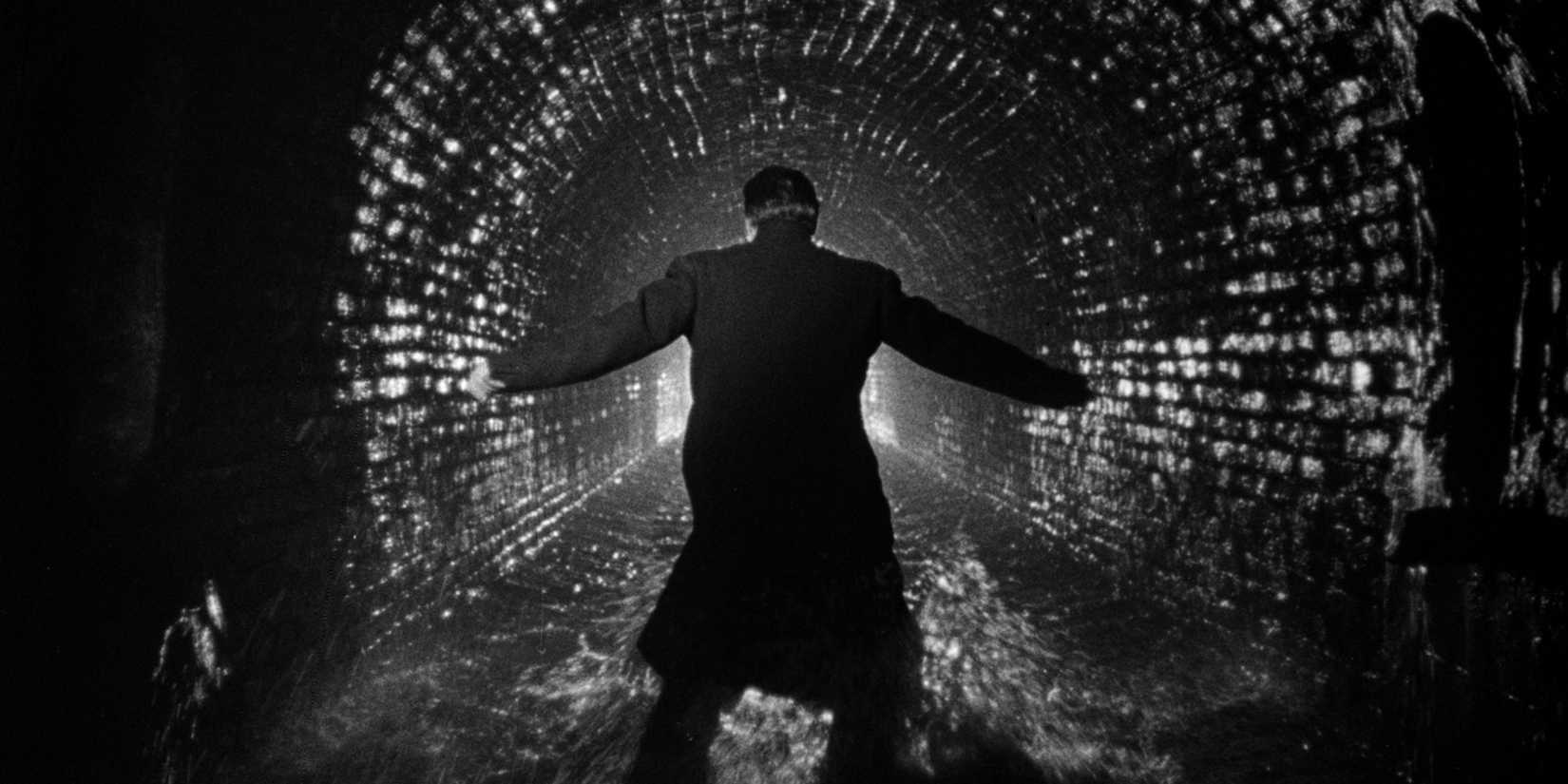
Not only one of the most suspenseful noir films of the 1940s, but one of the truly quintessential masterpieces of the genre as well, The Third Man finds its lasting legacy and ageless tension in its sharp storytelling, confounding mystery, and its bold and brilliant departures from noir tropes. The disconcerting zither score, cleverly implemented Dutch tilts, and engrossing setting of post-WWII Vienna are among its most distinct qualities, conjuring a sense of perpetual unease. Struggling American novelist Holly Martins (Joseph Cotten) investigates troubling inconsistencies in the accounts of the death of his friend, Harry Lime (Orson Welles).
The central question—who was the unknown third man at the scene of Lime's demise?—fuels the movie with a sense of unraveling malice complemented by the city’s divided political landscape, a web of espionage, corruption, and simmering hostility. The truth behind the mystery is far more disturbing than Martins could have ever predicted, with the final act of The Third Man a gripping masterclass in cinematic suspense that shatters all illusions of humanity and good faith through its cold presentation of greed, deception, and wicked scheming.
'Se7en' (1995)

One of the defining films of the 1990s as well as a modern masterpiece of mystery suspense. Se7en plunges traditional ideas of noir cinema into a shocking spectacle of utter evil and moral decay. The story itself is relentlessly frightful, following two detectives as they investigate an at-large serial killer whose murders are inspired by the Seven Deadly Sins. Beyond its precise plotting and graphic detail, the film is also a masterclass in cinematic tension.
David Fincher soaks the horrific case in a visceral atmosphere that feels truly sickly. The desaturated, green-tinged color palette, unyielding rain, and claustrophobic murder scenes conjure a sense of gloom that feels as though it infects the soul. This inescapable mood of glum urban despair only makes the countdown aspect of the killer’s seven victims all the more intense, especially as it captures the integral noir idea of fatalistic dread with aplomb. It all culminates in what is one of the most disturbing climaxes cinema has ever seen. Se7en is among the greatest crime movies ever made, and a standout triumph of neo-noir cinema.
'Chinatown' (1974)
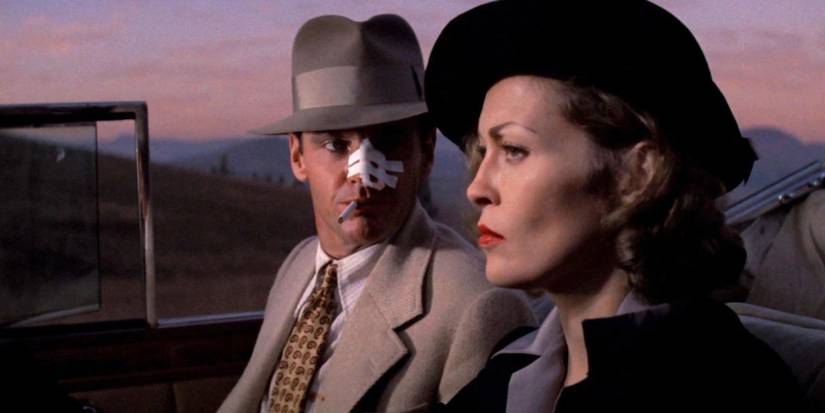
Classic film noir is defined by its moral ambiguity, rich visuals, and its elaborate mysteries. The neo-noir films of the ‘70s excelled by taking these ingredients and imbuing them with a scathing eye towards corruption in social institutions and an appetite for more confronting and raw depictions of sex, violence, and human evil. Chinatown is the epitome of this thesis, following private eye Jake Gittes (Jack Nicholson) as he navigates 1930s L.A. after being embroiled in the mystery surrounding the death of a key city planner amid the California water wars.
Bolstered by a faultless screenplay, Chinatown forces viewers to feel how trapped and engulfed Gittes is in the case. He is completely out of his depth, and the movie illustrates this point brilliantly by placing the audience directly in his perspective throughout, with every shocking discovery imposing a sense of damning smallness amid a world of towering corruption and power. While its bleak conclusion was nothing new for noir cinema, Chinatown’s fatalism speaks not to a character’s failure, but to the perpetual, unstoppable rot of society.
'The Night of the Hunter' (1955)

Initially a woefully misunderstood flop that only gained the recognition it deserved decades after its release, The Night of the Hunter has become a true cult gem of noir suspense. It also marks the sole directorial effort of renowned actor Charles Laughton, and it proves he had a gifted eye for filmmaking, especially with regard to impressionable visuals. The film is as mesmerizing as it is menacing with its stark German Expressionism motifs that include imposing lighting contrasts, unnerving set design, and astonishing camera angles.
Laughton’s handling of the story is equally intense, capturing a sense of twisted fairy tale ferocity and malicious criminal ambition. It follows a serial killer who presents himself as a priest to get close to the family of an executed bank robber in order to find where he stashed the stolen cash. It is an enthralling exploration of good and evil, with the innocence of childhood clashing with Harry Powell’s (Robert Mitchum) terrifying, calculated malevolence. Complimented by some of the most harrowing shots film noir has ever seen, The Night of the Hunter embodies the genre at its most thematically impactful and viscerally suspenseful.
'No Country for Old Men' (2007)
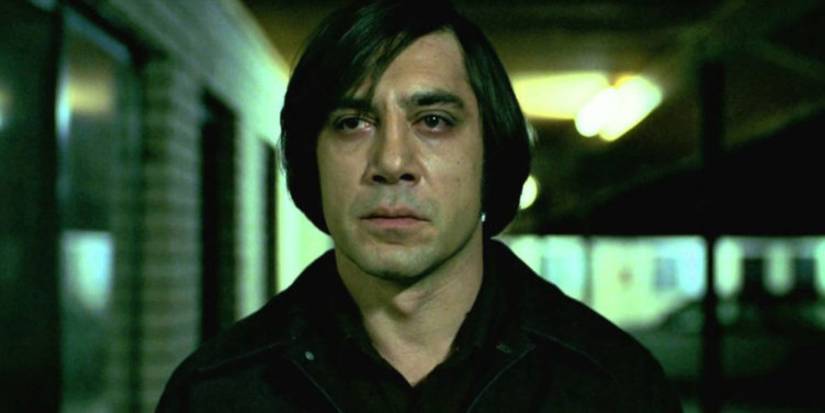
Film noir has evolved exponentially over the years, going from a tight, almost formulaic procession of set tropes to a tantalizing sandbox of experimentation and genre-meshing majesty. No Country for Old Men is the epitome of this, functioning as a neo-noir thriller, a bleak neo-Western drama, and a cutting dissection of how the nature of violence and crime have changed in modern America.
Based on Cormac McCarthy’s acclaimed novel and phenomenally directed by the Coen Brothers, it tracks a Texan hunter on the run from a psychotic cartel hitman after stealing a case of money from the scene of a shootout. Everything from the piercing tone set by the sparse, natural soundscape to the imposing power of Javier Bardem’s performance, and especially to the subversive and unpredictable screenplay that extracts unbearable tension from simply displaying the tact and cunning of the characters, serves as a catalyst for visceral cinematic tension. The result is an exploration of fate, moral decay, and the shifting societal values that stands as the most bitterly intense movie of the 21st century thus far.
'Double Indemnity' (1944)
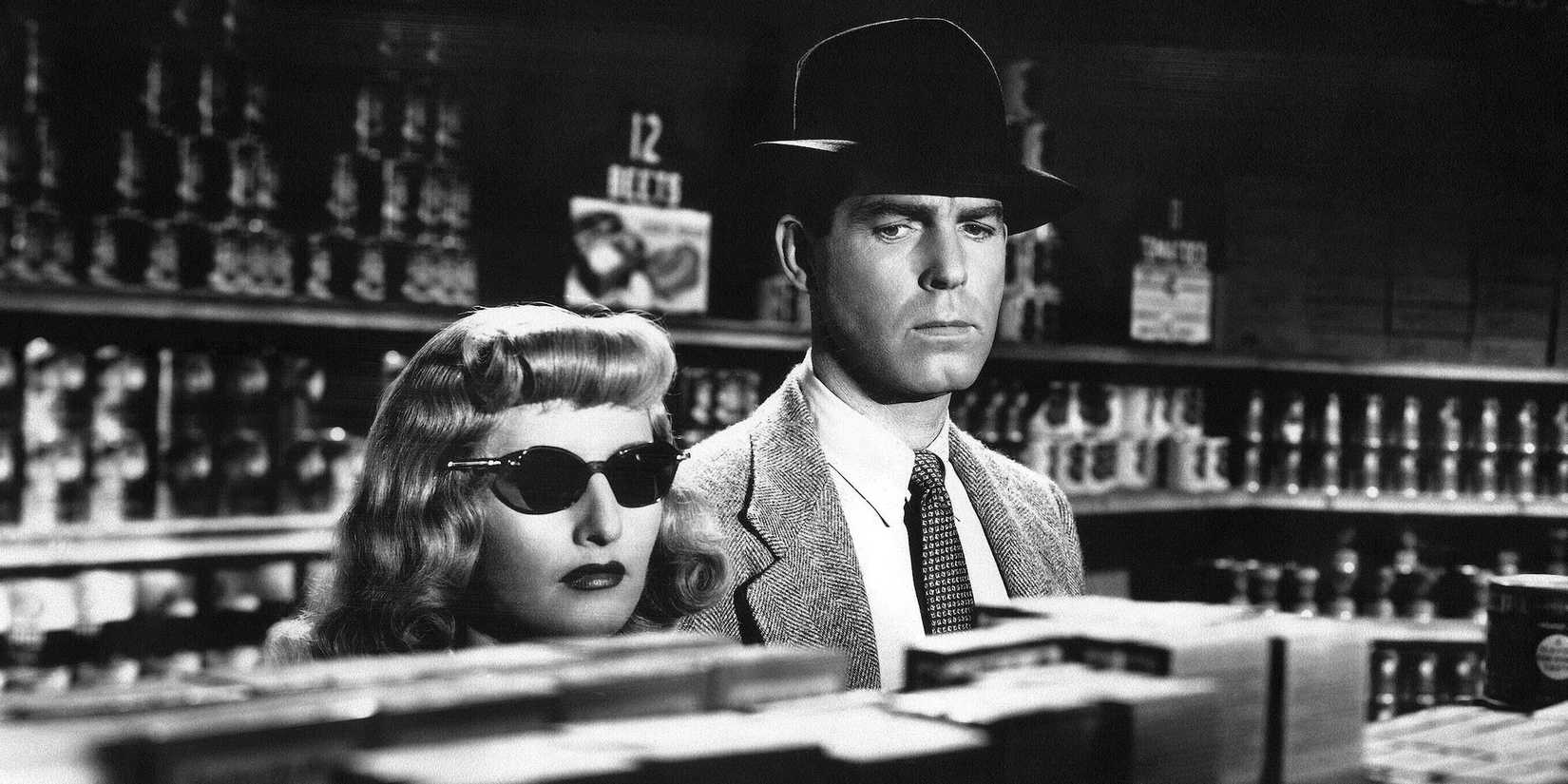
It would be easy to herald Double Indemnity as being the greatest noir film of all time. Based on James M. Cain’s novel of the same name, it follows insurance agent Walter Neff (Fred MacMurray) as he is roped into the scheme of the seductive Phyllis Dietrichson (Barbara Stanwyck) to murder her husband, stage it as a suicide, and claim his life insurance. Their deceitful, lustful conspiracy begins to crack when Barton Keyes (Edward G. Robinson), a sharp-witted insurance investigator and Neff’s colleague, suspects foul play in the case.
Billy Wilder directs the movie in such a way that it is simultaneously a wickedly delightful treat of sinful chaos that inverts the whodunit structure and a commanding feat of cinematic suspense that basks in the simmering paranoia and fraying loyalties of its characters. From its captivating opening scene that ignites the fatalistic intrigue of the genre with piercing impact, Double Indemnity thrives as a methodical crime thriller that suffocates morality in its enthralling journey of desire and ambition.
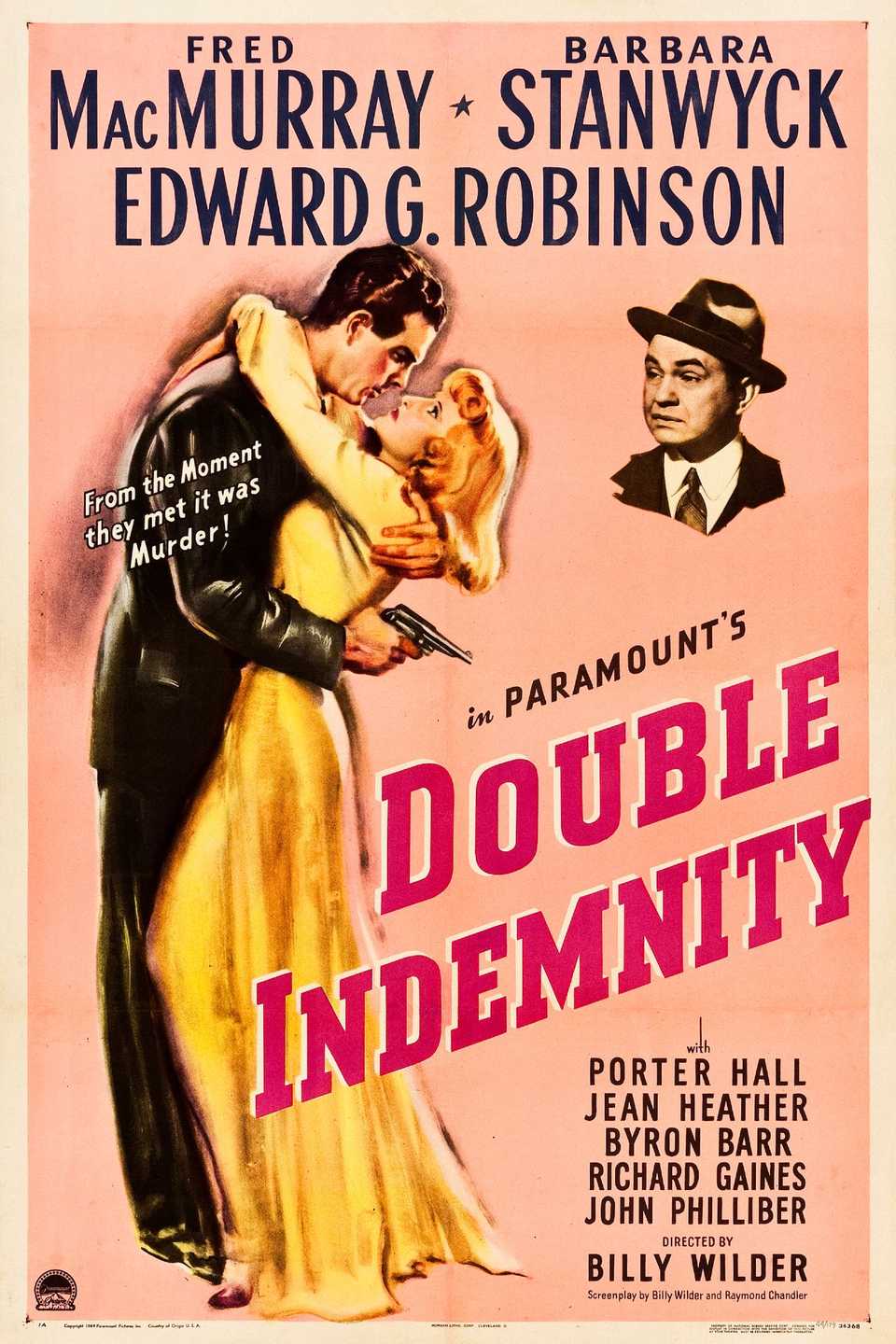
Double Indemnity
- Release Date
- July 3, 1944
- Runtime
- 107 Minutes
- Director
- Billy Wilder
- Cast
- Fred MacMurray, Barbara Stanwyck, Edward G. Robinson, Porter Hall
- Writers
- Billy Wilder, Raymond Chandler
KioskNews shows a cleaned-up reading view extracted from the publisher’s page — the original always lives on their site, not ours.