Three Most AI Resilient Skills, According To Godfather Of AI
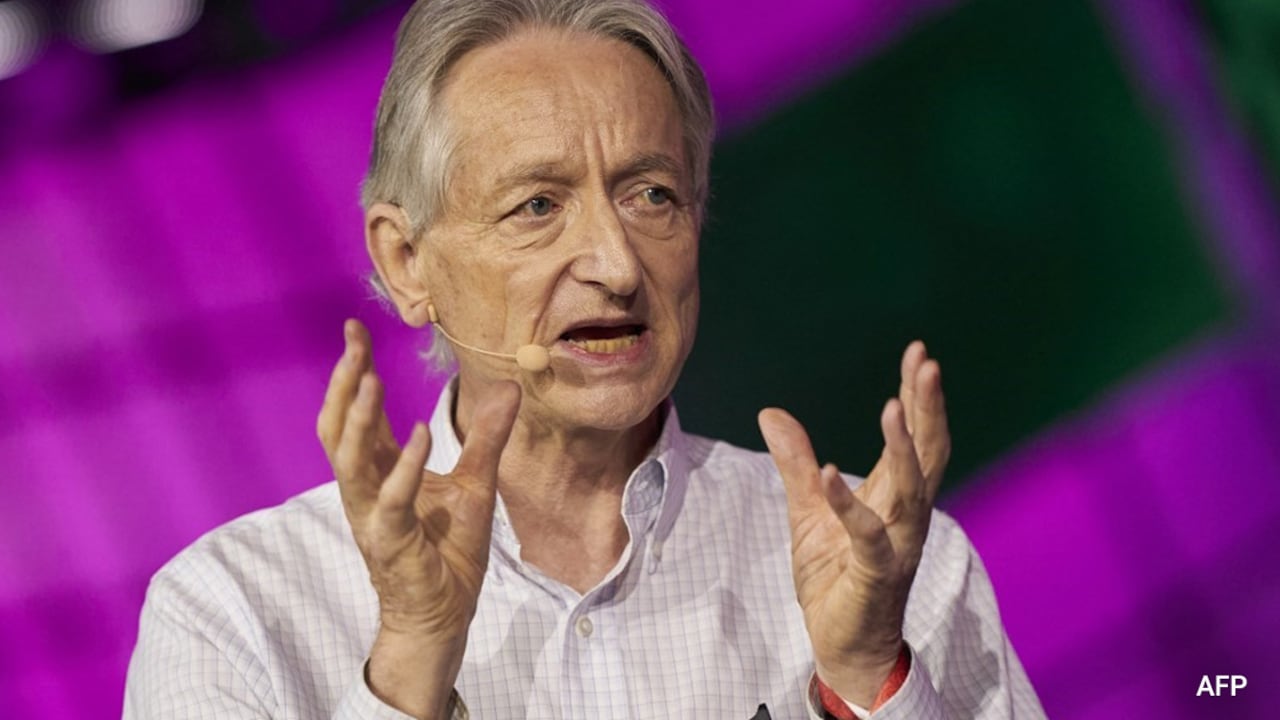
The fact that AI has automated and disrupted several roles across sectors is no secret. And experts believe there's more disruption waiting to happen. Professor Geoffrey Hinton, often called the Godfather of AI, has identified three areas where humans will continue to have an advantage.
The three areas are top-level creativity, manual dexterity and empathy.
AI Can Imitate, But Can It Innovate?
Hinton believes AI is not yet as capable as the very best human creative artists. "AI is not as skilled as top creative artists yet."
It can generate stories, images, music and even write episodes of television shows.
But the highest levels of human creativity remain difficult to replicate, he says. AI today could very well write a new episode of CSI (a popular crime show), he pointed out.
The Physical World Is Harder
There's no doubt about the fact that AI has made enormous progress in the digital world. But robots still struggle with the fine motor skills and adaptability humans take for granted. That's of course, in the works and is getting better, especially the Chinese robots, Hinton concedes.
Handling unfamiliar objects, performing delicate tasks and responding to unpredictable physical environments however still remain challenges for humanoid robots.
Hinton's observation is that AI has not yet mastered manual dexterity.
In the meantime both Tesla and Meta are actively developing humanoid robots that will be increasingly capable of carrying out manual tasks.
Empathy: The Surprising Complication
Hinton believes AI has not yet reached human levels of empathy. However, there's an interesting contradiction he shares. Hinton has found that AI-generated responses can sometimes receive higher empathy ratings than responses from human doctors, he highlights
There is still a critical distinction between sounding empathetic and actually feeling empathy.
Hinton's observations offer a snapshot of where AI stands today, not a guarantee that these skills will remain human territory.
KioskNews shows a cleaned-up reading view extracted from the publisher’s page — the original always lives on their site, not ours.