London Mayor’s office resolves legal dispute with AI giant Palantir over £50m contract
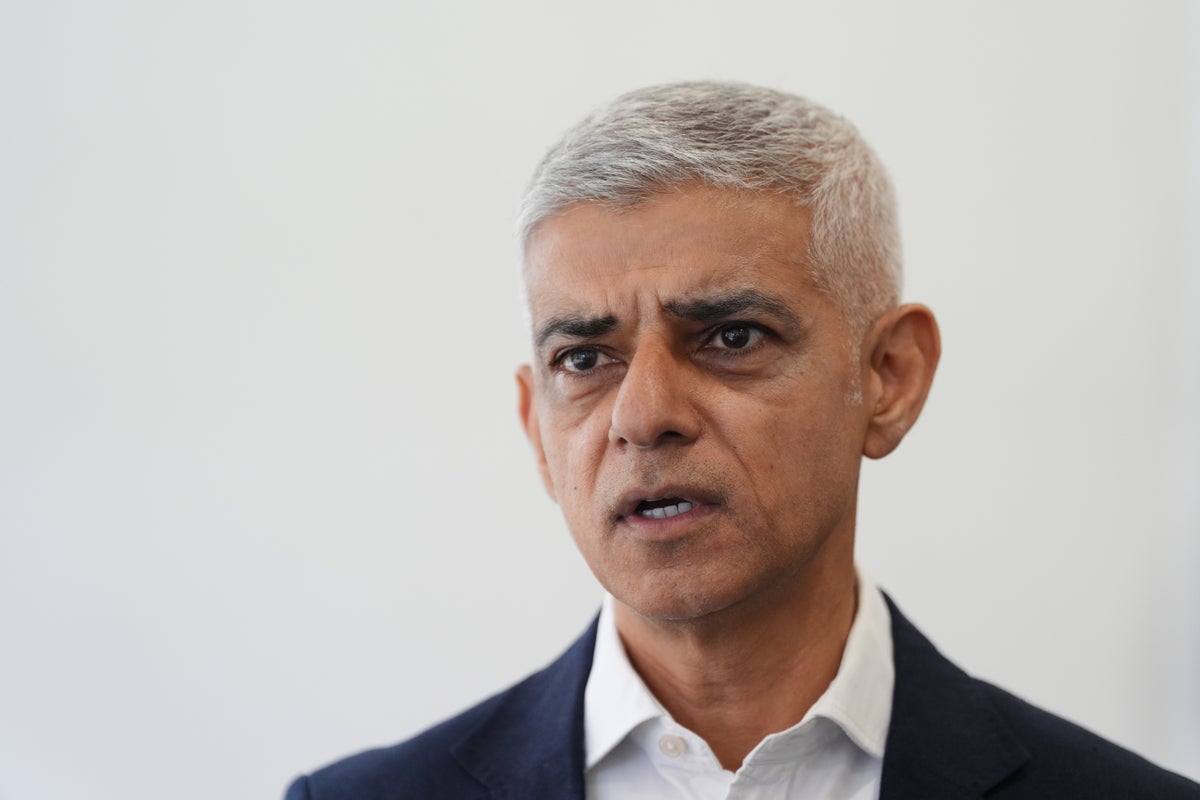
AI tech giant Palantir and the London Mayor’s Office for Policing and Crime have resolved their ongoing legal dispute.
Palantir had taken legal action against Mopac, which sits within the mayor’s office, following a decision to stop the Metropolitan Police from securing a two-year contract for artificial intelligence technology meant to automate intelligence analysis in criminal investigations.
In a statement released on Wednesday, Mopac confirmed that both sides have now formally withdrawn their claims against one another.
“London is the technology capital of Europe, and I am proud that leading software firms choose the city as their home," Mayor of London Sir Sadiq Khan said.
“Palantir makes a significant contribution to jobs and investment in the capital, employing a large number of Londoners whose services have been procured legally by organisations across the UK and beyond.”

His texts and emails would have been searched as part of the legal battle over the blocking of the £50 million deal.
Palantir is still involved in the bidding process for a contract with the Met, which is set to be decided in the spring.
Blocking the contract earlier this year, Mopac said Palantir was the only supplier the Met had seriously considered for the proposed contract.
It also said the force failed to present its procurement strategy to Mopac for approval in a “clear and serious breach” of procedure, meaning City Hall could not ensure value for money.
Palantir then filed a legal claim against Mopac at the High Court in June, with lawyers for the company claiming in court documents that the body introduced an “unlawful veto” by wrongly considering the firm’s “values and ethics” when deciding to block the contract.
However, in a statement on Wednesday, Mopac denied this, saying: “Mopac recognises Palantir’s concerns that media reporting of a statement from the mayor’s spokesperson before the decision was taken could have incorrectly created the impression that an assessment of the company’s values had been a factor in that decision.

“Mopac’s consideration was based upon its statutory role of examining spend proposals, against the appropriate legal tests and the relevant guidance on procurement, governance, affordability and ensuring value for money for Londoners and in doing so it focussed on the available information at the time.”
In June, Metropolitan Police Commissioner Sir Mark Rowley insisted that the process his forced followed was “legally and commercially compliant”, and services and staff might have to be cut after the contract was blocked.
The system to be delivered by Palantir would have allowed the Met to cut 500 jobs in response to a budget shortfall of £100 million this year and £125 million next year, he told the London Policing Board.
The budget for 2026/27 included plans to cut a total of 1,150 jobs in the force, with the work of 500 of those to be covered by AI tools used to reduce the time taken to draw up intelligence reports and analyse mobile phones.

Sir Mark said that in March 2026, the number of Metropolitan Police Service (MPS) officers per 100,000 population was lower than at any point since 1981.
Former deputy Labour leader Tom Watson, who recently joined Palantir, said: “This case sought an answer to a simple question: Are the rules that protect taxpayers in public procurement still applied fairly to everyone?
“The mayor and his team have recognised their actions could have created the impression that the decision to block the UOA contract was based on Palantir’s values.
“I’m very pleased that they have today corrected any such impression, and that even in the face of extreme provocation from highly organised pressure groups, decisions about deploying technology can still be made on their merits and in the public interest.”
KioskNews shows a cleaned-up reading view extracted from the publisher’s page — the original always lives on their site, not ours.