70 Patriots for 20 Iranian missiles: Iran’s evolving tactics strain US interceptor stocks
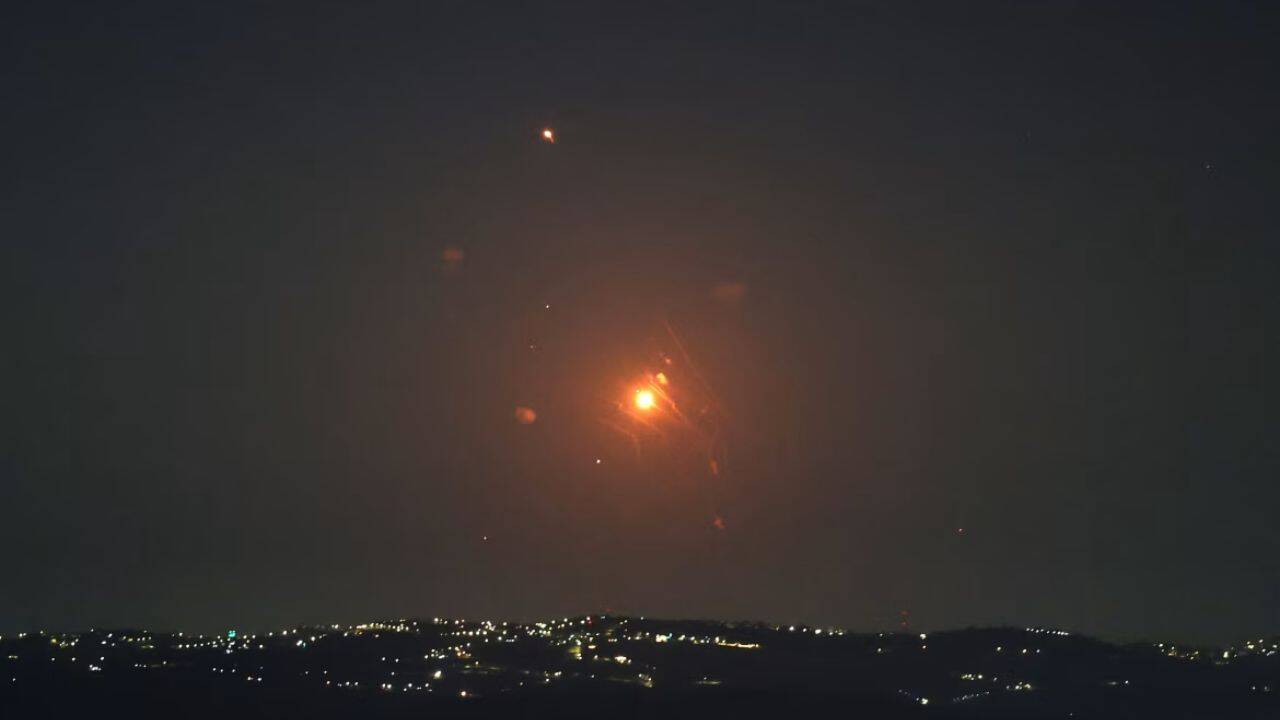
Jordanian air defenses intercepted Iranian missiles last week.
The US is burning through its stockpile of missile interceptors as it defends American forces in the Middle East against repeated Iranian attacks, while Tehran is adapting its missile tactics and designs to make its strikes harder to intercept.The US military fired more than 70 high-end air-defence interceptors to counter an Iranian ballistic-missile attack on American forces in Jordan last week, highlighting the growing demands on US missile defences as Tehran continues to target American military assets across the region.US and regional officials familiar with the attack said American forces used 60 to 70 Patriot interceptors against about 20 Iranian ballistic missiles, along with more than a dozen THAAD interceptors.The scale of the expenditure was unusually high. One US official told The Wall Street Journal that the number of interceptors used was roughly equivalent to what American forces had expended over an entire week at other points in the war.The Iranian attack targeted Muwaffaq Salti Air Base near Azraq, a major US military facility in Jordan. Jordan's armed forces said its air defences engaged 20 Iranian ballistic missiles and destroyed 18, while two fell in unpopulated areas.
Despite the US and Jordanian defensive response, some Iranian missiles reached the base and damaged American aircraft. US officials said an A-10 Thunderbolt II was hit and lost a wing, while roughly eight F-15 fighter jets suffered lighter damage and were subsequently returned to service.No US personnel were killed in the latest attack. An earlier Iranian missile strike on Muwaffaq Salti in July killed three US servicemembers.Iran adapts missile attacks to challenge US defencesAccording to US officials and analysts cited by The Wall Street Journal, Iran is changing the way it conducts ballistic-missile attacks against US forces, varying missile types, flight paths, speeds and manoeuvres to make its strikes less predictable and more difficult for American air-defence systems to counter.Iranian missiles used warheads that separated into multiple projectiles near their targets, according to officials familiar with the attack.
The configuration increased the number of objects that US defences had to track and respond to during the terminal phase.Iran has been experimenting with different flight profiles rather than repeatedly using the same trajectory. Analysts cited by the Journal said the changes appear aimed at complicating the calculations required by missile-defence systems to track incoming weapons and determine when and where to intercept them.Fabian Hinz of Conflict Armament Research said Iran is using its combat experience to refine these attacks. “Every single combat use gives you some sort of data,” he told the Journal, explaining that Tehran can assess which manoeuvres are effective against missile defences and incorporate those lessons into subsequent attacks.Iran is also combining ballistic missiles with high-speed attack drones and less sophisticated missiles against the same targets. The different weapons can approach at different speeds and along different flight profiles, creating a more complex defensive challenge and potentially forcing US forces to use multiple interceptors against a single attack.
KioskNews shows a cleaned-up reading view extracted from the publisher’s page — the original always lives on their site, not ours.