India moves to retain military recruits amid border risks and troop gaps
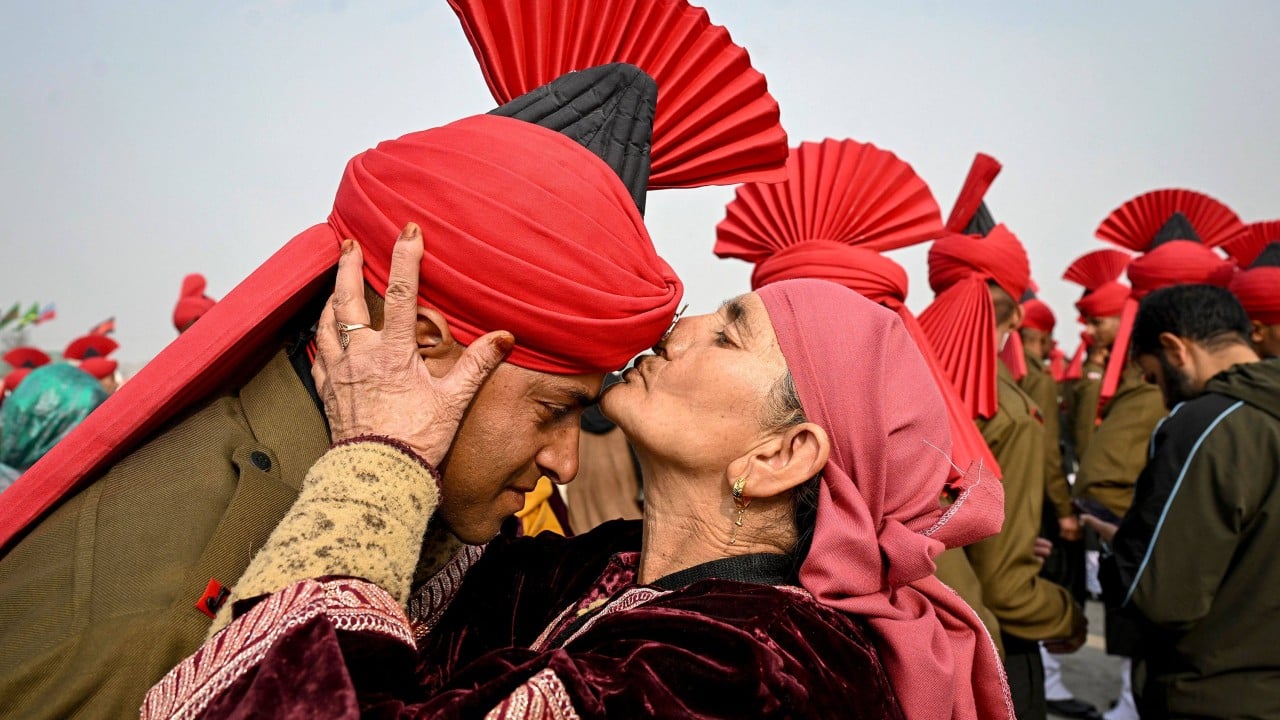
Thousands of Indian soldiers who would otherwise leave the military after four years will be kept on duty, in a major rethink of the country’s controversial recruitment model as New Delhi grapples with persistent manpower shortages and security concerns along its borders with China and Pakistan, analysts say.
Under revisions approved by the federal cabinet last Tuesday, more than 18,000 recruits from the inaugural batch of the Agnipath (“Path of Fire”) scheme will be granted a two-year service extension. The decision applies to the 75 per cent of recruits who were set to exit at the end of their four-year contracts, offering them an extended pathway to compete for permanent military careers.
The move marks a notable shift from the programme launched in 2022, which originally aimed to create a younger, leaner fighting force and curb a ballooning pension bill by restricting permanent absorption to just 25 per cent of recruits, known as Agniveers.
Military experts say the policy course correction reflects a growing recognition that India cannot afford to discharge trained soldiers just as they reach operational maturity, especially along the tense Himalayan border with China. But absorbing a larger pool of soldiers on a permanent basis threatens to blunt the cost savings that drove the original reform.
While retaining these troops limits cost savings, analysts argue it is essential to fix an acute manpower shortage that has persisted since the deadly 2020 border clashes with China in eastern Ladakh and an 88-hour conflict with Pakistan last year.
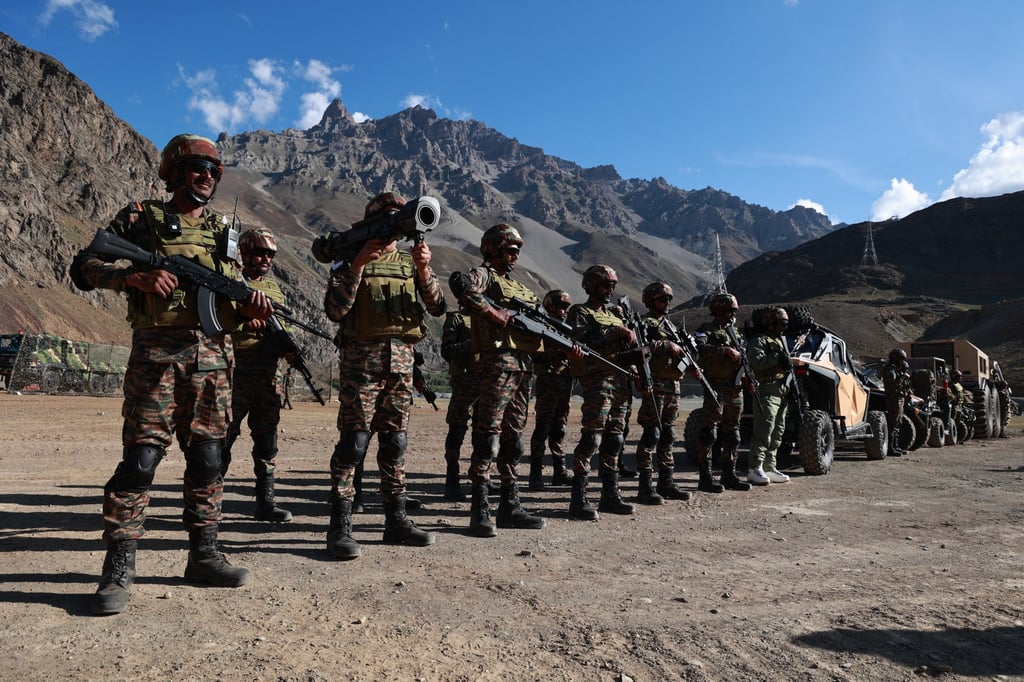
“The Agniveer scheme addresses India’s need to have a large pool of young and dynamic armed forces. This arrangement is necessary as India constantly deals with security threats from adversaries like Pakistan and China,” said Niranjan Marjani, an independent researcher specialising in international relations and geopolitics.
“The two-year extension to 75 per cent of Agniveers completing their four-year tenure will further boost the armed forces’ strength,” he added.
Major General Rajan Kochhar, a retired Indian army officer, warned that adhering strictly to the original retention quota would have stripped the armed forces of vital battlefield experience over the long run.
“What you want is a blend of both youth and experience, just like in the Indian cricket team,” Kochhar said, estimating that sticking to the initial blueprint would have eventually left the military with just 10 per cent experienced personnel.
Kochhar pointed out that a recruitment freeze during the Covid-19 pandemic created a deficit of between 150,000 to 200,000 troops below the military’s authorised strength of 1.3 million. Meanwhile, annual Agnipath intakes of 45,000 to 50,000 fell short of the roughly 70,000 soldiers who retire from the Indian army every year.
Kochhar emphasised that the recruitment process should never allow more than a 2 per cent deficiency in the required number of soldiers.
Military planners have since sought to address the gap, with assessments indicating plans to scale up annual Agniveer recruits to around 100,000 personnel.
While acknowledging that the scheme gave the military greater flexibility to weed out unsuitable candidates compared to the legacy system of 15-year pensionable service, Kochhar argued that eligible candidates should have been screened and absorbed immediately after year four.
Waiting another two years could affect recruits’ morale, Kochhar said, adding that Agniveers performed the same combat and administrative duties alongside regular soldiers when posted to frontline units.
Government and military officials have said that the revisions do not represent a rollback or abandonment of the Agnipath programme, but rather a pragmatic calibration.
“Agniveers are not a separate force. Since 2022, they have been the only way anyone enters the Indian military below officer rank, so the question really is whether India has enough soldiers at all,” said Sanjay Iyer, a retired Indian army brigadier.
The calculation differs sharply across India’s two main operational fronts.
“Against China, numbers do matter. Holding a long, high-altitude Line of Actual Control (LAC) means rotating troops through some of the harshest terrain in the world, and since 2020 both armies have kept large forces forward,” Iyer said. “There is no technological short cut for boots on those ridge lines yet.”
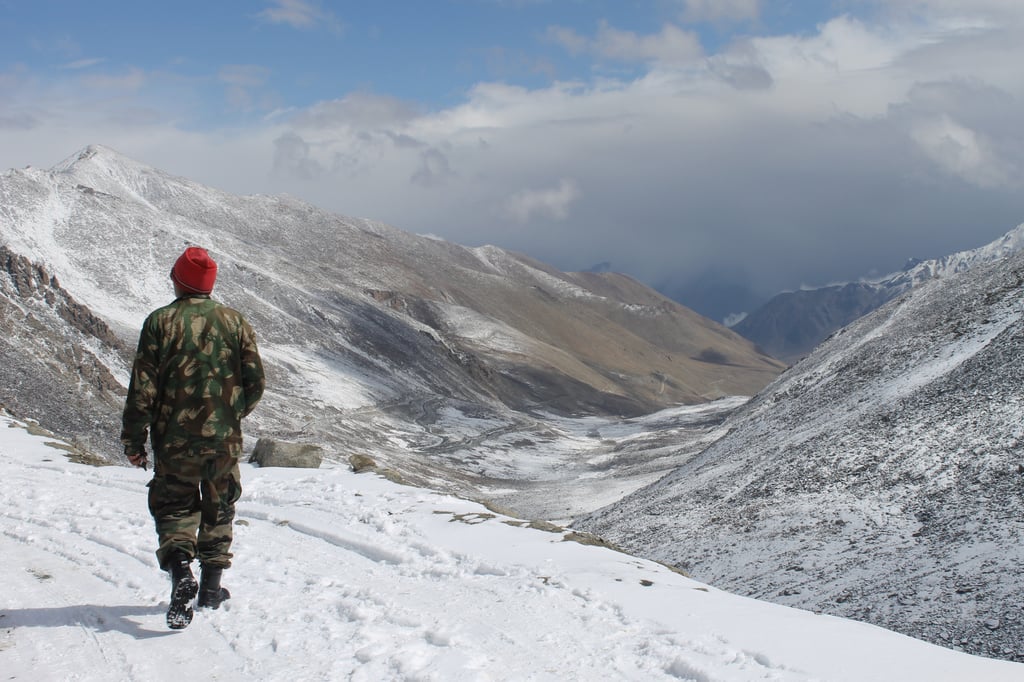
By contrast, conventional deterrence against Pakistan relied far more heavily on air power, precision strikes and stand-off weapons, Iyer noted, pointing to Operation Sindoor last year.
That campaign – an 88-hour military exchange involving cross-border missile and air strikes on militant bases – was launched in response to an April 2025 terrorist attack in Pahalgam, Jammu and Kashmir, that killed 26 civilians, mostly tourists.
“Numbers are essential on the China front and less decisive on the Pakistan front. [But] what India cannot afford on either front is an army with large vacancies in its infantry battalions,” he said.
Iyer pointed out that while short-service models work in theory, four years was fundamentally insufficient to recoup the investment made in combat readiness.
“A soldier takes most of a year to train. By the time he has learnt his trade and earned his section’s trust in the mountains, he has about two years left,” Iyer said. “With a six-year option and a route to regular service for those who qualify, the Agnipath scheme now looks much more like a sustainable model – [even if] it also looks less like [its] original design.”
KioskNews shows a cleaned-up reading view extracted from the publisher’s page — the original always lives on their site, not ours.