Ending the nuclear arms race starts with cities doing their part
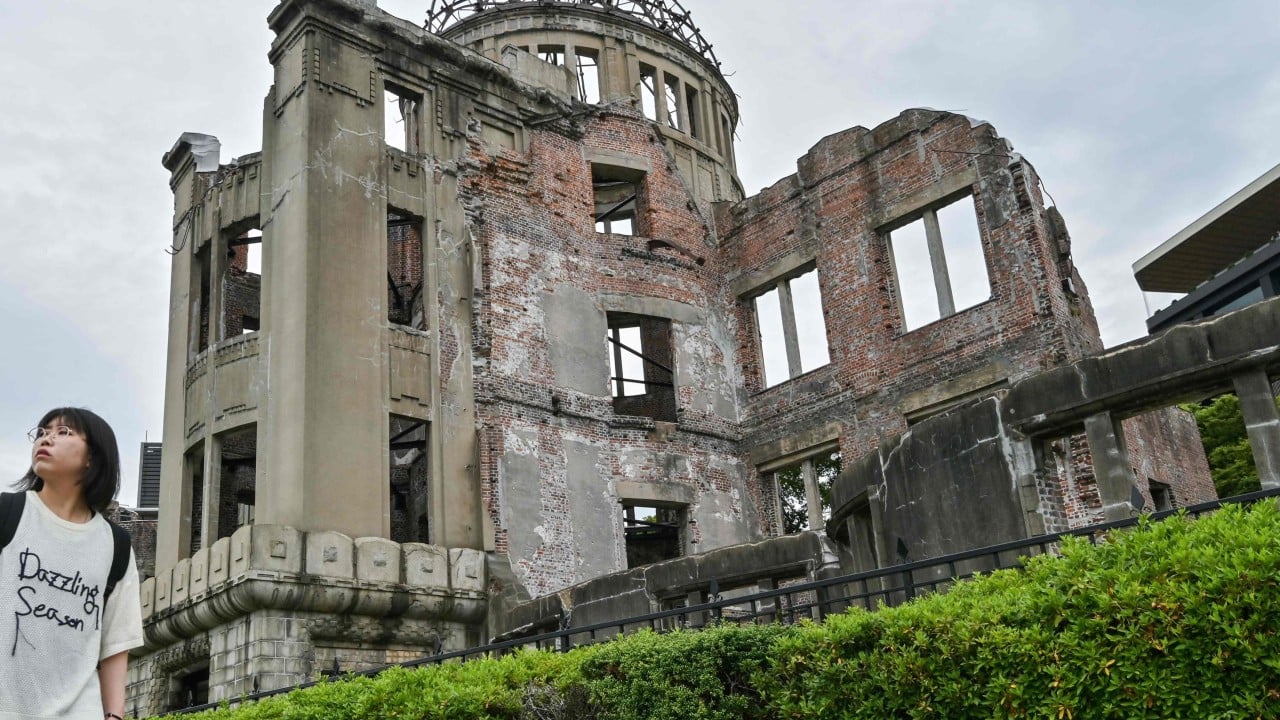
The catastrophic danger posed to cities by nuclear weapons is nothing new. Putting major urban areas at risk across generations is, in fact, the point of these weapons of terror. The practice of doing so is benignly called nuclear deterrence, but it requires holding the cities of adversaries – real and imagined – under constant threat.
The use of even the smallest nuclear weapons in today’s arsenals would cause a humanitarian emergency in cities. That is why city leadership should have a voice in nuclear policymaking.
Attacking cities or other densely populated areas has always been part of warfare. Whether it’s medieval sieges to unseat ruling powers or drone attacks on Kyiv, cities are not safe from war. Efforts to restrict or limit civilian suffering in cities and populated areas have included the endorsement by 91 countries of a political declaration on explosive weapons in populated areas.
Through this, nations are looking for ways to reduce and prevent the known reverberating effects of explosive ordnance contamination in urban areas, effects which are compounded and made long-lasting by the destruction of cultural, educational, commercial, infrastructure and healthcare facilities. Nuclear weapons are highly explosive weapons which also leave a lasting radioactive legacy.
KioskNews shows a cleaned-up reading view extracted from the publisher’s page — the original always lives on their site, not ours.