Why Atal Bihari Vajpayee government dropped a terror law clause
The Prevention of Terrorism Ordinance (POTO) arrived in 2001, as TADA, an earlier law enacted with a similar purpose, lapsed in 1995.
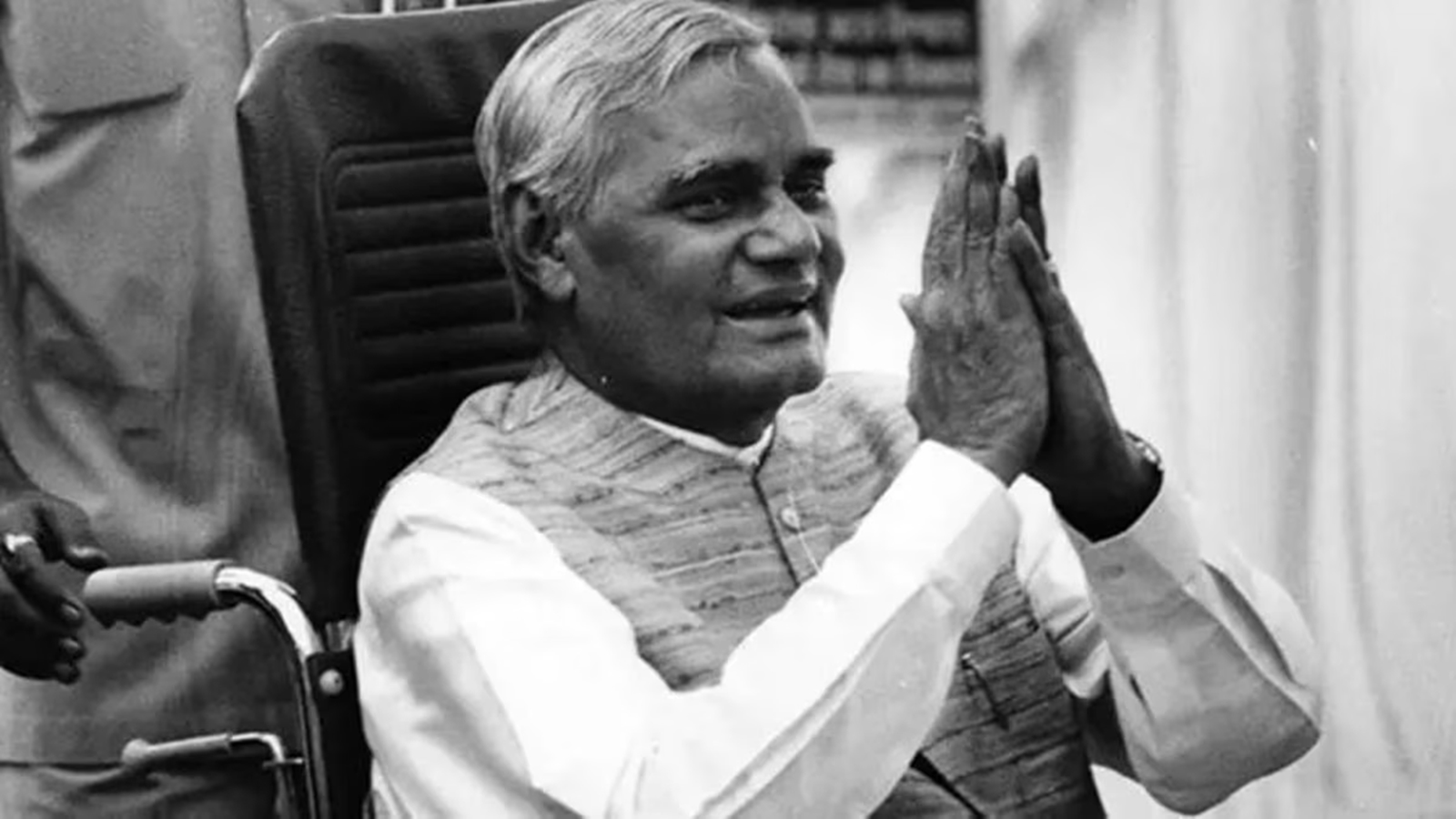
Atal Bihari Vajpayee. (Express Archive)
4 min readNov 8, 2026 07:06 AM IST First published on: Nov 8, 2026 at 07:00 AM IST
The Digital News Publishers Association (DNPA), comprising 21 publishers, including The Indian Express, has approached the Supreme Court and challenged the Digital Personal Data Protection (DPDP) Act, 2023, and the accompanying Rules, 2025, arguing the law could compromise investigative journalism and expose journalists’ confidential sources. This harks back to the Prevention of Terrorism Ordinance (POTO) during Atal Bihari Vajpayee’s NDA government. At the time, media organisations and the Opposition successfully pressed for the removal of one of its controversial provisions. The core issue was the same — a tension between national security/data protection laws and the confidentiality of journalists’ sources.
This time, media companies received assurances from the Centre in an August 2026 meeting that the law would protect press freedom. But the lack of a written carve-out for journalists, as in the European Union, Singapore and Britain, was alarming, the DNPA said in the Supreme Court. A three-judge bench presided over by Chief Justice Surya Kant has issued a notice, seeking a stay on the challenged provisions of the DPDP Act, 2023, and DPDP Rules, 2025. The bench has listed the matter for November 17.
KioskNews shows a cleaned-up reading view extracted from the publisher’s page — the original always lives on their site, not ours.