Reality Is Even Darker Than Jonathan Nolan & J.J. Abrams' 103-Episode Sci-Fi Masterpiece Predicted


Cathal Gunning has been writing about movies, television, culture, and politics online and in print since 2017. He worked as a Senior Editor in Adbusters Media Foundation from 2018-2019 and wrote for WhatCulture in early 2020. He has been a Senior Features Writer for ScreenRant since 2020.
Even though Jonathan Nolan and JJ Abrams’ underrated sci-fi series from the 2010s explored a dystopian vision of a surveillance state, reality ended up outdoing this CBS hit. When Firefly was canceled after only 14 episodes in 2002, there is no way that the show’s creators could have known just how influential the short-lived series would be. Without Firefly, viewers might never have gotten SyFy’s Dark Matter, Killjoys, or Bass X Machina, not to mention the show’s influence on the Guardians of the Galaxy movies.
Similarly, author Phillip K. Dick's contributions to the world of sci-fi literature had an almost immeasurable influence on the genre in the years after their original publication. His short story “We Can Remember It For You Wholesale” was loosely adapted into director Paul Verhoeven’s satirical sci-fi action thriller Total Recall, while his sci-fi noir novel Do Androids Dream of Electric Sheep? spawned the entire Blade Runner franchise.
Dick also wrote the novelette “The Minority Report,” a dark speculative sci-fi story about “Precogs” who use their ability to predict future occurrences to help the police’s Precrime division to preemptively arrest people. This premise brought up many thorny questions of free will, pre-determinism, the right to privacy, state surveillance, and policing, and CBS’s smart, subversive sci-fi series Person of Interest took the premise and ran with it.
Person of Interest’s Sci-Fi Storyline Wasn’t As Dystopian As Modern Policing

Arriving on CBS in 2011, when Fringe’s success and the arrival of 2008’s theatrical spinoff The X-Files: I Want to Believe had reignited interest in sci-fi police procedurals, Person of Interest also benefitted from a killer premise. Person of Interest followed Jim Caviezel’s CIA officer John Reese as he began working with an eccentric inventor and billionaire tech mogul, Harold Finch.
Finch’s invention, simply called “The Machine,” was designed to use an algorithm to predict when terrorist attacks would happen. What made the mogul’s innovation so noteworthy was his claim that “The Machine” could predict terrorist attacks before the offenders themselves had even planned them. Reese is the first CIA operative to use this technology to track down individuals, and Person of Interest doesn’t shy away from the moral and ethical implications of this plan.
In fact, throughout its five-season run, Person of Interest never makes it entirely clear whether “The Machine” is a good idea at all, and modern real-life policing has only made the show’s predictions seem tame in comparison. Where The Machine was designed to avoid prejudiced policing, real-life predictive algorithms used by the police rely on racially biased data from existing police reports.
Person of Interest’s Plot Was Shockingly Prescient
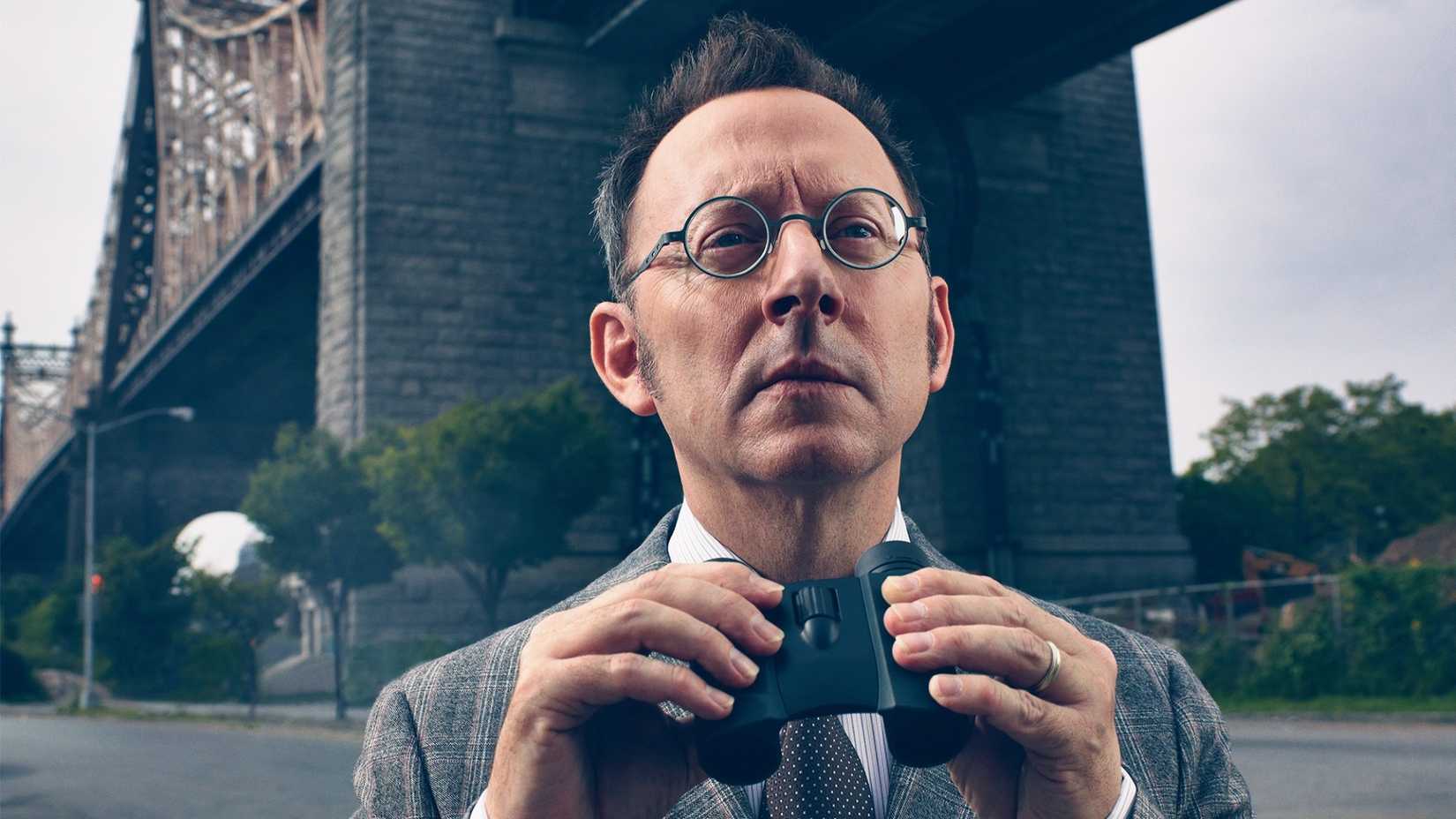
While Person of Interest had a villainous AI that tracked civilians without their consent, real-life private companies have created this infrastructure and currently license these technologies out to law enforcement agencies, from police departments to ICE, to monitor civilians with no criminal record. Where The Machine almost never makes any mistakes, real-life facial recognition software is notorious for often falsely identifying innocent civilians, especially people of color.
Although Prime Video’s superhero satire The Boys became infamous for accidentally predicting real-life events in its comedic storytelling, Person of Interest was alarmingly prescient in the show’s depictions of policing developments that ran roughshod over the rights of civilians. However, where Finch was transparent about how The Machine works, the private companies that run real-life surveillance tech offer no transparency over oversight.
While The Machine was used to save ordinary civilians from terrorism, real-life policing technologies are used for immigration enforcement, avoiding low-level work, and tracking civilians without their consent. Thus, if Person of Interest’s story got anything wrong, it was assuming these technologies would come from caring, troubled geniuses, and not from for-profit private companies who aren’t answerable to anyone.
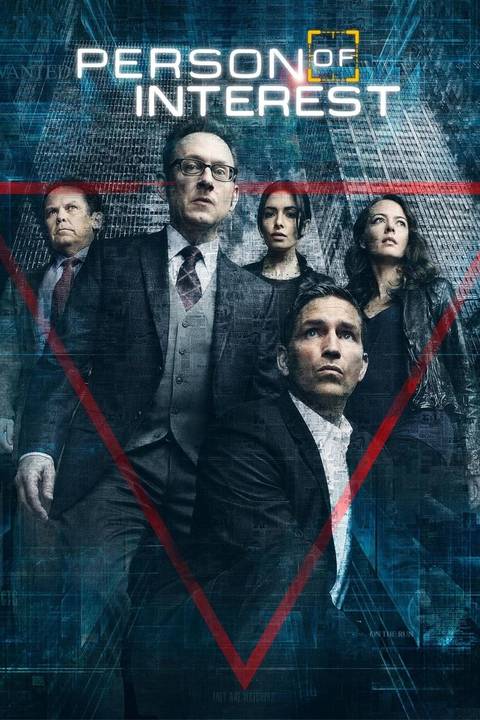
- Release Date
- 2011 - 2016-00-00
- Network
- CBS
- Showrunner
- Greg Plageman
- Directors
- Chris Fisher, Richard J. Lewis, Fred Toye, Jeffrey G. Hunt, Stephen Surjik, Kenneth Fink, Stephen Williams, Helen Shaver, Alrick Riley, Charles Beeson, Kate Woods, Kevin Bray, Stephen Semel, Jeff T. Thomas, Sylvain White, Alex Zakrzewski, Brad Anderson, Clark Johnson, Colin Bucksey, David Semel, Dennis Smith, Félix Enríquez Alcalá, James Whitmore Jr., Jeffrey Lee Gibson
- Writers
- Jonathan Nolan, Denise Thé, Greg Plageman, Amanda Segel, David Slack, Melissa Scrivner-Love, Dan Dietz, Sean Hennen, Lucas O'Connor, Patrick Harbinson, Michael Sopczynski, Nic Van Zeebroeck, Tony Camerino, Andy Callahan, Ray Utarnachitt, Sabir Pirzada, Ashley Gable, Amy Berg, Jacey Heldrich
KioskNews shows a cleaned-up reading view extracted from the publisher’s page — the original always lives on their site, not ours.