Paramount's Ambitious 17-Part Space Opera Deserves A Critical Reevaluation

Memory Ngulube joined Screen Rant in April 2024 as part of the Movies and TV team. Since then, she has written for the Perennials and Streaming team, covering a wide range of topics from new releases to old movies and TV shows. Memory is currently a Classic TV writer.
Before joining Screen Rant, Memory was a freelance copywriter who specialized in email marketing and social media management. While she enjoyed her job, her true passion was always movies and TV.
When she isn’t writing for Screen Rant, Memory can be found reading, baking (which is one of her passions), or watching her favorite K-drama.
Video game adaptations have historically struggled to satisfy audiences, particularly when they attempt to reinterpret beloved franchises with decades of established lore. Despite the expectations these adaptations are burdened with, several recent TV shows, including Arcane, Cyberpunk: Edgerunners, Fallout, and The Last of Us, have risen to the challenge. However, even in this golden era of video game adaptations, not every video game series is guaranteed to succeed or resonate with viewers.
No show proves this better than Paramount's Halo. Based on Microsoft's hugely successful video game franchise, the science fiction series had all the ingredients necessary to become the next great television space opera. With its staggering amount of worldbuilding and intergalactic conflict, Halo could have been one of the best military science fiction shows. Unfortunately, its decision to deviate from the source material proved divisive. Franchise fans understandably took issue with many of the changes.
However, two years after its cancellation, one could argue Halo was judged too harshly. Across its two seasons and 17 episodes, the Paramount series tried, and some believe, failed, to do justice to Master Chief's story. As a standalone original series, removed from comparisons to its source material, it's a pretty great space opera. Unfortunately, the sci-fi series was canceled just as it was finding its footing.
Looking Back At The Halo TV Series, Was It Judged Too Harshly?
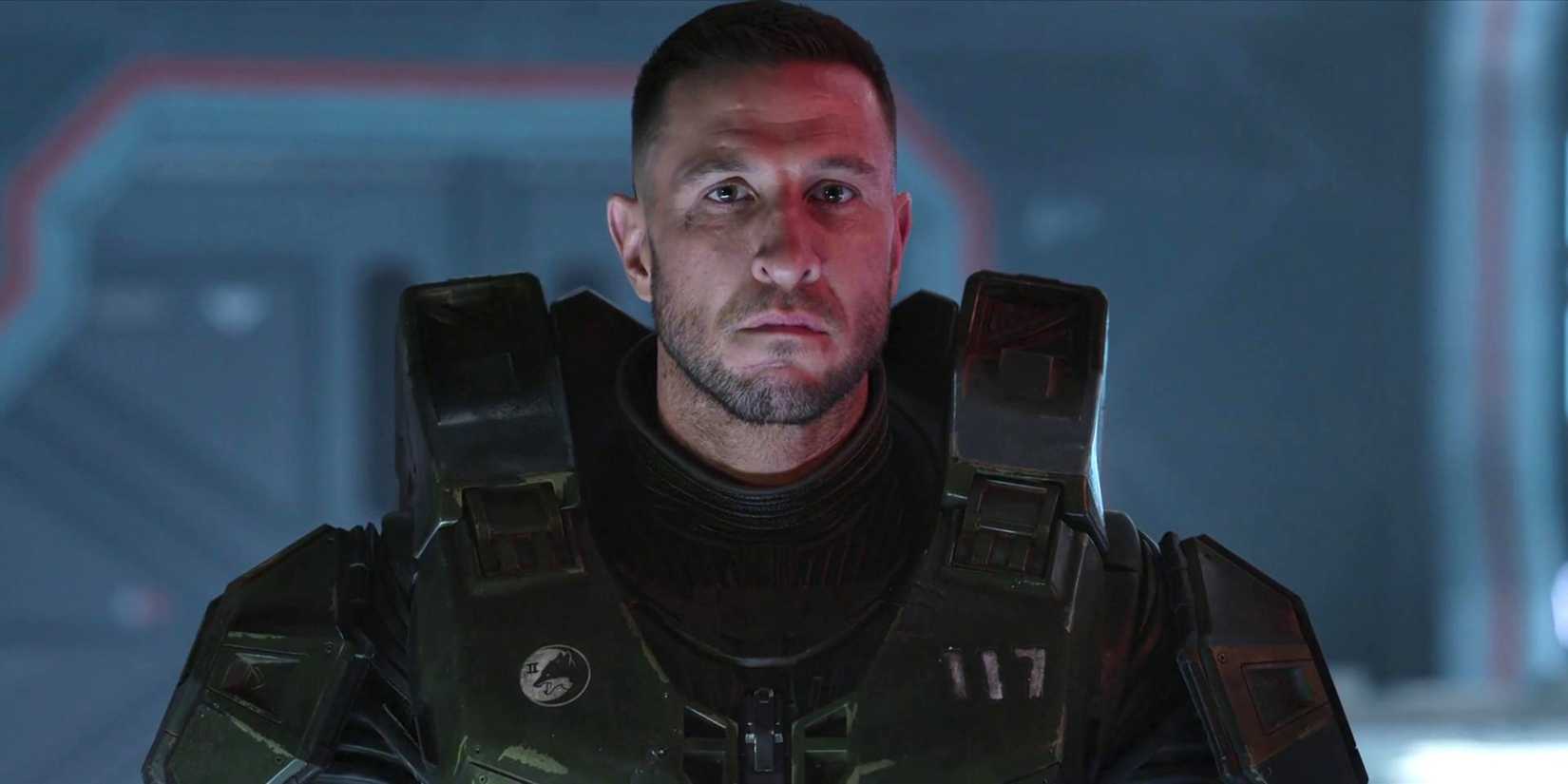
Halo arrived at a time when video game adaptations like Arcane showed audiences and studios there is a right way to bring these beloved stories to life. As such, the space opera had a lot to prove. However, the show's reception was far more complicated than Paramount might have anticipated. While some viewers appreciated some aspects of the series, like its production design and attempts to tell a different kind of Master Chief story, longtime fans were particularly unhappy with the way it deviated from the video games.
Much of the criticism focused on the show's alternative continuity and its portrayal of Master Chief. While the creative changes to the source material were divisive, Halo deserves credit for trying to add new depth to the story rather than recreating familiar video game missions. Viewers got to know Master Chief and his struggles, even if that meant altering his original stoic personality.
Perhaps the strongest argument for reconsidering Halo is that its second season addressed several of the problems that damaged the first. The storytelling became more focused, and the series finally began exploring some of the franchise's most significant events, particularly the devastating fall of Reach. The improvement was reflected in its Rotten Tomatoes scores. The first season received 70% from critics, while the second earned 90%. Audience scores also improved, moving from 52% to 68%.
Paramount's Halo Is A Lesson For One Upcoming Video Game Series
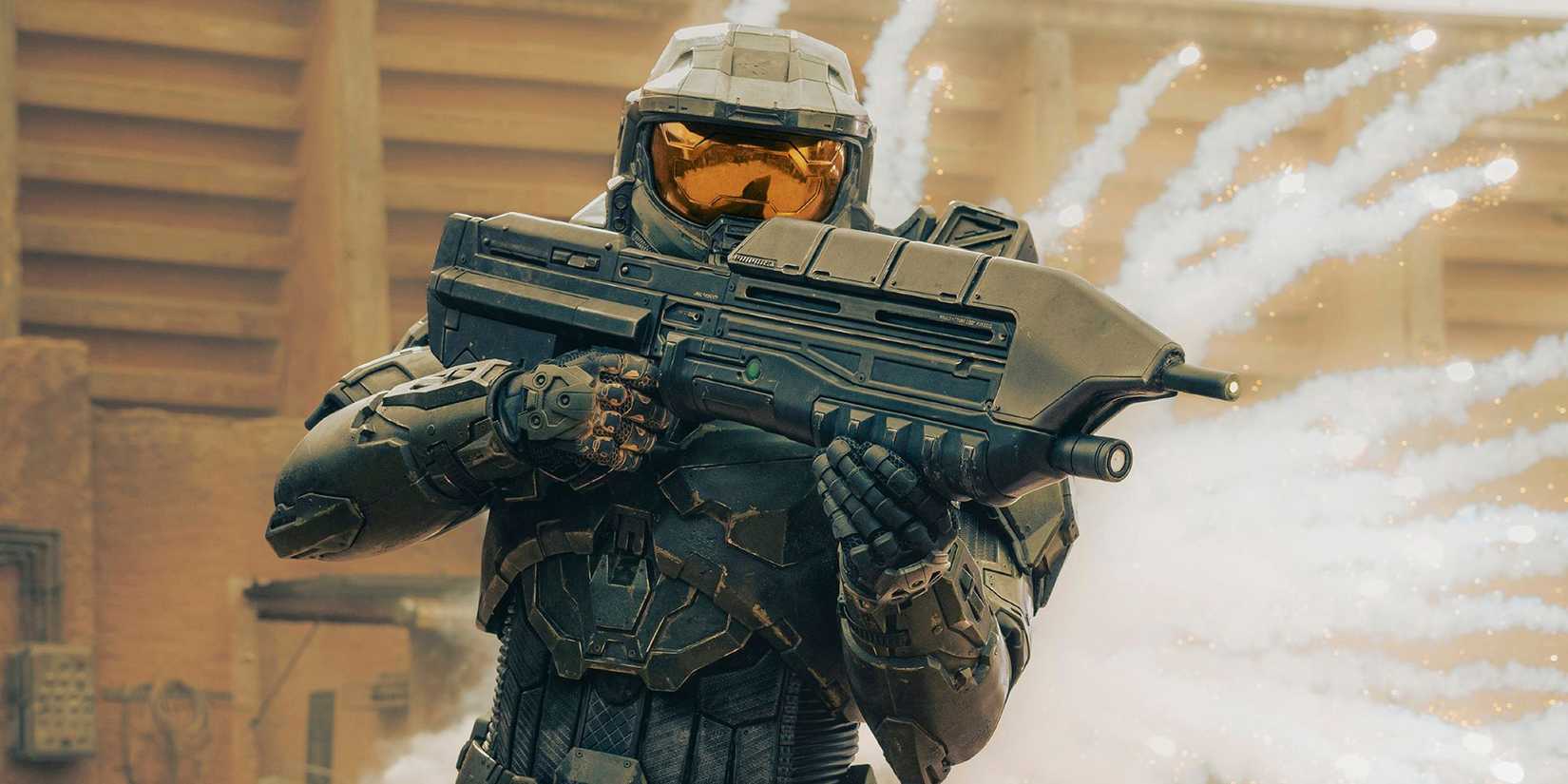
Halo is a perfect example of how difficult it can be to adapt a beloved video game franchise for television. While Halo was flawed in some respects, its mistakes can serve as a lesson for upcoming video game adaptations, particularly Prime Video’s Mass Effect. The Mass Effect franchise began in 2007 and became one of BioWare's most celebrated properties, largely because it combines space-opera storytelling and role-playing mechanics.
Unlike a straightforward adaptation of the original trilogy, the television series will reportedly tell an entirely new story set after those games' events. BioWare's Mass Effect executive producer Michael Gamble confirmed this in November 2025, explaining that the series would occupy an established place in the franchise's timeline without simply retelling Commander Shepard's journey.
Another lesson it should learn from Halo, alongside maintaining important aspects of the video game, is that impressive production values cannot compensate for weak character development. Although Paramount's Halo adaptation featured enough action to keep audiences engaged, its storytelling sometimes struggled to establish the emotional connections that make the franchise compelling. Mass Effect has a strong advantage here because the source material is celebrated not only for its enormous battles against the Reapers but for the relationships Shepard develops with other characters. Halo deserved more, but Mass Effect can be better.
- Release Date
- 2022 - 2024-00-00
- Network
- Paramount+
- Directors
- Jonathan Liebesman, Craig Zisk, Dennie Gordon, Roel Reiné, Debs Paterson
- Writers
- Justine Juel Gillmer
- Franchise(s)
- Halo
-

Pablo Schreiber
Master Chief, Spartan-117 / John-117
-

Natascha McElhone
Dr. Catherine Halsey
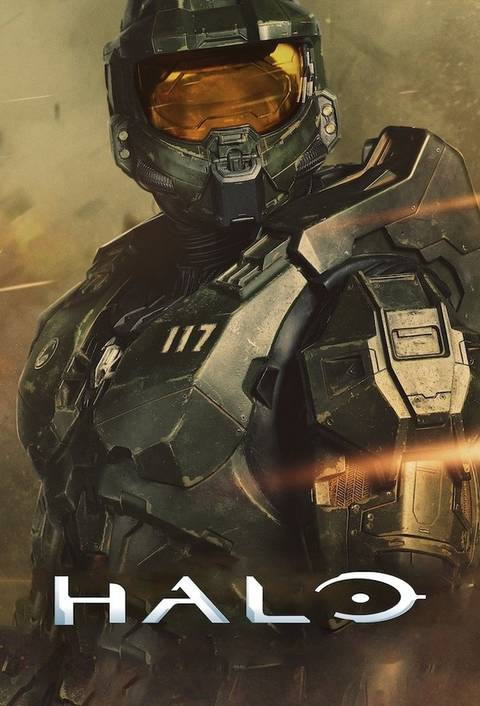
Halo is a science fiction television series set in the 26th century during a war between humanity and the Covenant, an alliance of alien species. The story follows Master Chief, a genetically enhanced supersoldier of the Spartan program, as he confronts military threats, political tensions, and mysterious alien artifacts that could alter the course of the conflict.
KioskNews shows a cleaned-up reading view extracted from the publisher’s page — the original always lives on their site, not ours.