Water shortage grips Northern Samar capital as El Niño begins to be felt
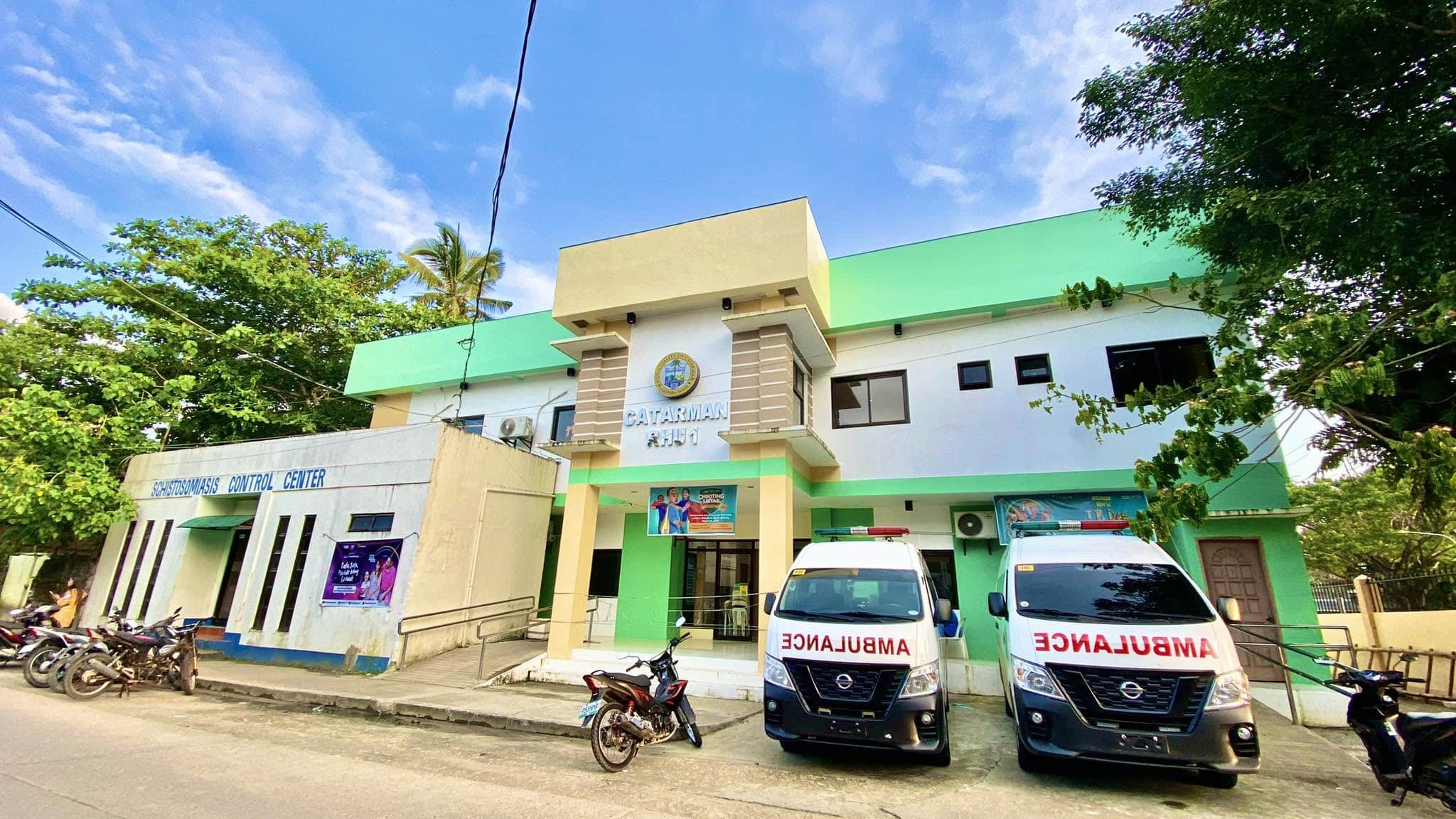
TACLOBAN CITY— Some 31 of the 55 barangays of Catarman in Northern Samar are already experiencing reduced water supply as the dry conditions brought by the El Niño phenomenon begins to prevail.
This situation prompted local authorities to explore additional water sources.
They also urged residents to conserve water.
Article continues after this advertisement
The Catarman Water District has begun rationing water in affected communities since the last month of September.
FEATURED STORIES
NEWSINFO
NEWSINFO
NEWSINFO
It is planning to secure a bulk water supplier to serve as a buffer source as available supplies become scarce.
The water district officials are also expanding water connections in barangays to improve access to potable water.
The 31 affected barangays have a combined population of around 36,500 people.
Catarman, the provincial capital of Northern Samar, has a population of over 97,000.
Article continues after this advertisement
The local office of the state weather bureau earlier warned that temperatures would continue to rise in the coming months, with El Niño expected to reach its peak by December this year.
Dry spell and drought could persist until the middle of 2027, raising concerns about water availability, agricultural production, public health, and fire risks.
Article continues after this advertisement
Residents, barangay officials and schools have been encouraged to prepare water storage containers and practice water conservation so that supplies will last longer.
Aside from the water shortage, the municipality is also facing potential losses in agriculture and livestock production.
The Municipal Veterinary Office reported chicken deaths in Barangay Macagtas, which were linked to excessive heat.
Continued dry weather can damage crops and reduce the availability of feed for livestock, threatening farmers’ livelihoods and local food production.
Meanwhile, the Bureau of Fire Protection in Catarman has reported 33 grassfires since March this year.
Most of the incidents occurred in Barangays Daganas, Dalakit and Libjo.
Authorities have reminded the public against burning grass, leaves and other vegetation to prevent fires from spreading, particularly during prolonged dry spells.
Public health is another concern as rising temperatures and potentially contaminated water sources could increase the risk of skin infections and waterborne diseases, including cholera.
The Municipal Health Office also reported 160 dengue cases in Catarman as of Oct. 3 this year.
Your subscription could not be saved. Please try again.
Your subscription has been successful.
It is holding health education and disease monitoring while preparing additional supplies of aquatabs, which are water-purification tablets intended to help disinfect drinking water. /apl
KioskNews shows a cleaned-up reading view extracted from the publisher’s page — the original always lives on their site, not ours.