Snap and crackle but no pop: Rice Krispies reformulated due to lack of rice
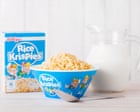
They will snap and they will crackle, but they may no longer pop, as Kellogg’s has removed rice from its Rice Krispies and Coco Pops cereals due to “changing weather conditions”.
Rice Krispies has been reformulated to use rice flour instead of rice, while Coco Pops now contain a blend of rice flour and corn flour instead of rice in order to maintain consistent quality. Kelloggs’ said the shift reflected how the climate crisis had affected the quality and availability of some rice and grains used in its most popular cereals.
A spokesperson for Kellogg’s said: “We have updated the Rice Krispies and Coco Pops recipes, which are now made using corn flour and rice flour. We appreciate that even small changes to a much-loved product can feel noticeable and that’s why we have approached this with a lot of care and consideration.
“The updated recipes have been carefully assessed for taste, appearance and texture, and we are continuing to listen closely to consumer feedback.”
Kellogg’s said both cereals remained “non-HFSS” – or not high in fat, salt or sugar – contained no artificial colours, flavours or sweeteners and maintained the same levels of fibre, vitamin D and iron.
The new recipes will also contain wheat gluten, meaning they are no longer suitable for shoppers with a wheat allergy or coeliac disease.
Previously, Rice Krispies and Coco Pops were labelled “may contain gluten” because they were made in a factory where other cereals containing gluten were also handled. As wheat gluten is now an ingredient, wheat will be declared as an allergen on pack and highlighted in bold in the ingredients list. Both cereals now carry prominent labelling on their packs alerting consumers to the change.
after newsletter promotion
The reformulation comes as sales of Rice Krispies are in decline, with both value and volume down, according to the Grocer magazine’s top products survey 2026, which comes out next month.
KioskNews shows a cleaned-up reading view extracted from the publisher’s page — the original always lives on their site, not ours.