China slams EU’s potential new trade safeguards, says they may violate WTO rules
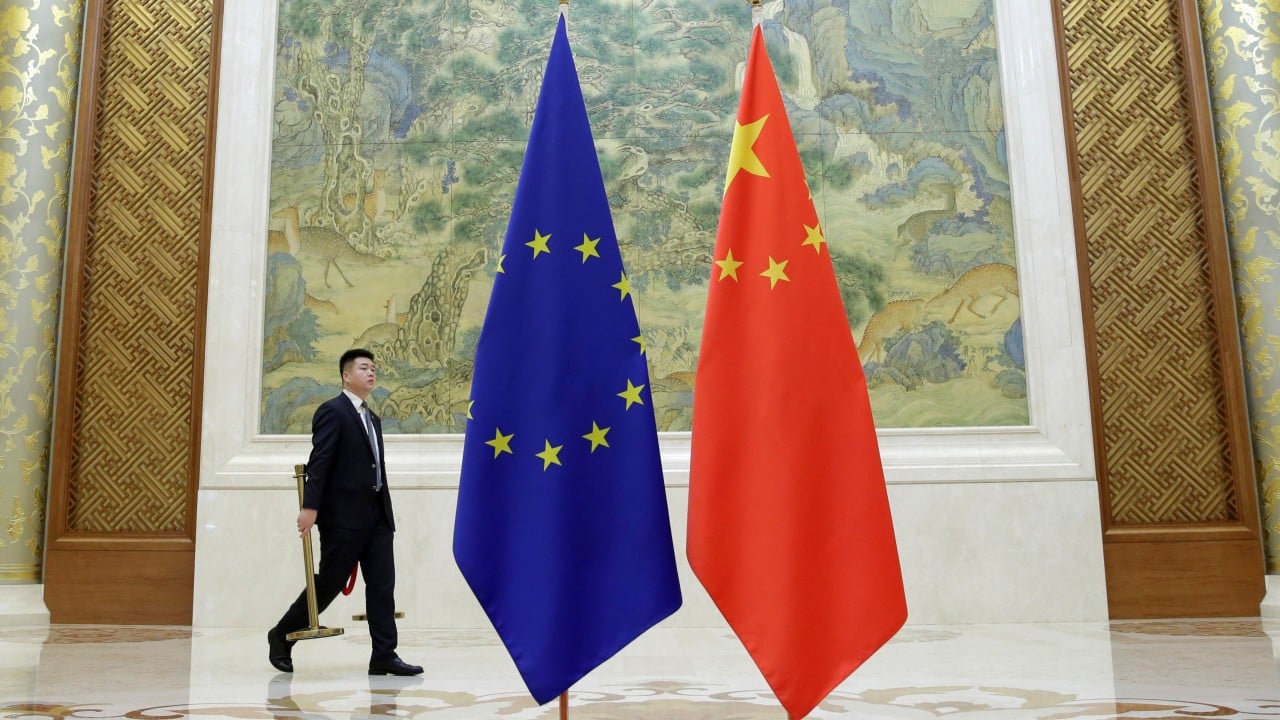
Beijing reiterated its opposition on Thursday to potential new European Union trade safeguards targeting Chinese exports, vowing to take “all necessary measures” to defend the interests of its companies.
“Artificially restricting normal trade is suspected of violating World Trade Organization rules,” said Huang Ling, spokeswoman for China’s Ministry of Commerce, at a weekly press conference.
“Far from improving the competitiveness of EU industry, it will increase the burden on downstream industries, push up inflation in the EU, and undermine the security and stability of global industrial and supply chains.”
Huang was responding to reports that Brussels is considering rolling out broader safeguards – including tariffs and import quotas – to stem a flood of Chinese imports, as the European Union steps up efforts to narrow its widening trade deficit with China.
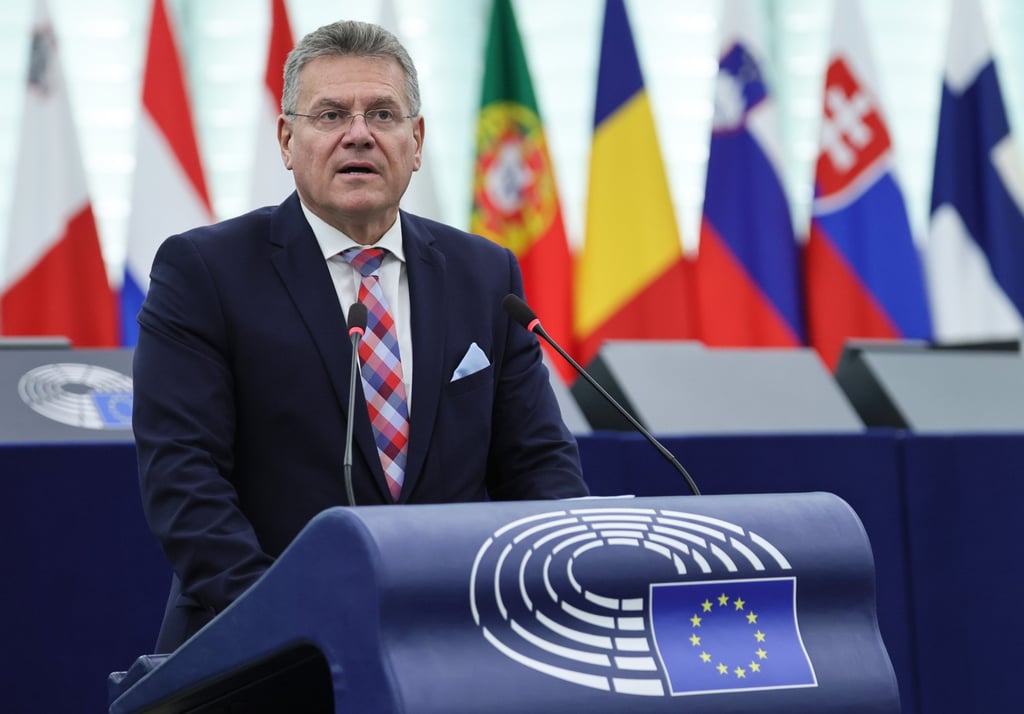
Following a trade ministers’ meeting in Dublin last Friday, EU trade chief Maros Sefcovic said the 27-member bloc would consider using such safeguards when it needed to move fast to protect its industries, instead of engaging in longer negotiations.
Brussels appears to have been emboldened by the progress made during the last round of China-EU trade talks in Beijing earlier this month, when the two sides agreed to cap imports of hybrid vehicles to the EU.
French trade minister Nicolas Forissier said last Friday that he was confident Paris and Berlin’s joint push for a tougher EU stance on China had pressured Beijing to make concessions during the talks. China had previously rejected such a narrative.
The European Commission has also confirmed plans to propose three new trade instruments by Christmas, including a “kill switch” allowing Brussels to rapidly cut off Chinese firms’ access to the EU market.
Huang stressed that China wanted to promote the “upwards balance” of China-EU trade – a term Beijing has used to refer to the negotiated cap on hybrid vehicle imports, which stresses gradual growth in trade. The cap will increase by 6 per cent annually for the next four years.
The latest round of EU-China trade talks showed the two sides could deal with economic and trade differences through dialogue, Huang said, as she reiterated Beijing’s position that China was not the source of the problems facing the EU.
Talks between the two sides are continuing alongside the public sparring. The South China Morning Post reported on Wednesday that top EU economic officials led by director general Maarten Verwey will head to Beijing for a “macroeconomic dialogue” with their Chinese counterparts during the week of November 23.
Meanwhile, Brussels is facing pushback from some European companies over the trade instruments it is drawing up, which would force businesses to diversify their suppliers away from China. Business groups and major firms have warned the measures could drive up their costs and force them into impossible choices.
KioskNews shows a cleaned-up reading view extracted from the publisher’s page — the original always lives on their site, not ours.